
Cosigning a Car Loan While on SR-22: Rate and Liability Impact
Compare Rates After SR-22Does Your SR-22 Filing Appear on Credit or Lending Background Checks?
Your SR-22 filing does not appear on credit reports, but lenders pull driving records during auto loan underwriting — and SR-22 appears there as an active financial responsibility filing. Most lenders treat SR-22 as a red flag indicating high-risk driver status, which can result in loan denial, higher interest rates, or a requirement that you not be the primary driver. The filing itself signals to the lender that you've had a DUI, multiple violations, or a license suspension within the past three years.
Some lenders explicitly exclude SR-22 filers from cosigning eligibility in their underwriting guidelines. Others approve the loan but require the vehicle to be titled solely in the primary borrower's name with the cosigner excluded from the registration. This creates a mismatch: you're financially liable for the loan, but you cannot legally be listed as a driver or owner on the vehicle in most cases.
If you cosign and the lender does not explicitly exclude you from the vehicle's insurance policy, the primary borrower's carrier will require you to be added as a listed driver during the policy binding process. That addition triggers an immediate rate increase for the primary borrower based on your SR-22 profile, even if you never intend to drive the car.
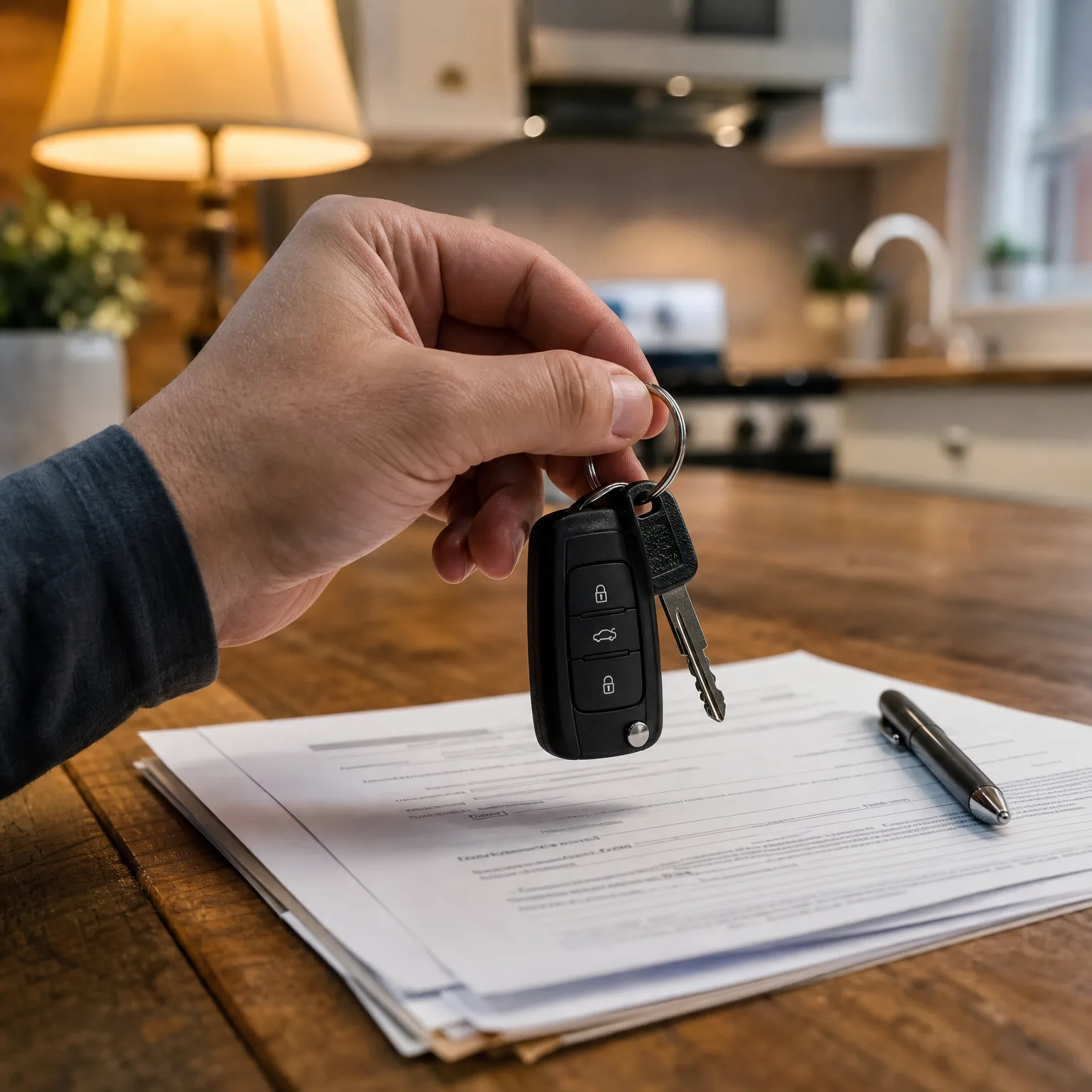
What Happens to the Primary Borrower's Insurance Rate When You Cosign?
The primary borrower's insurance premium increases 40–80% on average when a cosigner with an active SR-22 requirement is added to the policy as a listed driver. Carriers treat listed drivers as regular users of the vehicle regardless of actual driving frequency, and SR-22 status places you in the highest-risk tier. A driver paying $110/mo for full coverage might see their rate jump to $155–200/mo once you're added.
This rate increase persists for the full SR-22 filing period — typically three years in most states — and does not decrease until your filing requirement ends and the violation ages off your motor vehicle record. The primary borrower cannot remove you from the policy without violating the lender's insurance requirements, which mandate that all titled owners and household members with access to the vehicle be listed as drivers.
Some primary borrowers attempt to exclude the cosigner from the policy using a named driver exclusion, but most lenders reject loans where the cosigner is excluded from coverage. The lender views the exclusion as reducing the pool of insured drivers, which increases the lender's collateral risk if the cosigner drives the vehicle and causes an uninsured accident.


Are You Personally Liable for Accidents in a Vehicle You Cosigned?
You are not automatically liable for accidents caused by the primary borrower simply because you cosigned the loan. Liability follows the driver, not the cosigner. If the primary borrower causes an at-fault accident, their liability coverage responds first, and you face no direct legal exposure unless you were driving at the time of the accident or you are listed as an owner on the vehicle's title in a state that imposes owner liability.
However, if you are added to the vehicle's insurance policy as a listed driver and you cause an accident while driving that vehicle, the claim is filed against the primary borrower's policy — and the rate increase from that claim affects both you and the primary borrower at renewal. The primary borrower's premium can increase 25–50% after a single at-fault claim, and that increase compounds with the existing SR-22 surcharge already in place.
In states with owner liability statutes, cosigners who are also listed as titled owners can be named in lawsuits following accidents caused by the primary borrower, even if the cosigner was not present. Owner liability applies in states including California, Florida, and New York. If you cosign and are added to the title, consult the lender about structuring the title to exclude you as an owner while maintaining your cosigner obligation on the loan.

Shop Again Now That Your Filing Has Ended
Compare Rates After SR-22Can You Cosign Without Being Added to the Vehicle's Insurance Policy?
Most lenders require all cosigners to be listed on the vehicle's insurance policy as a condition of loan approval. The lender's collateral protection clause mandates that anyone with a financial interest in the vehicle — including cosigners — be covered under the policy in case they drive the vehicle and cause a loss. If you refuse to be added to the policy, the lender will typically deny the loan or require the primary borrower to find a different cosigner.
Some credit unions and smaller regional lenders allow cosigners to remain off the insurance policy if the cosigner signs an affidavit stating they will not drive the vehicle and do not live in the same household as the primary borrower. This option is rare and typically requires the primary borrower to have strong credit and income sufficient to qualify for the loan independently.
If the lender permits you to remain off the policy, the primary borrower's rate is unaffected by your SR-22 status. However, if you later drive the vehicle and cause an accident, the carrier may deny the claim on the grounds that you were an undisclosed household member or regular user of the vehicle. The denial leaves both you and the primary borrower personally liable for all damages, and the lender may accelerate the loan and demand full repayment.
Which Lenders Are Most Likely to Approve SR-22 Cosigners?
Credit unions and community banks are more likely to approve cosigners with active SR-22 filings than national auto lenders or captive finance arms of car manufacturers. Credit unions typically evaluate the full financial profile of both the borrower and cosigner rather than applying automated underwriting rules that flag SR-22 as an automatic denial.
Subprime auto lenders such as Credit Acceptance, Exeter Finance, and Westlake Financial specialize in high-risk borrowers and are more willing to accept cosigners with SR-22 requirements. However, these lenders charge interest rates 8–15 percentage points higher than prime lenders, and they often require larger down payments — typically 15–20% of the vehicle's purchase price.
Some lenders will approve the cosigner but require the primary borrower to purchase a higher liability limit than the state minimum. For example, a lender may require 100/300/100 liability coverage rather than the state's 25/50/25 minimum to offset the increased risk of insuring a driver with an SR-22 filing. This requirement further increases the primary borrower's premium.

What Are the Alternatives to Cosigning While SR-22 Is Active?
The primary borrower can apply for the loan independently without a cosigner if their credit score is above 620 and their debt-to-income ratio is below 45%. Many borrowers assume they need a cosigner when they actually qualify on their own, particularly if they have stable employment and limited existing debt.
If the borrower does not qualify independently, they can improve their approval odds by increasing their down payment to 20% or higher, which reduces the lender's loan-to-value ratio and compensates for the lack of a cosigner. A larger down payment also reduces the monthly payment, which improves the borrower's debt-to-income ratio during underwriting.
Another option is to delay the vehicle purchase until your SR-22 filing period ends. Most SR-22 requirements last three years, and once the filing is released, your driving record begins to age out of the highest-risk tier. Waiting 12–18 months can move you from a subprime to a near-prime rate tier, which reduces the interest rate by 4–6 percentage points and saves thousands over the life of the loan.
Frequently Asked Questions
Will cosigning a car loan affect my SR-22 insurance rate?
Cosigning does not directly affect your SR-22 rate, but if the lender requires you to be added to the vehicle's insurance policy, you will be listed as a driver on that policy in addition to maintaining your own SR-22 policy. The vehicle's policy premium increases 40–80% because of your SR-22 status, and that cost is borne by the primary borrower.
Can I cosign a car loan if I don't have a valid driver's license?
Most lenders require cosigners to hold a valid driver's license as a condition of approval, even if the cosigner does not intend to drive the vehicle. If your license is currently suspended and you are in the SR-22 filing process to regain it, most lenders will deny the cosigner application until your license is fully reinstated.
Does the primary borrower need to know I have an SR-22 requirement?
Yes. The lender will disclose your SR-22 status to the primary borrower during underwriting, and the primary borrower's insurance carrier will see your driving record when you are added to the policy. Attempting to hide your SR-22 status will result in loan denial or policy cancellation once the carrier pulls your motor vehicle record.
How long does my SR-22 status affect the primary borrower's insurance rate?
The rate increase lasts for your full SR-22 filing period — typically three years in most states. Once your filing requirement ends and the underlying violation ages beyond three years on your driving record, the rate impact decreases. The primary borrower can request to have you removed from the policy at that point if you are no longer driving the vehicle.
Related Articles

Will SR-22 Disqualify Me from a Car Loan? Lender Rules
5/18/2026

Will SR-22 Disqualify Me From a Home Loan? What Lenders See
5/18/2026

SR-22 and Car Buying: What Dealers See on Your Credit Pull
5/18/2026

SR-22 for Financed Vehicles: Lender Notification Rules
5/18/2026

SR-22 After Foreclosure: How Credit Affects Your Rate
5/18/2026

Does SR-22 Raise Rates for Other Drivers on Policy?
5/18/2026