Does SR-22 Cover Other Drivers Borrowing Your Car?
Compare Rates After SR-22How SR-22 Affects Permissive Use Coverage
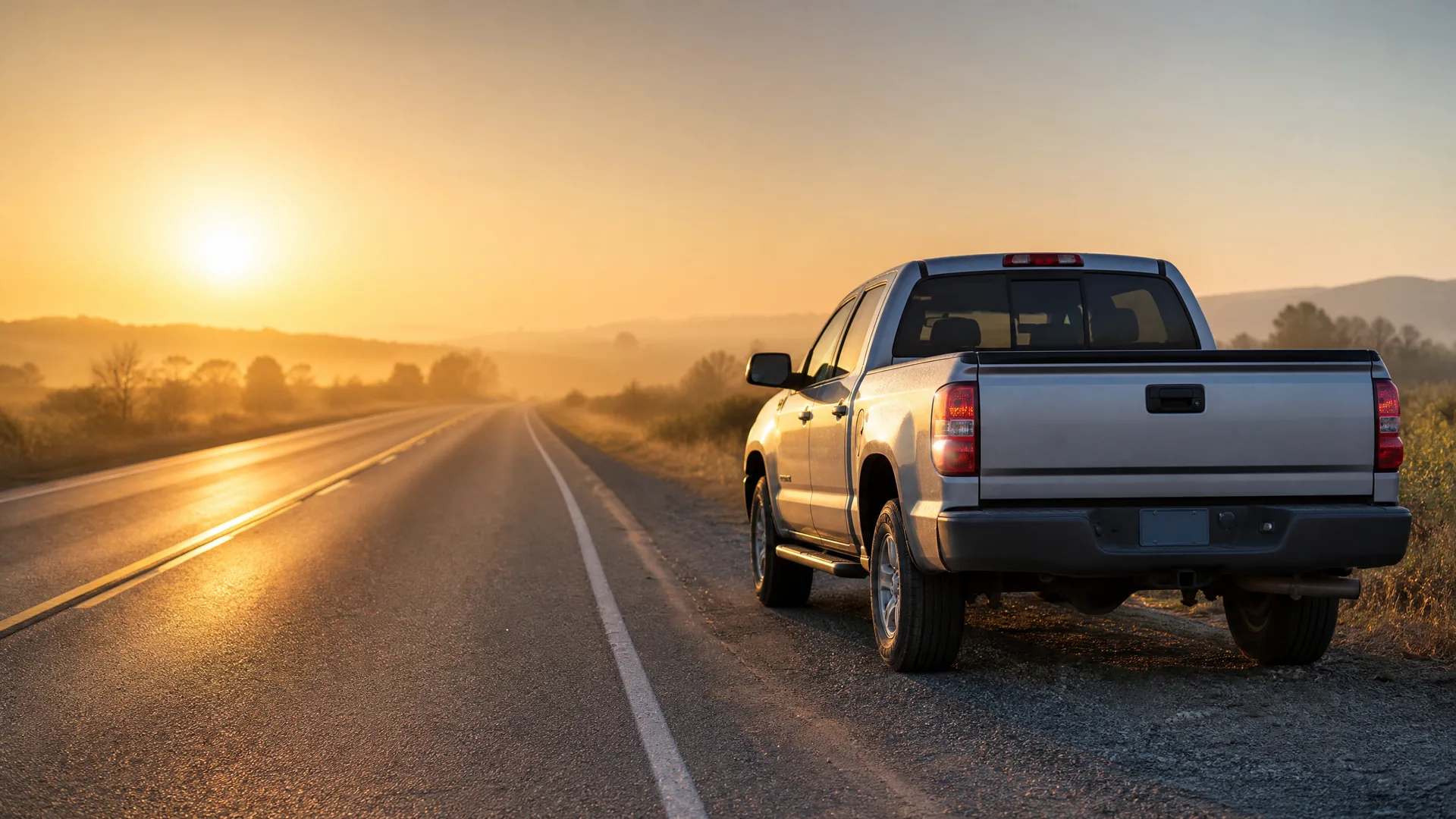
SR-22 is a certificate of financial responsibility, not a type of insurance coverage. The underlying policy — typically liability, collision, and comprehensive — determines whether other drivers are covered when they borrow your car. Standard auto policies generally follow the car, meaning your liability coverage extends to permissive users. But carriers writing post-SR22 drivers often modify permissive-use terms to limit their exposure.
Many non-standard and high-risk carriers exclude occasional drivers entirely unless they're listed on your policy. Others apply strict household exclusions, meaning anyone living with you must be listed or explicitly excluded in writing. If you lend your car to a friend and they cause an accident, your carrier may deny the claim if the driver wasn't disclosed during underwriting. You won't know this happened until the adjuster reviews your policy terms after the loss.
If you completed your SR-22 requirement and switched back to a standard carrier, your permissive-use terms likely returned to normal. But if you're still with the carrier that wrote your SR-22 policy — or if you're within the first year after your filing ended — check your declarations page for exclusions. Most post-SR22 drivers assume their coverage works the same as it did before their violation. It doesn't.
What Happens When an Unlisted Driver Has an Accident
If someone borrows your car and causes an at-fault accident, your liability coverage responds first — assuming your policy allows permissive use and the driver wasn't excluded. Your carrier pays the injured party's medical bills and property damage up to your liability limits. Then your rates increase at renewal, because the claim appears on your loss history even though you weren't driving.
If the driver was excluded or your policy prohibits permissive use, your carrier denies the claim. The injured party can sue you directly, because as the vehicle owner you're legally responsible for damages in most states. The driver's own insurance may provide secondary coverage, but only if they carry liability — and only up to their limits, which may be lower than the actual damages. You're left covering the gap.
Carriers that specialize in high-risk drivers apply permissive-use restrictions more strictly than standard carriers because their policyholders statistically lend vehicles more often and to drivers with their own violations. If you let someone borrow your car regularly — more than twice a month — most non-standard carriers require them to be listed as a driver or rated into your premium. This isn't disclosed clearly at purchase. It's buried in the policy contract.

When You Must List Additional Drivers After SR-22
Household members with access to your vehicle must be listed on your policy or formally excluded in writing. This rule applies to all auto policies, but high-risk carriers enforce it more aggressively. If your spouse, adult child, or roommate drives your car even occasionally and isn't listed, your carrier can deny coverage after an accident and potentially cancel your policy for misrepresentation.
Non-household occasional drivers — friends, coworkers, family members who don't live with you — generally don't need to be listed if they borrow your car infrequently. But the definition of "infrequent" varies by carrier. Some allow permissive use for drivers who borrow your car fewer than 12 times per year. Others set the threshold at twice per month. A few non-standard carriers prohibit permissive use entirely unless the driver is listed.
If you're still with a high-risk or non-standard carrier and someone regularly borrows your car, call your agent and ask whether that driver must be added to your policy. Listing them will increase your premium, especially if they have their own violations. But it's cheaper than paying out of pocket for an accident your carrier denies. If you've switched to a standard carrier since your SR-22 ended, permissive-use terms are typically broader — but confirm before assuming.
Shop Again Now That Your Filing Has Ended
Compare Rates After SR-22Rate Impact When You Add a Driver Post-SR22
Adding a driver to your post-SR22 policy increases your premium based on their driving record, age, and how often they use the vehicle. A clean-record driver in their 30s or 40s who borrows your car occasionally adds approximately $15–$40 per month to your premium with most non-standard carriers. A driver with their own violation — DUI, at-fault accident, suspended license — can increase your premium by $80–$200 per month, depending on the severity and how recent the violation is.
If the additional driver is a young or high-risk driver and you're already paying post-SR22 rates, the combined premium may exceed $300–$400 per month. At that rate range, some drivers choose to exclude the high-risk driver in writing and prohibit them from using the vehicle entirely. Exclusions lower your premium but create legal exposure — if the excluded driver uses your car anyway and causes an accident, you're personally liable for all damages.
Carriers price additional drivers more aggressively on high-risk policies because loss frequency is higher. If you're within 12 months of completing your SR-22 requirement and your rates haven't dropped significantly, shop your policy before adding another driver. Standard carriers price additional drivers at lower increments than non-standard carriers, and the savings from switching may offset the cost of listing the new driver entirely.

How to Verify Your Permissive Use Terms
Call your carrier or agent and ask two specific questions: does my policy cover permissive use for non-household drivers, and are there frequency limits on how often someone can borrow my car before they must be listed? Request the answer in writing via email or documented in your policy notes. If your carrier says permissive use is allowed but won't confirm it in writing, that's a signal the terms are ambiguous and may not hold after a claim.
Review your declarations page and policy contract for exclusions. Look for language like "permissive use excluded," "occasional driver restrictions," or "household members must be listed." If you see any of those phrases and someone borrows your car regularly, they need to be added to your policy or you need to stop lending the vehicle. Most post-SR22 drivers never read their policy contract. The coverage gap only surfaces after a denial.
If you're shopping for a new policy after your SR-22 ended, ask about permissive-use terms before you bind coverage. Standard carriers like State Farm, Allstate, and Nationwide typically allow broader permissive use than non-standard carriers. If you lend your car frequently or live with other drivers who aren't listed, switching to a standard carrier may provide better coverage even if the rate is slightly higher.
Frequently Asked Questions
Does my car insurance cover someone else driving my car after SR-22?
It depends on your carrier's permissive-use terms. Standard policies typically cover occasional drivers who borrow your car with permission, but many high-risk and non-standard carriers restrict or exclude permissive use entirely. If you're still with the carrier that wrote your SR-22 policy, check your declarations page for exclusions before lending your vehicle.
Will my rate go up if someone else crashes my car?
Yes. If your policy covers the driver and they cause an at-fault accident, the claim appears on your loss history and your premium increases at renewal. Rate increases after a permissive-use claim typically range from 20% to 40%, depending on the severity of the accident and your carrier's rating structure.
Do I have to add my roommate to my car insurance after SR-22?
If your roommate has access to your vehicle and lives in your household, most carriers require them to be listed on your policy or formally excluded in writing. High-risk and non-standard carriers enforce this rule more strictly than standard carriers. If your roommate drives your car and isn't listed, your carrier can deny coverage after an accident.
Can I exclude a high-risk driver from my policy to lower my rate?
Yes. Most carriers allow you to exclude household members in writing, which prevents them from being rated into your premium. But if an excluded driver uses your car and causes an accident, your insurance won't cover the damages and you're personally liable. Exclusions only make sense if the excluded driver has their own vehicle and insurance and will never use yours.
Related Articles

SR-22 on Named-Driver-Excluded Policy: What Works
5/18/2026
Selling Your Car Mid-SR-22? How to Avoid a Lapse
5/18/2026

Do I Need SR-22 If I Only Drive Company Vehicles at Work?
5/18/2026

SR-22 & Social Security Disability: Coverage Guide
5/18/2026
SR-22 Without a License: Who Qualifies
6/8/2026
SR-22 When Your Only Vehicle Is Totaled: What Happens Next
5/18/2026