
Fastest Way to Pull Post-SR-22 Insurance Quotes in Florida
Compare Rates After SR-22Your Rate Won't Drop Until You Re-Shop
Your SR-22 filing ended. Your insurer removed the certificate. Your rate stayed exactly the same. This is the default outcome for 60-70% of post-SR22 drivers in Florida — not because the filing is still active, but because carriers don't automatically re-tier you when the filing drops off.
Florida uses a continuous underwriting model. Your premium reflects the tier you were placed in when your policy was issued or last re-underwritten — typically at renewal. If you were placed in a high-risk tier during your SR-22 period, you stay in that tier until you trigger a re-underwriting event. The SR-22 certificate ending is not that event. Shopping for a new quote is.
The rate recovery curve for post-SR22 drivers in Florida follows a predictable pattern. Immediately after filing completion, drivers who re-shop see an average 30-40% rate drop compared to their SR-22-period premium. At 12 months post-filing, the drop widens to 50-60% if you switch carriers. At 24 months, you're back to near-standard rates — but only if you've been comparison-shopping annually. Drivers who stay with their SR-22-period carrier for 24+ months after filing ends overpay an average of $1,200-$1,800 total compared to drivers who shopped within the first 30 days.

Which Florida Carriers Write Post-SR22 Drivers at the Lowest Tier
The carrier that gave you the best rate during your SR-22 period is not the carrier that will give you the best rate now. Florida's non-standard and standard carriers tier post-SR22 drivers using different lookback windows and violation weighting models. Some carriers tier you as high-risk until 36 months post-filing. Others tier you as standard-plus at 12 months. The difference is $80-$140/month.
Progressive and GEICO tier post-SR22 drivers aggressively at 12 months if no additional violations occurred during the filing period. Both use a 36-month rolling lookback for major violations, but SR-22 completion without incident signals risk normalization faster than raw time passage. If your SR-22 was tied to a DUI, you'll see the steepest drop at the 24-month mark. If it was tied to a lapse or FRA suspension, you may tier back to standard rates within 12-15 months.
State Farm and Allstate are slower to re-tier. Both treat SR-22 history as a discrete underwriting flag that remains active for 36 months post-filing, regardless of clean driving during that window. You'll see a rate drop when the SR-22 ends, but it's smaller — typically 15-25% — and you won't reach standard rates until the 36-month lookback clears entirely. For most post-SR22 drivers in Florida, State Farm and Allstate are not the lowest-cost option until year four.
Dairyland, The General, and Bristol West write post-SR22 drivers in Florida, but all three tier post-filing drivers as non-standard for a minimum of 24 months. If your SR-22 ended less than two years ago, these carriers are useful fallbacks if standard carriers decline you — but they will not be your cheapest option if Progressive or GEICO will write you.

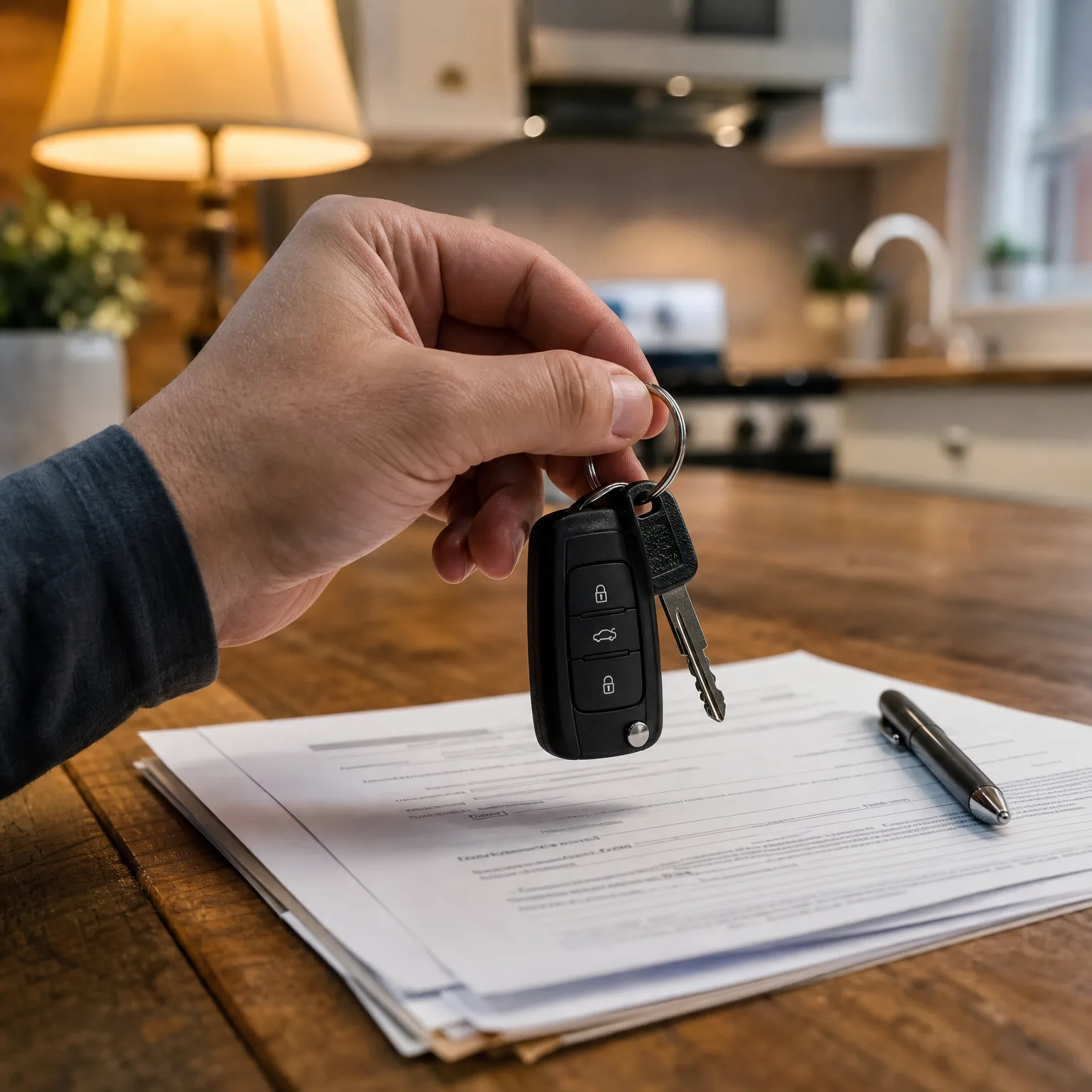
The 10-Minute Quote-Pull Strategy
You need quotes from at least three carriers to find your actual lowest rate. One quote tells you nothing. Two quotes tell you which of those two is cheaper. Three quotes show you the spread — and the spread for post-SR22 drivers in Florida averages $95/month between the highest and lowest.
Start with Progressive and GEICO. Both offer instant online quotes for post-SR22 drivers in Florida, and both tier post-filing drivers more favorably than most competitors at the 12-24 month mark. You'll need your driver's license number, current policy declaration page, and your SR-22 filing end date. If you don't have the exact end date, use the date three years after your violation — Florida requires SR-22 for three years from the conviction or suspension date, not the filing date.
Next, pull a quote from Nationwide or Farmers. Both write post-SR22 drivers in Florida, and both offer lower rates than Progressive or GEICO for drivers 30+ months post-filing with no additional violations. Nationwide's quote engine asks for your SR-22 history directly — answer accurately. If you lie about the filing or omit it, the quote you receive is void, and you'll be re-rated at bind time.
If all three decline you or return rates above $200/month for state minimum liability, pull a quote from Dairyland or use a high-risk aggregator. This means you're still being tiered as high-risk, likely because your SR-22 ended less than 12 months ago or you had an additional violation during the filing period. You'll need to re-shop again at the 12-month and 24-month marks.

Shop Again Now That Your Filing Has Ended
Compare Rates After SR-22What Post-SR22 Drivers Actually Pay in Florida
Post-SR22 rates in Florida vary by violation type, time since filing ended, and county. A driver in Miami-Dade County with a DUI-related SR-22 that ended 12 months ago pays an average of $145-$210/month for state minimum liability coverage. The same driver in Polk County pays $105-$150/month. The difference is claims frequency, theft rate, and PIP fraud exposure — all of which Florida carriers tier by ZIP code.
If your SR-22 was tied to a lapse or license suspension unrelated to DUI, your post-filing rate is lower. Drivers 12 months post-filing with lapse-based SR-22 history pay an average of $95-$140/month for state minimum liability in most Florida counties. At 24 months, that drops to $75-$110/month. At 36 months, you're back to standard rates — typically $60-$85/month for minimum liability.
Full coverage adds $80-$140/month on top of liability. If your vehicle is financed or leased, you're required to carry comprehensive and collision. Post-SR22 drivers in Florida pay an average of $1,800-$2,600/year for full coverage at the 12-month post-filing mark, compared to $2,800-$4,200/year during the active SR-22 period. The spread narrows as time passes, but only if you re-shop annually.

The 30-Day Window After Your SR-22 Ends
The first 30 days after your SR-22 filing ends is the most important re-shopping window. Carriers tier you based on your risk profile at the time you request a quote. If you pull quotes 60 or 90 days after your filing ends, you've already paid 2-3 months of inflated premiums you didn't need to pay.
Florida does not require you to notify your insurer when your SR-22 filing ends — the DMV notifies the carrier directly via the SR-22 withdrawal form. Your carrier removes the certificate from your policy, but does not automatically re-tier you to a lower-risk class. You remain in the underwriting tier you were placed in when the SR-22 was filed until your next renewal or until you shop for a new policy.
If you wait until renewal to re-shop, you lose 6-12 months of savings. A driver paying $160/month during their SR-22 period who waits 12 months to re-shop has overpaid $900-$1,400 compared to a driver who shopped within 30 days of filing completion. The savings delta is the angle here: post-SR22 drivers who shop aggressively in the first 30 days lock a 30-40% rate drop immediately. Drivers who wait lose that window and tier down incrementally over 24 months instead of 12.

Mistakes That Reset Your Rate Recovery Timeline
Any new violation during your first 24 months post-SR22 resets your rate recovery curve to zero. A speeding ticket 15 months after your SR-22 ends will re-tier you as high-risk and erase the rate gains you've locked in. Florida carriers treat violations during the post-SR22 window as high-signal risk events — you were already flagged as high-risk, filed SR-22, completed the requirement, and then incurred another moving violation. That pattern triggers immediate re-underwriting.
Letting your policy lapse during the post-SR22 period is worse. Florida treats any lapse longer than 30 days as a high-risk event regardless of your filing history. If you lapse within 24 months of your SR-22 ending, most carriers will re-tier you to non-standard and you'll lose access to standard or preferred rates for another 36 months. The financial cost of a 60-day lapse for a post-SR22 driver in Florida is $1,500-$2,200 in added premiums over the following three years.
Switching carriers mid-policy does not reset your timeline, but it does trigger re-underwriting. If you're 18 months post-SR22 and you switch carriers, the new carrier will re-tier you based on your current risk profile — which includes 18 months of clean post-filing history. This is good. The mistake is assuming your current carrier will re-tier you automatically at renewal. They won't.
Frequently Asked Questions
How much do car insurance rates drop after SR-22 ends in Florida?
Post-SR22 drivers in Florida see an average 30-40% rate drop immediately after filing completion if they re-shop within 30 days. At 12 months post-filing, the drop widens to 50-60% for drivers who switch carriers. At 24 months, most drivers return to near-standard rates — typically $75-$110/month for minimum liability.
Which Florida carriers offer the lowest rates to post-SR22 drivers?
Progressive and GEICO tier post-SR22 drivers most favorably at the 12-24 month post-filing mark, with average rates of $95-$140/month for minimum liability. State Farm and Allstate tier post-SR22 drivers as high-risk for 36 months, making them 20-35% more expensive until year four. Dairyland and The General are fallback options but do not offer competitive rates until 24+ months post-filing.
Do I need to notify my insurance company when my SR-22 ends?
No. Florida's DMV notifies your carrier directly via the SR-22 withdrawal form when your filing period ends. Your carrier removes the certificate from your policy automatically, but does not re-tier you to a lower-risk class. You must request new quotes from other carriers to trigger re-underwriting and lock a lower rate.
How long should I wait after my SR-22 ends to get new quotes?
Shop within 30 days of your SR-22 filing end date. Carriers tier you based on your risk profile at the time you request a quote. Waiting 60-90 days means you've already paid 2-3 months of inflated premiums. Post-SR22 drivers who shop in the first 30 days lock a 30-40% rate drop immediately.
What happens if I get a ticket after my SR-22 ends?
Any new violation within 24 months of your SR-22 ending resets your rate recovery timeline. Florida carriers treat post-SR22 violations as high-signal risk events and will re-tier you to high-risk or non-standard immediately. The financial cost of a speeding ticket 15 months post-SR22 is $1,200-$1,800 in added premiums over the next 36 months.
Related Articles

Cheapest Florida Car Insurance After SR-22 Ends
6/8/2026

Florida Post-SR22 Insurance Costs Per Month
6/8/2026

Post-SR22 Rate Shop: When Insurance Gets Cheaper
5/18/2026
Cheapest Florida Insurance After SR-22 Drops Off
6/8/2026
Fastest Post-SR-22 Quote Pull in Michigan
6/8/2026

Compare 3 SR-22 Quotes in Under an Hour
6/8/2026