
How to Handle SR-22 When You Sell Your Car Mid-Filing
Compare Rates After SR-22Does selling your car cancel your SR-22 requirement?
No. Your SR-22 filing is tied to your driver's license, not the vehicle you own. When you sell your car mid-filing, your state DMV still expects continuous SR-22 coverage for the full duration of your original requirement — typically 3 years from the conviction or suspension date.
The complication is that your auto insurance policy is tied to the vehicle. When you sell the car and cancel the policy, most carriers automatically cancel the SR-22 filing attached to that policy. Your DMV receives a cancellation notice within 10 days, and in most states that triggers an immediate license suspension and resets your filing period to zero.
You need a non-owner SR-22 policy in place before you cancel your vehicle policy. Most carriers require the new policy effective date to match or precede the old policy cancellation date — gaps of even one day count as a lapse.
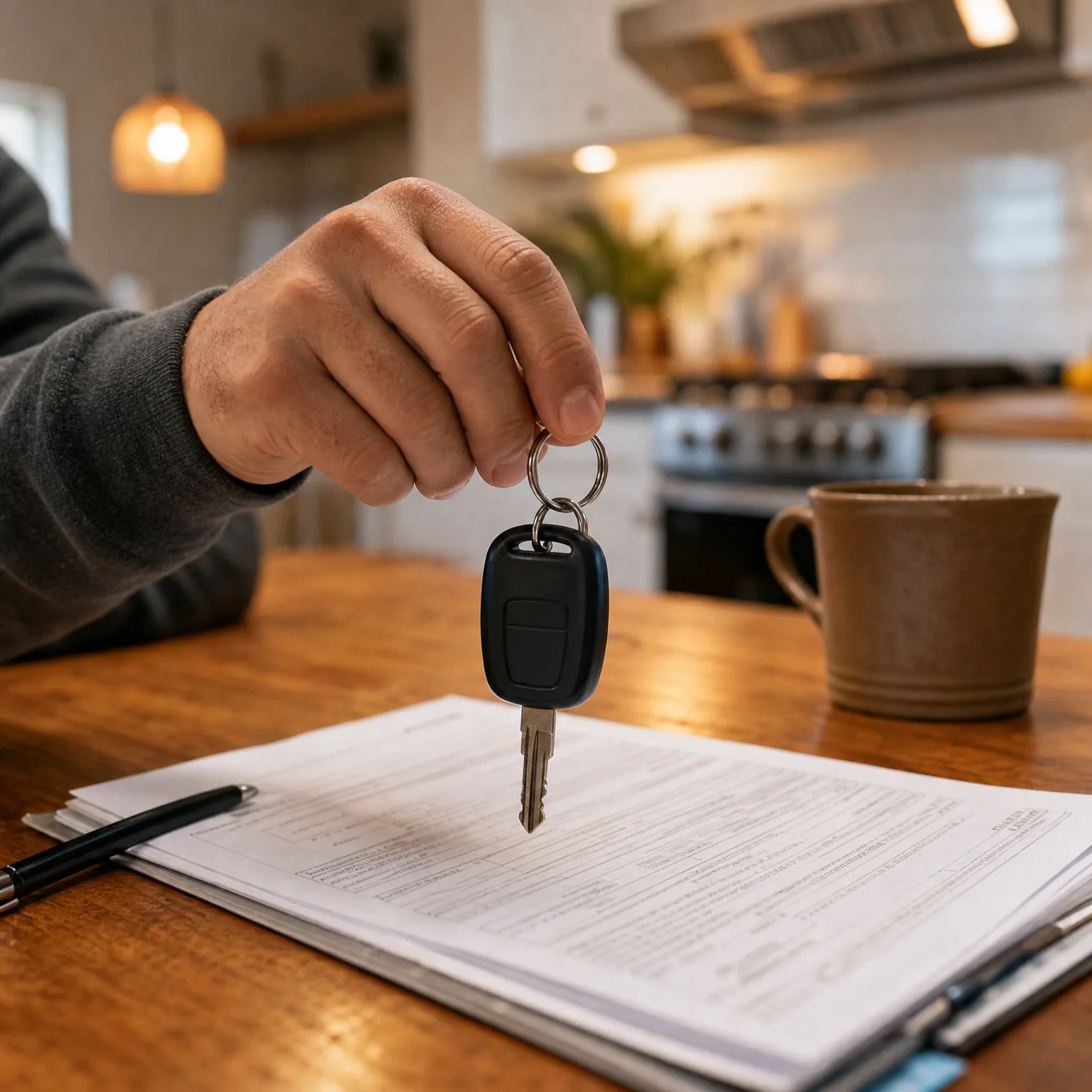
What is non-owner SR-22 insurance and how does it work?
Non-owner SR-22 insurance is liability coverage for drivers who don't own a vehicle but are legally required to maintain an SR-22 filing. It covers you when you drive a borrowed car, a rental, or any vehicle you don't own.
Non-owner policies cost significantly less than standard auto insurance because they exclude collision and comprehensive coverage. Post-SR-22 drivers typically pay $30–$60/month for non-owner SR-22 coverage, compared to $85–$200/month for a standard policy on an owned vehicle. The policy maintains your SR-22 filing with the state while you're between cars.
Not all carriers write non-owner SR-22 policies. Progressive, The General, and National General actively write non-owner SR-22 in most states. State Farm and GEICO write non-owner policies but route SR-22 business to specialty subsidiaries with separate underwriting. If your current carrier doesn't offer non-owner SR-22, you'll need to switch carriers before selling the car.


How do you transfer SR-22 between policies without a lapse?
The safest sequence is to buy the non-owner SR-22 policy first, then cancel your vehicle policy once the new SR-22 filing is active with the DMV. Most states process SR-22 filings within 3–7 business days, but some take up to 15 days during high-volume periods.
Request a non-owner SR-22 policy with an effective date 3–5 days before you plan to sell the car. Confirm with the new carrier that they've submitted the SR-22 filing to your state DMV. Once you receive DMV confirmation that the new filing is active, cancel your vehicle policy. The overlap period costs you a few extra days of premium but eliminates lapse risk.
If you've already sold the car and cancelled the policy, you have a narrow window to fix it. Most states allow a 10–30 day cure period if you reinstate SR-22 coverage immediately after a lapse. Contact a non-owner SR-22 carrier the same day you realize the gap. Some states will backdate the filing to cover short lapses if the new policy is in place within 10 days, but this is not guaranteed and varies by state.

Shop Again Now That Your Filing Has Ended
Compare Rates After SR-22What happens if your SR-22 lapses during the sale?
Your DMV receives an SR-22 cancellation notice from your carrier within 10 days of your policy ending. Most states suspend your driver's license automatically on the lapse date and reset your SR-22 filing period to the full original duration — typically 3 years from the new lapse date, not the original conviction date.
Reinstatement after a mid-filing lapse requires paying a suspension lift fee, submitting a new SR-22 filing, and in some states retaking the written or road test. Reinstatement fees range from $50 to $250 depending on the state. The new SR-22 filing restarts the clock, meaning you'll be filing for 3 additional years from the reinstatement date.
Some states assess additional penalties for SR-22 lapses beyond the suspension and extended filing period. Florida adds a $15/day fine for each day you drive on a suspended license after an SR-22 lapse, up to $500. California requires proof of continuous coverage for the past 3 years before lifting a post-lapse suspension, which can delay reinstatement by months if you can't document prior coverage.

How much does non-owner SR-22 cost compared to standard coverage?
Non-owner SR-22 policies cost 40–70% less than standard auto insurance for post-SR-22 drivers. Monthly premiums typically range from $30–$60 for non-owner SR-22 coverage, compared to $85–$200/month for a standard policy on an owned vehicle. The savings come from eliminating collision and comprehensive coverage, which account for most of the premium on high-risk policies.
The rate difference is most significant for drivers with DUI or major violation histories. A driver paying $180/month for full coverage SR-22 on a 2018 sedan would pay approximately $45/month for non-owner SR-22 covering the same liability limits. Over a 12-month period between cars, that's a $1,620 savings.
Non-owner SR-22 premiums still reflect your violation history and filing duration. A driver in year 1 of a DUI-related SR-22 filing pays 20–30% more for non-owner coverage than a driver in year 3 of the same filing. Rates drop as you approach the end of your filing period, even on non-owner policies.

Which carriers write non-owner SR-22 policies?
Progressive writes non-owner SR-22 in all 50 states and processes filings within 3–5 business days in most states. The General and National General also write non-owner SR-22 nationally, with slightly lower rates for drivers with DUI or suspended license histories. These three carriers account for approximately 70% of the non-owner SR-22 market.
State Farm and GEICO offer non-owner policies but route SR-22 business to specialty subsidiaries. State Farm uses Dairyland in most states for SR-22 filings. GEICO uses various regional non-standard carriers depending on the state. Quotes from these brands for non-owner SR-22 often come back 15–25% higher than direct quotes from Progressive or The General because of the subsidiary routing.
Some regional carriers write non-owner SR-22 but limit availability to specific violation types or filing durations. Bristol West writes non-owner SR-22 for post-suspension drivers but excludes DUI histories in several states. Acceptance Insurance writes non-owner SR-22 for drivers in years 2–3 of their filing period but declines first-year filers in most states. Check carrier-specific eligibility before applying.
Frequently Asked Questions
Can I pause my SR-22 requirement if I'm not driving?
No. SR-22 is a continuous filing requirement tied to your driver's license, not your driving activity. Even if you sell your car and stop driving, your state DMV expects uninterrupted SR-22 coverage for the full filing period. Letting coverage lapse resets your filing clock to zero in most states.
How long does it take to get a non-owner SR-22 policy?
Most carriers issue non-owner SR-22 policies within 24–48 hours of application approval. The SR-22 filing itself is submitted to your state DMV within 1–3 business days, and DMV processing takes an additional 3–7 days in most states. Plan for 7–10 days total between application and active DMV filing status.
What happens if I buy a new car before my SR-22 period ends?
You can convert your non-owner SR-22 policy to a standard auto policy when you buy a car. Contact your carrier before the purchase and request a vehicle addition effective on the purchase date. The SR-22 filing transfers to the new policy automatically. Most carriers process same-day vehicle additions if you call before 3pm in your time zone.
Does non-owner SR-22 cover rental cars?
Yes. Non-owner SR-22 provides liability coverage when you drive a rental car, and the SR-22 filing remains active with your state DMV while you're renting. You'll still need to purchase the rental company's collision damage waiver if you want physical damage coverage on the rental vehicle itself. Non-owner policies exclude collision and comprehensive.
Can I get non-owner SR-22 if I've never owned a car?
Yes. Non-owner SR-22 is available to any driver with a valid or suspended license who needs to maintain an SR-22 filing. You don't need prior auto insurance history or vehicle ownership. Carriers price non-owner SR-22 based on your violation history and filing duration, not prior ownership status.
Related Articles

Convert Owner SR-22 to Non-Owner SR-22 After Car Sale
5/18/2026

Adding a Vehicle to Non-Owner SR-22: What Changes
5/18/2026

Do I Need SR-22 If I Never Plan to Drive Again?
5/18/2026

SR-22 When Your Only Vehicle Is Totaled: What Happens Next
5/18/2026

Converting Non-Owner SR-22 to Owner SR-22 When You Buy a Car
5/18/2026

Non-Owner SR-22: Do I Need It Without a Car?
5/18/2026