
What Happens to Your SR-22 When Your Only Vehicle Is Totaled
Compare Rates After SR-22Does SR-22 filing end when your vehicle is totaled?
No. SR-22 is a financial responsibility filing attached to your driver's license, not your vehicle title. When your only vehicle is totaled, your filing obligation continues for the full court-ordered or DMV-mandated period — typically 3 years from the violation date in most states. The filing proves you carry minimum liability coverage, and that requirement doesn't disappear when the insured asset is destroyed.
Your carrier will process the total loss claim and settle the vehicle value. But the liability coverage that supports your SR-22 filing must remain active. If your policy cancels because there's no vehicle to insure, your carrier notifies the DMV electronically within 24-48 hours in most states. The DMV interprets that cancellation as a filing lapse, triggering an automatic suspension notice.
Most drivers discover this gap when they receive a suspension letter 10-15 days after the total loss settlement. By that point, the clock has already reset. The solution is to maintain a non-owner SR-22 policy immediately after the vehicle loss, before the original policy cancels.

How non-owner SR-22 policies work when you don't have a vehicle
A non-owner SR-22 policy provides liability coverage when you drive vehicles you don't own — rentals, borrowed cars, or employer vehicles. It maintains your SR-22 filing continuously even when you own nothing. Monthly premiums run $30-$65/mo for drivers with a single DUI and clean records otherwise, roughly 40-60% less than standard auto policies because there's no collision or comprehensive coverage.
The policy satisfies state minimum liability requirements and keeps your filing active with the DMV. You can purchase it the same day your vehicle is totaled, creating zero gap in coverage. Most non-standard carriers writing SR-22 — including Progressive, The General, and Bristol West — offer non-owner policies with same-day SR-22 electronic filing.
Non-owner coverage does not pay for damage to the vehicle you're driving. It covers liability only — injuries and property damage you cause to others. If you plan to replace your totaled vehicle within 30-60 days, a non-owner policy bridges the gap. If you're staying vehicle-free for months, it's the only way to maintain your filing without owning a car.
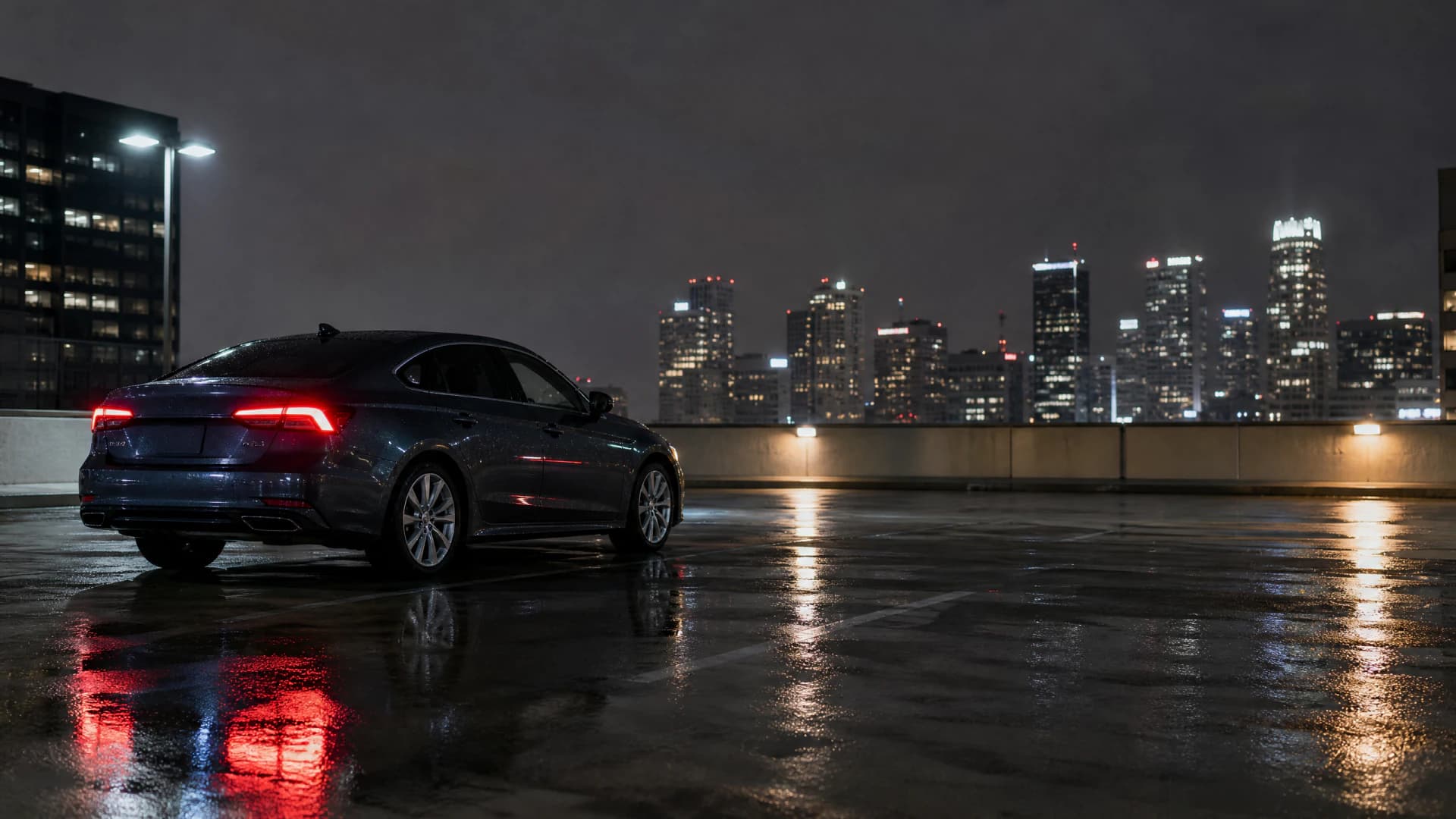

Timeline: what happens to your SR-22 filing after a total loss
Day 0-3 after total loss: Your carrier processes the claim and determines the vehicle is a total loss. The policy remains active during this period. Your SR-22 filing is still valid. No DMV action occurs.
Day 3-7: The carrier settles the claim and removes the totaled vehicle from your policy. If that was your only insured vehicle, the policy cancels for lack of insurable interest. The carrier electronically notifies your state DMV of the policy cancellation within 24-48 hours of the effective cancellation date.
Day 7-15: The DMV processes the cancellation notice and generates a suspension letter. Most states mail this letter to your address of record, giving you 10-30 days to reinstate coverage or surrender your license. Some states suspend immediately upon receiving the carrier notification, with no advance notice.
Day 15-45: If you take no action, your license suspends. The SR-22 filing period resets to zero in most states. You'll need to refile SR-22, pay reinstatement fees ranging from $75-$250 depending on state, and restart your 3-year filing clock from the new reinstatement date. The total cost of a 15-day lapse can exceed $1,200 when you account for reinstatement fees, refiling fees, and higher premiums after a suspension.
Which carriers write non-owner SR-22 policies for post-violation drivers
Progressive writes non-owner SR-22 in all 50 states and offers immediate electronic filing. Monthly premiums for drivers with one DUI and no other violations typically range $40-$70/mo. The application process takes 15-20 minutes online, and coverage can start the same day.
The General specializes in high-risk and post-violation drivers. Non-owner SR-22 premiums run $35-$60/mo for single-violation profiles. They write in 46 states and file SR-22 electronically within 24 hours of policy purchase. The General accepts drivers with suspended licenses actively working toward reinstatement.
Bristol West, owned by Farmers, writes non-owner SR-22 through independent agents in 43 states. Premiums trend slightly higher — $50-$80/mo — but they accept drivers with multiple violations or DUIs. Filing occurs within 48 hours electronically.
Nationwide and State Farm write non-owner policies but route SR-22 filers to their non-standard subsidiaries or decline to file SR-22 on non-owner products in many states. If you call a national carrier, confirm they write non-owner SR-22 specifically, not just non-owner coverage.

Shop Again Now That Your Filing Has Ended
Compare Rates After SR-22
What happens to your SR-22 filing period if coverage lapses after the total loss
In 38 states, any SR-22 lapse — even one day — resets your filing period to zero. If you were 18 months into a 3-year requirement when your vehicle was totaled and your policy lapsed for 10 days, your filing clock restarts at day zero once you reinstate. You'll owe the full 3 years from the new reinstatement date.
Twelve states allow filing period credit for time already served, but suspend your license during the lapse and charge reinstatement fees. California, Florida, and Texas fall into this category. You keep your earned time toward the 3-year requirement, but you lose driving privileges until you file new SR-22 and pay reinstatement fees of $55-$150.
The financial impact of a reset is substantial. If your post-DUI rate is $180/mo and you reset a filing requirement that had 18 months remaining, you pay an additional $3,240 over the extended period compared to maintaining continuous coverage. Reinstatement fees, refiling fees, and the rate increase many carriers apply after a suspension add another $400-$800 to the total.
The only way to preserve your filing progress is to maintain continuous coverage with zero gap. Non-owner SR-22 policies exist specifically for this scenario.
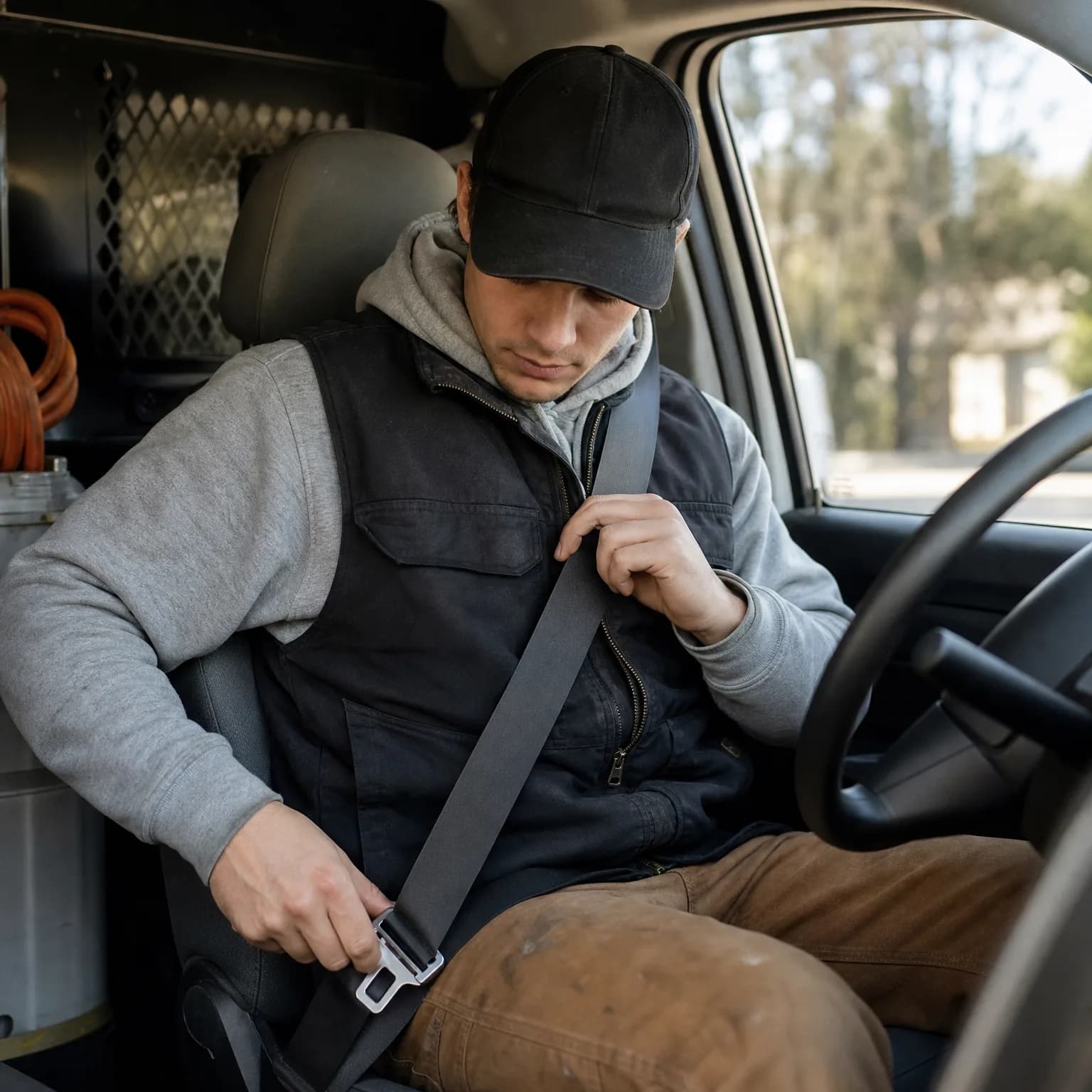
How to transition from your totaled vehicle policy to non-owner SR-22 with no gap
Contact a non-owner SR-22 carrier within 24 hours of the total loss determination. Request a policy start date that matches or precedes your current policy's cancellation date. Most carriers allow you to backdate a non-owner policy up to 3 days if purchased within 5 days of the coverage gap.
Provide your current SR-22 policy number and carrier name when applying. The new carrier will confirm your existing filing status and issue a new SR-22 certificate to the DMV electronically. Some states accept overlapping SR-22 filings from two carriers during a transition period — this creates a coverage safety net during the switchover.
Once the new non-owner policy is active and the SR-22 filed, contact your original carrier to confirm the cancellation date of your totaled vehicle policy. Verify that the non-owner policy start date precedes or matches that cancellation date. If there's a one-day gap, some carriers can adjust the effective date retroactively if you call within 72 hours.
Monitor your DMV record 10-15 days after the transition. Most state DMVs offer online license status checks. Confirm no suspension notice appears and that your SR-22 filing shows as active. If a suspension letter arrives, you have 10-30 days in most states to cure the lapse before the suspension takes effect.
Should you buy another vehicle or stay on non-owner SR-22 coverage
Non-owner SR-22 costs $30-$65/mo and satisfies your filing requirement with no vehicle ownership. If you're not ready to replace your totaled vehicle immediately — or if you're evaluating whether you need a car at all — non-owner coverage keeps your license valid and your filing active at the lowest possible cost.
Buying a replacement vehicle and insuring it with SR-22 costs $120-$220/mo for a driver with one DUI, depending on the vehicle value and coverage selections. Full coverage on a financed replacement will push premiums toward the higher end of that range. If your totaled vehicle was paid off and you're financing the replacement, expect a 30-50% rate increase compared to your previous policy.
The decision hinges on how long you can function without a vehicle. If you're replacing the car within 30 days, a non-owner policy bridges the gap cleanly. If you're waiting 90+ days or considering staying vehicle-free, non-owner coverage can carry your SR-22 for months or even the full filing period. Some drivers maintain non-owner SR-22 for the entire 3-year requirement and save $3,000-$5,000 compared to owning and insuring a vehicle they don't need.
Frequently Asked Questions
Can I cancel my SR-22 after my car is totaled?
No. SR-22 is a filing requirement attached to your license, not your vehicle. When your car is totaled, you must maintain continuous SR-22 coverage — either by insuring a replacement vehicle or purchasing a non-owner SR-22 policy. Canceling your SR-22 filing triggers an automatic license suspension in most states.
How much does non-owner SR-22 insurance cost after a total loss?
Non-owner SR-22 policies cost $30-$65/mo for drivers with a single DUI and otherwise clean records. This is 40-60% less than standard auto insurance because non-owner policies provide liability coverage only, with no collision or comprehensive coverage. Rates vary by state and violation history.
What happens if my SR-22 lapses for one week after my vehicle is totaled?
In 38 states, any SR-22 lapse resets your filing period to zero. If you were 18 months into a 3-year requirement, the clock restarts at day zero after reinstatement. You'll also owe reinstatement fees of $75-$250 depending on your state, and most carriers apply a rate increase after a suspension.
Do I need full coverage if I buy a replacement vehicle with an SR-22 requirement?
You need full coverage only if the vehicle is financed or leased — your lender requires it. If you own the replacement vehicle outright, you can carry liability-only coverage with SR-22 filing. Most high-risk drivers pay $120-$160/mo for liability-only SR-22 and $180-$220/mo for full coverage SR-22.
Can I switch to non-owner SR-22 before my totaled vehicle claim settles?
Yes. You can purchase a non-owner SR-22 policy immediately after the total loss determination, even while the claim is still processing. Set the non-owner policy start date to match or precede your current policy's cancellation date to avoid any coverage gap.
Related Articles

Selling Your Car Mid-SR-22? How to Avoid a Lapse
5/18/2026

Do I Need SR-22 If I Never Plan to Drive Again?
5/18/2026
SR-22 Without a License: Who Qualifies
6/8/2026

How to Handle SR-22 When You Get Divorced Mid-Filing
5/18/2026

Non-Owner SR-22 Insurance Without a License Explained
5/18/2026

Non-Owner SR-22: Do I Need It Without a Car?
5/18/2026