
Non-Owner SR-22: Set Up Filing Without Owning a Car
Compare Rates After SR-22What Non-Owner SR-22 Actually Covers
Non-owner SR-22 is liability-only coverage for drivers who don't own a vehicle but need to maintain an SR-22 filing. The policy covers bodily injury and property damage you cause while driving someone else's car, a rental, or a borrowed vehicle. It does not cover damage to the vehicle you're driving or your own injuries.
The filing itself works exactly like standard SR-22. Your insurer files the certificate with your state DMV, proving you carry continuous liability coverage meeting state minimums. Most states require $25,000/$50,000/$25,000 minimums, though your violation or court order may require higher limits.
Typical non-owner SR-22 premiums run $300–$600 annually, compared to $800–$1,500 for standard SR-22 on an owned vehicle. The cost difference reflects liability-only coverage with no collision or comprehensive. You're insuring your legal obligation to carry coverage, not a specific car.
When You Need Non-Owner SR-22 Instead of Standard SR-22
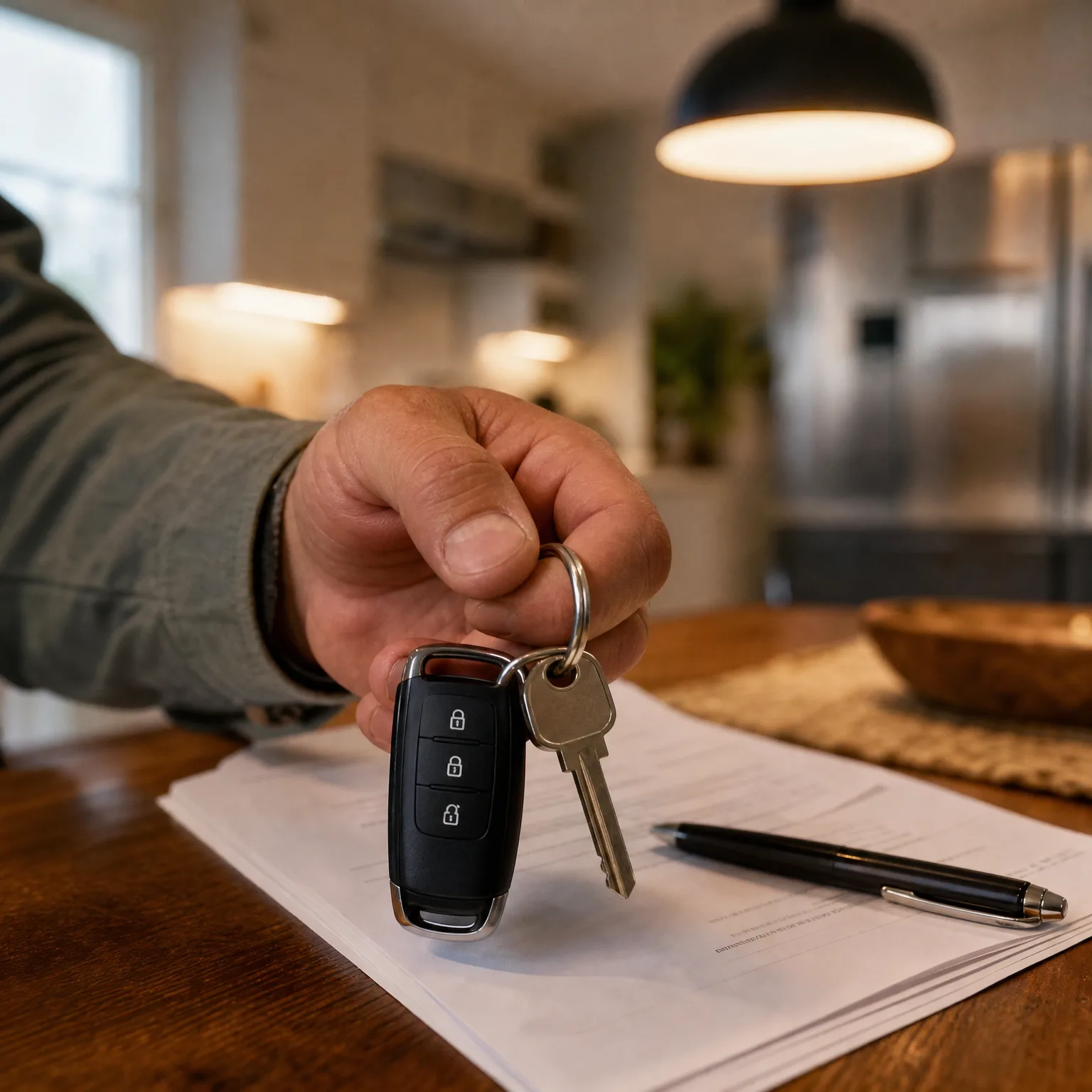
You need non-owner SR-22 if your state requires SR-22 filing but you don't own a vehicle. Common scenarios: you sold your car after a DUI conviction, your license was suspended and you no longer drive regularly, or you never owned a car but need SR-22 to reinstate your license after a violation.
Some states require SR-22 even if you're not actively driving. If your DMV letter states you must maintain continuous insurance for 3 years, non-owner SR-22 satisfies that requirement without forcing you to insure a vehicle you don't have. Let the filing lapse even one day and most states reset your entire filing period to zero.
Non-owner SR-22 also works if you're between vehicles but plan to drive occasionally. Borrow a friend's car, rent for a trip, or use a car-sharing service and your non-owner policy provides liability coverage. The moment you purchase and register a vehicle in your name, you must switch to standard SR-22 on that vehicle.


How to Set Up Non-Owner SR-22 Filing
Call carriers that write SR-22 in your state and ask specifically for a non-owner SR-22 quote. Do not apply online first. Many carrier websites hide non-owner options or route you to standard quotes. A phone conversation ensures you're quoted the correct product.
Provide your license number, violation details, and SR-22 requirement letter from your DMV. The carrier pulls your driving record, confirms SR-22 eligibility, and quotes liability-only coverage meeting your state's filing requirements. Most require payment in full or a 25–50% down payment before filing.
Once you pay and bind coverage, the carrier files your SR-22 certificate with the state DMV electronically within 24–72 hours. You receive proof of filing by email or mail. Call your DMV 5–7 days after binding to confirm they received the filing. Carriers occasionally file to the wrong department or use outdated forms. Confirming receipt prevents a lapse you don't know about.
Your policy renews every 6 or 12 months depending on the carrier. Set a calendar reminder 45 days before renewal to confirm your payment method is current. A missed payment cancels your policy, triggers an SR-22 lapse notice to the DMV, and in most states suspends your license within 10–30 days.
Shop Again Now That Your Filing Has Ended
Compare Rates After SR-22Which Carriers Write Non-Owner SR-22
Non-owner SR-22 availability varies significantly by state and carrier. National brands like GEICO, Progressive, and The General write non-owner SR-22 in most states. State Farm and Allstate write it selectively, often routing to specialty subsidiaries. USAA writes non-owner policies for military families but does not offer SR-22 filing in all states.
Regional carriers and high-risk specialists often offer better rates than national brands for non-owner SR-22. Bristol West, Dairyland, and Acceptance Insurance write non-owner SR-22 in multiple states and typically quote 15–30% lower than Progressive or GEICO for the same coverage. You're comparison shopping on price and filing reliability, not brand recognition.
Some carriers write SR-22 but not non-owner policies. Others write non-owner policies but not SR-22. Call and confirm the carrier writes both products together in your state before applying. A non-owner policy without SR-22 filing capability does not satisfy your DMV requirement.

What Happens If You Buy a Car While on Non-Owner SR-22
The moment you register a vehicle in your name, your non-owner SR-22 policy no longer satisfies state filing requirements. You must transfer to a standard SR-22 policy on the registered vehicle within 10–30 days depending on your state. Failure to transfer triggers an SR-22 lapse and license suspension.
Call your carrier immediately when you purchase and register a vehicle. Most allow you to convert your non-owner policy to a standard policy on the new vehicle without restarting your SR-22 filing period. The carrier cancels your non-owner certificate, files a new SR-22 on the vehicle policy, and your continuous coverage date remains unchanged.
Your premium will increase substantially. Standard SR-22 on an owned vehicle costs $800–$1,500 annually compared to $300–$600 for non-owner. The increase reflects collision and comprehensive coverage if you finance the vehicle, plus higher liability limits many lenders require. Budget for the difference before buying the car.

Non-Owner SR-22 Cost Comparison by State
Non-owner SR-22 premiums vary by state minimum liability limits and your violation type. States with higher minimums cost more. A DUI triggers higher rates than a lapse-related SR-22 requirement.
California non-owner SR-22 averages $400–$700 annually for DUI filers, reflecting $15,000/$30,000/$5,000 state minimums. Florida averages $350–$650 with $10,000/$20,000/$10,000 minimums. Texas averages $300–$550 with $30,000/$60,000/$25,000 minimums. Ohio averages $380–$620 with $25,000/$50,000/$25,000 minimums.
Rates drop 10–20% after your first year if you maintain continuous coverage with no new violations. Carriers view a clean year as proof of reduced risk. Shop again at your first renewal. The carrier that quoted lowest initially may not be cheapest after 12 months of claims-free history.
Frequently Asked Questions
Can I get non-owner SR-22 if I live with someone who owns a car?
Yes, but some carriers require you to be listed as an excluded driver on the vehicle owner's policy. This prevents coverage overlap and clarifies which policy responds if you drive that vehicle. Call carriers directly and explain your household vehicle situation before binding non-owner SR-22 coverage.
Does non-owner SR-22 cover rental cars?
Yes, non-owner SR-22 provides liability coverage when you drive a rental car. The rental company's collision damage waiver covers the rental vehicle itself. Your non-owner policy covers bodily injury and property damage you cause to others while driving the rental.
How long does non-owner SR-22 filing last?
Non-owner SR-22 filing lasts as long as your state DMV or court order requires, typically 3 years from your violation date. The filing period does not change based on policy type. Non-owner and standard SR-22 follow the same filing duration rules.
What happens if I let non-owner SR-22 lapse?
Your carrier notifies the DMV within 24 hours of policy cancellation or non-payment. Most states suspend your license within 10–30 days and reset your SR-22 filing period to zero. You must purchase new coverage, refile SR-22, pay reinstatement fees, and restart the entire filing clock.
Can I switch from standard SR-22 to non-owner SR-22 if I sell my car?
Yes. Call your carrier the day you sell or surrender your vehicle registration. They cancel your standard SR-22 policy, issue a non-owner SR-22 policy, and file the updated certificate with your DMV. Your continuous coverage date and filing period remain unaffected if the switch happens without a gap.
Related Articles
Non-Owner SR-22 Insurance: Cost & How It Works
5/18/2026

Non-Owner SR-22: Do I Need It Without a Car?
5/18/2026

Owner vs Non-Owner SR-22: Cost & Coverage Differences
5/18/2026
Non-Owner SR-22 Insurance Without a License Explained
5/18/2026

SR-22 Without a License: Who Qualifies
6/8/2026

Do I Need SR-22 If I Never Plan to Drive Again?
5/18/2026