
Ignition Interlock Failed Reading and SR-22: What Gets Reported
Compare Rates After SR-22What triggers a reportable ignition interlock violation
A failed breath test registers as a violation when your breath alcohol concentration exceeds the device threshold — typically 0.02% to 0.025% BAC depending on your state and court order. Your interlock logs every failed start attempt, every rolling retest failure, and every circumvention attempt. Most devices allow one or two retests within a short window before locking you out and recording a formal violation.
The device distinguishes between a failed reading and a lockout violation. A single failed breath sample followed by a clean retest within 5 minutes usually registers as a warning, not a formal violation. A second failed attempt, a missed rolling retest while driving, or any attempt to bypass the device triggers a lockout and a mandatory report to your monitoring authority.
Your interlock contract defines what counts as a violation in your state. Common triggers: failing a rolling retest three times in a monitoring period, accumulating multiple failed start attempts in one day, disconnecting the device, or failing to appear for a required calibration appointment. These definitions vary by state law and your specific court order.
Who receives ignition interlock violation reports
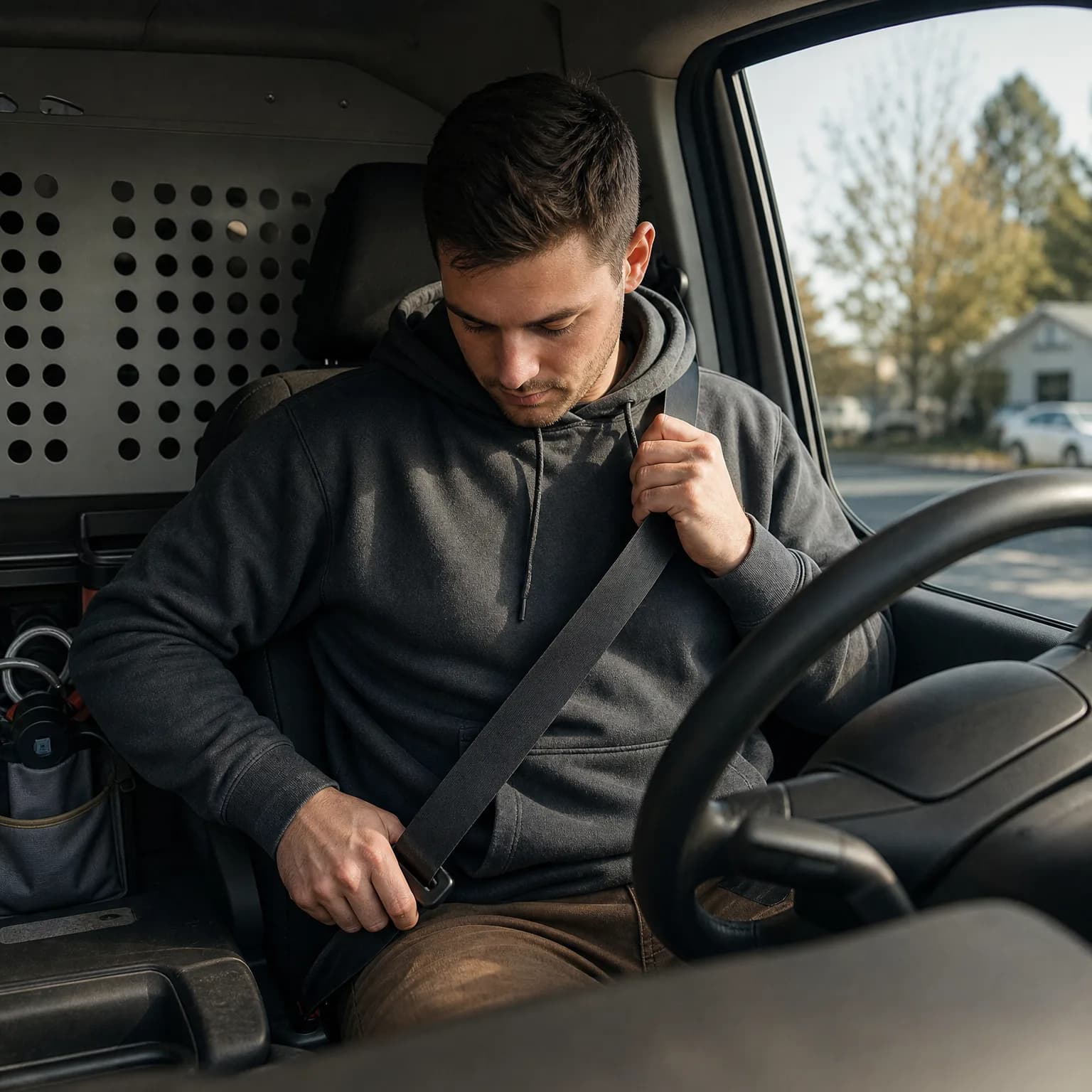
Your ignition interlock provider reports violations directly to the state DMV or monitoring authority that ordered your device installation — not to your insurance carrier. The interlock company is legally required to submit compliance reports on a schedule set by your state, typically every 30 to 60 days. These reports include failed tests, missed calibrations, tampering attempts, and circumvention violations.
Your SR-22 insurance carrier does not receive real-time ignition interlock data unless the DMV issues a new suspension or revocation based on your violation report and notifies your carrier separately. The SR-22 filing itself tracks whether you maintain continuous liability coverage, not whether you pass breath tests. The two monitoring systems run in parallel.
The court or probation officer who ordered your interlock may also receive violation reports depending on your jurisdiction and sentencing terms. If your interlock requirement was imposed as a condition of probation or a restricted license, your probation officer typically receives the same compliance data the DMV sees. A pattern of violations can trigger a probation violation hearing separate from any DMV action.

How ignition interlock violations affect your SR-22 requirement
A failed interlock reading does not directly cancel your SR-22 or trigger a rate increase unless the violation leads to a new DMV suspension or license action. Your SR-22 filing remains valid as long as you maintain continuous liability coverage at or above your state minimum. The carrier filing your SR-22 has no contractual obligation to monitor your interlock compliance.
The DMV can extend your SR-22 filing period or impose a new suspension based on your interlock violation report. If your state revokes your restricted license or adds suspension time because of failed breath tests, that new suspension typically restarts your SR-22 clock. A driver originally required to file SR-22 for 3 years who accumulates a new suspension in year two often faces an additional 3-year filing period starting from the new reinstatement date.
Some states tie interlock compliance directly to SR-22 duration. If your court order requires both an ignition interlock and SR-22 filing for the same violation, a pattern of interlock failures can extend both requirements simultaneously. The DMV sends a notice when your filing period changes — your carrier does not automatically adjust the duration without that notice.
What the DMV does with ignition interlock violation data
The DMV reviews your interlock compliance reports and compares violations against your state's tolerance threshold. Most states allow a small number of isolated failed tests within a monitoring period before imposing penalties. A single failed reading followed by clean retests typically generates a warning letter, not a suspension. Three or more lockout violations in a 30-day period usually triggers a compliance hearing or automatic license extension.
Common DMV actions after repeated interlock violations: extending your interlock requirement by 3 to 6 months, revoking your restricted license until you complete a violation-free monitoring period, or converting your restricted license back to a full suspension. The DMV sends written notice of any action, including the new compliance deadline and whether your SR-22 filing period has been extended.
Your reinstatement eligibility resets if the DMV imposes a new suspension based on interlock violations. A driver 18 months into a 3-year SR-22 requirement who receives a 6-month suspension for interlock non-compliance will typically face a new 3-year SR-22 period starting from the date they reinstate after the new suspension. The original filing does not continue during the new suspension — it restarts afterward.

Shop Again Now That Your Filing Has Ended
Compare Rates After SR-22
When your insurance carrier learns about ignition interlock violations
Your SR-22 carrier receives notification only if the DMV cancels your license or imposes a new suspension based on your interlock violations. The carrier does not receive your monthly interlock compliance reports. Most carriers learn about interlock-related suspensions through the same DMV notification system they use to monitor all license status changes for SR-22 filers.
A new suspension triggers an SR-22 cancellation notice from your carrier to the DMV unless you request continuation during suspension. If your policy remains active but your license is suspended, the carrier notifies the state that your SR-22 filing is no longer valid because you do not hold a valid license. That cancellation notice can extend your total compliance timeline when you eventually reinstate.
Carriers writing high-risk policies in states with mandatory interlock programs sometimes ask about interlock status at renewal. If you disclose ongoing interlock violations or a compliance hearing, the carrier may non-renew your policy at the end of the term. Non-renewal for interlock violations does not cancel your current SR-22, but it forces you to find a new carrier willing to file SR-22 during an active interlock violation period — which typically means moving to a higher-cost non-standard insurer.
What to do after a failed ignition interlock reading
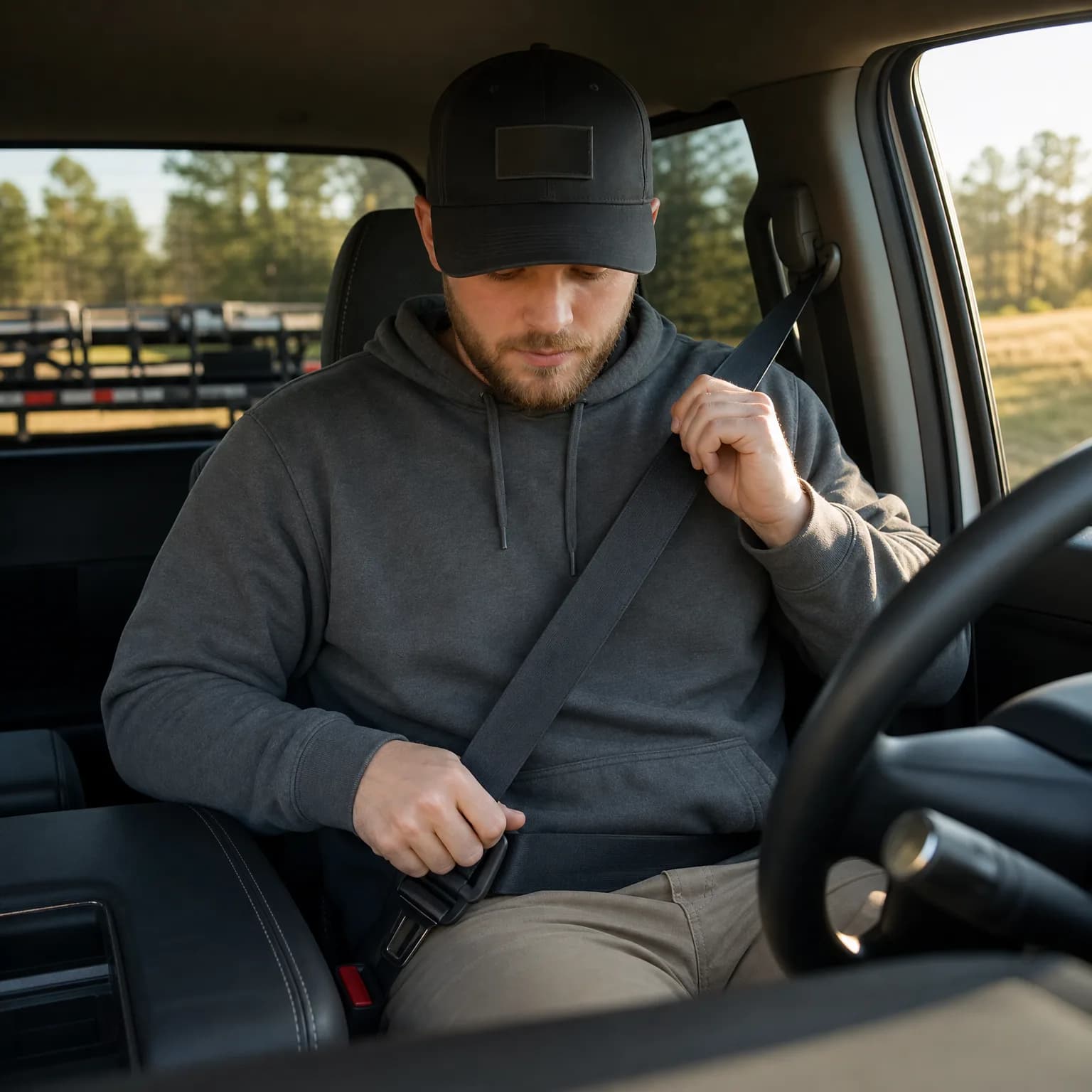
Wait the required lockout period and retest with a clean breath sample before attempting to drive. Most devices impose a 5- to 15-minute lockout after a failed reading. Do not attempt to bypass the device, disconnect it, or have someone else blow into it — all of those actions generate higher-level violations that carry mandatory reporting and extension penalties.
Document the circumstances if you believe the failed reading was caused by mouthwash, medication, or environmental contamination. Ignition interlock providers allow you to request a review of flagged violations, but you must submit that request within the timeframe specified in your monitoring agreement — typically 5 to 10 business days. Include any receipts, medication labels, or other evidence that explains the failed test.
Call your interlock provider immediately if you miss a rolling retest or accumulate multiple failed readings in one monitoring period. Some providers allow you to schedule an early calibration appointment to review your violation history before the next compliance report goes to the DMV. An early intervention appointment does not erase violations, but it creates a compliance record showing you addressed the issue proactively before the DMV received the report.
Rate impact after ignition interlock violations
Your premium does not increase automatically when you fail an interlock breath test. Rate changes occur when the DMV imposes a new suspension or revocation based on your violation pattern and your carrier receives notice of that action. A new suspension typically triggers the same rate increase you experienced after your original DUI or major violation — an additional 70% to 130% depending on your state and carrier.
Carriers that specialize in high-risk drivers distinguish between isolated interlock violations and patterns of non-compliance. A single failed reading that does not result in a DMV action usually has no rate impact. Three or more violations leading to a license extension or revocation hearing signals higher ongoing risk, and carriers price that risk into your renewal premium even if your license remains valid during the hearing process.
Drivers completing their SR-22 requirement who then accumulate interlock violations face the longest rate recovery timeline. If your SR-22 filing period was scheduled to end in 6 months but a new suspension restarts the clock, you remain in the high-risk pricing tier for the duration of the extended filing period. Most carriers do not reduce rates for SR-22 filers until the filing requirement officially ends and you maintain a clean record for at least 6 months afterward.
Frequently Asked Questions
Does my car insurance company see my ignition interlock test results?
No. Your insurance carrier does not receive ignition interlock test data or compliance reports. The interlock provider reports only to the DMV and any court or probation officer who ordered the device. Your carrier learns about violations only if the DMV imposes a new suspension based on those reports and notifies the carrier through the standard license monitoring system.
Will a failed ignition interlock test cancel my SR-22?
A single failed test does not cancel your SR-22. Your SR-22 remains valid as long as you maintain continuous liability insurance. The SR-22 cancels only if you let your policy lapse or if the DMV suspends your license based on a pattern of interlock violations and your carrier files a cancellation notice with the state.
How many ignition interlock violations trigger a new suspension?
Most states allow one or two isolated violations per monitoring period before imposing penalties. Three or more lockout violations within 30 days typically triggers a compliance hearing or automatic extension of your interlock requirement. The exact threshold varies by state and is specified in your court order or DMV notice.
Does an ignition interlock violation restart my SR-22 filing period?
Only if the DMV imposes a new suspension based on the violation. If your interlock violations result in a license revocation or new suspension order, your SR-22 filing period typically restarts from the date you reinstate after resolving the new suspension. An isolated violation with no DMV action does not extend your filing requirement.
Can I get my ignition interlock violation removed from my record?
Interlock violations remain in your DMV compliance file, but you can request a review if you believe the failed test was caused by medication, mouthwash, or device error. Submit your request to your interlock provider within 5 to 10 business days with supporting documentation. A successful review may prevent the violation from counting toward your cumulative total, but it does not erase the original failed reading from the device log.
Related Articles

Interlock Lockouts and SR-22 Carrier Notification
5/18/2026
Missed Interlock Appointment: SR-22 Impact & Next Steps
5/18/2026

Ignition Interlock Removal While SR-22 Active: What Changes
5/18/2026

SR-22 Carriers for Interlock Devices in Arizona
5/18/2026

SR-22 & Interlock: Which Ends First & What You Pay
5/18/2026

Arizona Ignition Interlock License: SR-22 Filing Rules
5/18/2026