
Kansas Restricted Driving Privilege After SR-22 Filing
Compare Rates After SR-22What Kansas Restricted Driving Privilege Actually Allows
Kansas restricted driving privilege permits you to drive for work, medical appointments, court-ordered programs, and childcare — but not recreation, social visits, or errands. The restriction is route-specific: you must drive the most direct path between approved locations during approved hours. Your employer or treatment provider must submit documentation to the Kansas Department of Revenue confirming your schedule.
Most drivers receive restricted privilege after a DUI or refusal suspension if they complete alcohol evaluation and install an ignition interlock device. The privilege does not reduce your suspension period — it runs concurrently with your full suspension. If you were suspended for one year, restricted privilege lets you drive for approved purposes during that year, not instead of it.
Violating restricted privilege terms triggers immediate revocation and resets your suspension clock to the original length. Kansas DMV does not issue warnings for violations caught during traffic stops or compliance checks.

How SR-22 Filing Overlaps With Restricted Privilege in Kansas
Kansas requires SR-22 filing for 3 years after DUI, multiple violations, or driving uninsured. The filing requirement starts on the date your carrier submits the SR-22 certificate to Kansas DMV — not the conviction date, not the suspension date. Most drivers begin their SR-22 filing while their license is still suspended or while they're on restricted privilege.
Your SR-22 filing period and restricted privilege period are two separate timelines controlled by different agencies. Finishing your 3-year SR-22 does not restore full driving privilege if you're still under a suspension order. You must maintain SR-22 continuously until both the filing period ends and the Department of Revenue issues full reinstatement.
If your SR-22 lapses at any point during your filing period — even one day — Kansas DMV receives automatic notification from your carrier and suspends your license immediately. The 3-year clock resets to zero from the lapse date. Most post-SR-22 drivers lapse during the final year because they stop tracking the exact end date.
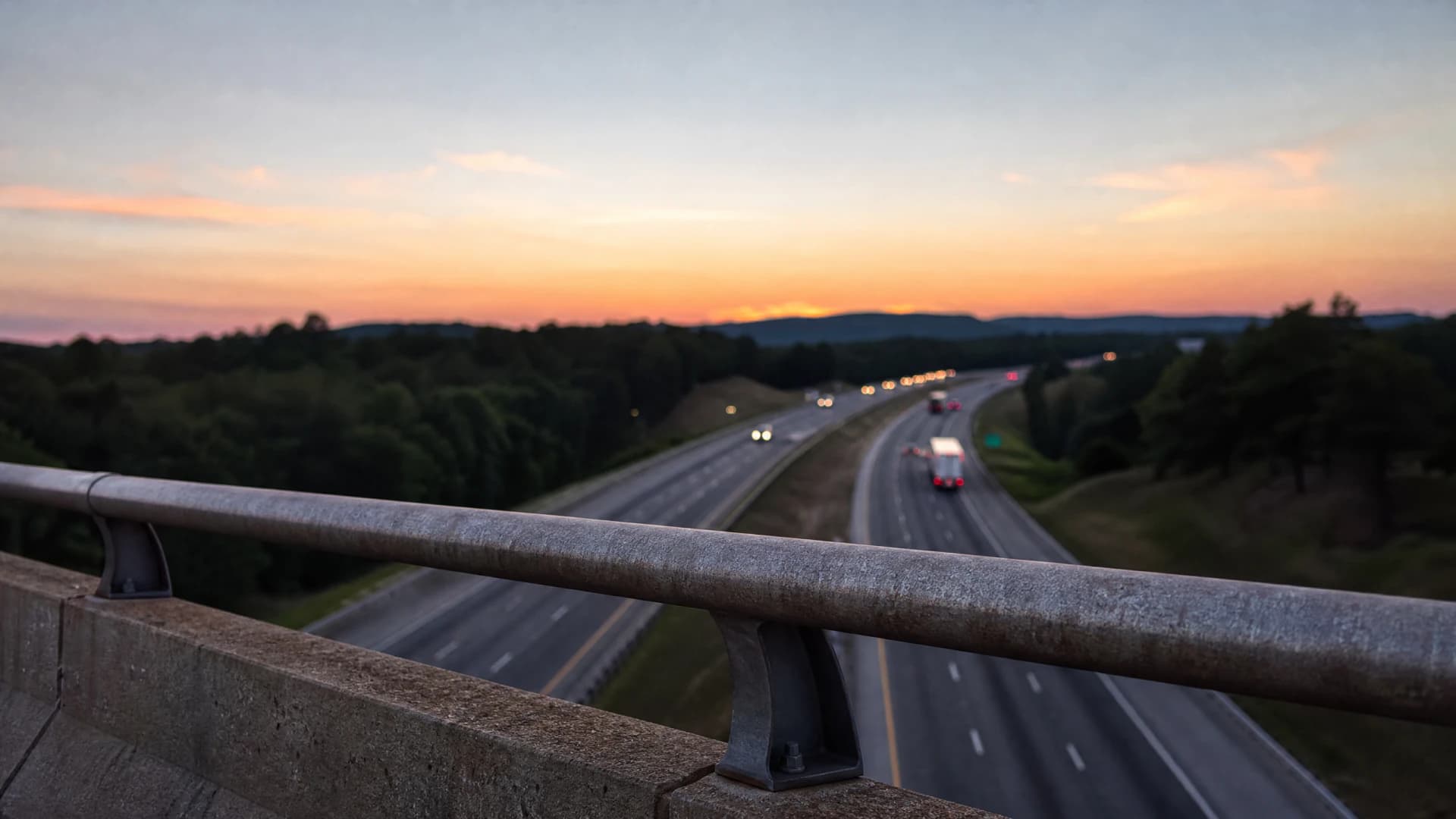

The Rate Recovery Curve After Kansas SR-22 Ends
Kansas drivers typically see rates drop 15–25% immediately after their SR-22 filing period ends, assuming no new violations. That's the removal of the SR-22 surcharge — usually $15–$50/month depending on your carrier. The larger rate recovery happens when the underlying violation ages past your carrier's lookback window.
Most Kansas carriers use a 3-year lookback for DUI and a 3–5 year lookback for major violations. Your rate starts dropping at the 3-year mark from the violation date — not the SR-22 end date. If you filed SR-22 for a DUI from 2021 and your filing ended in 2024, your rate won't reach clean-record pricing until 2024 at the earliest, and potentially 2026 if your carrier uses a 5-year window.
Post-SR-22 drivers in Kansas who shop carriers after their filing ends save an average of $40–$80/month compared to staying with their current insurer. Carriers that specialize in high-risk policies during the SR-22 period rarely offer competitive post-SR-22 rates. Progressive, State Farm, and Shelter write post-SR-22 drivers in Kansas aggressively once the filing clears and 36 months pass from the violation date.

Shop Again Now That Your Filing Has Ended
Compare Rates After SR-22When Full Driving Privilege Returns in Kansas
You must apply for full reinstatement with the Kansas Department of Revenue after your suspension period ends. The application requires proof of SR-22 coverage, payment of a $100 reinstatement fee, completion of any court-ordered programs, and proof of ignition interlock removal if one was required. Kansas does not automatically restore full privilege when your suspension clock runs out.
If your original suspension was for DUI, you must also submit proof of alcohol evaluation completion and satisfy any treatment requirements ordered by the court. The Department of Revenue reviews your file within 7–10 business days after receiving complete documentation. Incomplete applications delay reinstatement by 2–4 weeks on average.
Once reinstated, your license shows no restriction code — but the DUI or violation remains on your Kansas driving record for 10 years from the conviction date. Insurance carriers can see the full history during that period even after SR-22 ends and full privilege is restored.

Which Kansas Carriers Offer the Lowest Post-SR-22 Rates
Progressive and State Farm consistently quote the lowest rates for Kansas drivers 12–24 months after SR-22 filing ends, assuming no additional violations. Both carriers tier post-SR-22 drivers based on time since the violation — you move into better pricing tiers at 3 years, 4 years, and 5 years from the violation date. Shopping every 6 months during this window captures tier movement your current carrier won't notify you about.
Shelter Insurance writes post-SR-22 drivers in Kansas at standard rates once 36 months pass from the violation and SR-22 filing is complete. Their quoted rates for post-DUI drivers with clean records otherwise run $95–$140/month for minimum liability, compared to $130–$190/month at carriers that maintain high-risk surcharges past the filing period.
Carriers that wrote your SR-22 policy — typically non-standard insurers like The General, Acceptance, or Bristol West — rarely offer competitive post-SR-22 pricing. Most post-SR-22 drivers in Kansas pay 30–60% more by staying with their SR-22 carrier past the filing end date instead of shopping standard carriers.

How Long Until Kansas Rates Reach Normal Levels
Kansas post-SR-22 drivers reach near-normal rates 3–5 years after the violation date if no new incidents occur. The timeline depends on your carrier's lookback period and whether the violation was DUI, refusal, or accumulation. DUI typically carries a 5-year lookback at most Kansas carriers; multiple violations or uninsured operation carries a 3-year lookback.
Your rate drops in stages, not all at once. Expect a 15–25% drop when SR-22 filing ends, another 20–30% drop at the 3-year mark from violation, and full clean-record pricing at 5 years. A Kansas driver paying $220/month during SR-22 typically drops to $180/month immediately after filing ends, $140/month at 3 years, and $95/month at 5 years — assuming continuous coverage and no new violations.
Shopping carriers accelerates rate recovery because different carriers tier post-SR-22 drivers differently. Progressive may tier you as standard at 3 years while your current carrier keeps you surcharged until 5 years. The rate difference between carriers widens during years 3–5 after violation.
Frequently Asked Questions
Can I drive to the grocery store on Kansas restricted driving privilege?
No. Kansas restricted privilege permits driving only for work, medical appointments, court-ordered programs, childcare, and education. Errands, shopping, and social visits are prohibited. Violating these terms triggers immediate revocation and resets your suspension period to the original length.
Does finishing SR-22 in Kansas restore my full license automatically?
No. Completing your SR-22 filing period does not restore full driving privilege in Kansas. You must separately apply for reinstatement with the Department of Revenue, pay a $100 fee, and submit proof of program completion. The SR-22 filing and suspension reinstatement are controlled by different timelines.
How much do Kansas car insurance rates drop after SR-22 ends?
Kansas drivers typically see a 15–25% rate drop immediately after SR-22 filing ends, removing the SR-22 surcharge of $15–$50/month. Larger rate reductions happen at 3 years and 5 years from the violation date as the incident ages out of your carrier's lookback period. Shopping carriers after SR-22 ends saves an average of $40–$80/month.
Which Kansas insurance companies offer the best rates after SR-22?
Progressive, State Farm, and Shelter Insurance consistently quote the lowest post-SR-22 rates in Kansas once 36 months pass from the violation date. These carriers tier post-SR-22 drivers more favorably than non-standard insurers that wrote your SR-22 policy. Shopping every 6 months captures tier movement as your violation ages.
How long does a DUI stay on my Kansas driving record after SR-22?
A DUI remains on your Kansas driving record for 10 years from the conviction date. Insurance carriers can see the full history during that period even after your SR-22 filing ends and full driving privilege is restored. Most carriers stop surcharging for DUI at 3–5 years if no new violations occur.
Related Articles

Missouri Restricted Driving Privilege & SR-22 Insurance
5/18/2026

Cheapest Kansas Car Insurance After SR-22
6/8/2026

SR-22 and Idaho Restricted Permits: What You Can Drive
5/18/2026
Who Is Exempt from SR-22 After a DUI or Violation
5/18/2026

SR-22 & Indiana Specialized Driving Privileges Guide
5/18/2026

SR-22 and Ohio Limited Driving Privileges Guide
5/18/2026