
SR-22 Carriers That Work With Ignition Interlock in Texas
Compare Rates After SR-22Which Texas SR-22 Carriers Accept Ignition Interlock Without Device Surcharges
Progressive, The General, and Bristol West write SR-22 policies for ignition interlock drivers in Texas without applying device-specific surcharges to your premium. Your rate reflects the underlying DWI violation and SR-22 filing requirement, but the physical presence of the interlock device does not trigger an additional fee.
Nationwide and State Farm route ignition interlock cases to specialty subsidiaries. You'll receive coverage, but the underwriting entity changes and rates typically increase 15–25% compared to their standard high-risk SR-22 pricing. The device itself becomes a rated factor rather than a neutral compliance tool.
Carriers that decline ignition interlock cases outright in Texas include GEICO for new policies and Allstate in most counties. If you held a policy with either before your DWI, they may non-renew once the interlock requirement appears on your MVR. Plan to shop 60 days before your renewal date.

How Ignition Interlock Installation Timing Affects Your SR-22 Filing Window
Texas courts typically require ignition interlock installation within 30 days of your DWI conviction or occupational license approval. Your SR-22 filing must be active before the interlock goes in, not after. The DMV will not process your occupational license application without proof of SR-22 on file.
Most carriers issue SR-22 certificates within 24–72 hours of policy binding. If you're within 10 days of your interlock installation deadline, call the carrier directly to request expedited SR-22 filing rather than relying on automated processing. Missing the interlock deadline extends your suspension period and resets your occupational license eligibility clock.
Your SR-22 filing period in Texas runs for 2 years from the date your license is reinstated, not from your conviction date or interlock installation date. If your interlock requirement lasts 1 year but your SR-22 runs 2 years, you'll carry SR-22 coverage for 12 months after the device is removed. Budget for the higher premium through the full filing window.
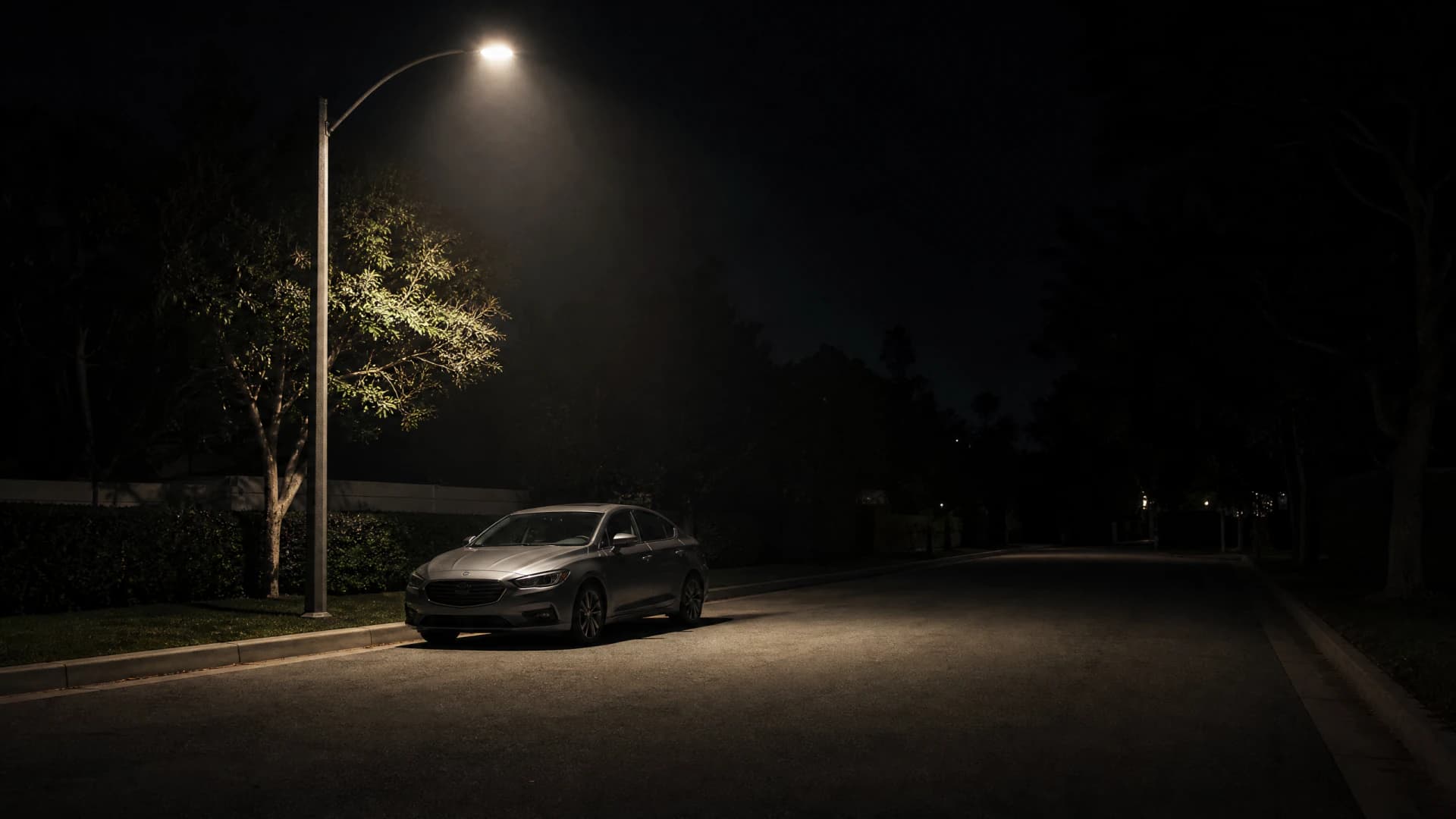

What Ignition Interlock Drivers Pay for SR-22 in Texas by Violation Type
First-offense DWI with ignition interlock and SR-22 typically costs $180–$260/mo for minimum liability coverage in Texas. That's a 140–190% increase over standard liability rates for the same driver profile without a violation. Carriers writing this risk include Progressive, The General, Acceptance, and Dairyland.
Second-offense DWI with interlock pushes rates to $240–$340/mo for minimum liability. You're now in the non-standard market exclusively. Bristol West, Gainsco, and Direct Auto write this profile in Texas, but availability varies by county and your specific BAC level at arrest.
Occupational license holders with interlock often qualify for slightly lower rates, $165–$240/mo, because the restricted license signals court-approved compliance rather than post-conviction filing alone. Not all carriers recognize this distinction. The General and Progressive both tier occupational license cases separately and offer 8–12% lower premiums than standard SR-22 filers with the same violation.

Shop Again Now That Your Filing Has Ended
Compare Rates After SR-22How to Compare SR-22 Quotes When You Have an Interlock Device Installed
Request quotes from at least four carriers that actively write ignition interlock cases in Texas. Progressive, The General, Bristol West, and Acceptance are your baseline. National carriers like State Farm and Nationwide will quote you, but expect routing to a specialty subsidiary with different pricing.
Provide your interlock installation date and provider name when requesting quotes. Some carriers apply discounts of 5–10% when the device is installed by a state-certified provider like LifeSafer, Intoxalock, or Smart Start. Others do not tier by provider at all. The only way to identify which carriers reward certified installation is to disclose it upfront and compare the quoted premium.
Ask whether the carrier requires an SR-22 endorsement filing or accepts an SR-22A certificate. Texas uses both forms depending on your violation type and licensing status. An SR-22 covers a specific vehicle you own. An SR-22A covers any vehicle you drive, required if you don't own a car but hold an occupational license. Carriers that write SR-22A for interlock drivers include Progressive and The General. GEICO and Allstate typically decline SR-22A cases with interlock requirements.

What Happens to Your SR-22 Requirement If Your Interlock Lease Ends Early
Your SR-22 filing obligation is independent of your ignition interlock installation period. If the court required 1 year of interlock but 2 years of SR-22, removing the device after 12 months does not shorten your SR-22 requirement. You must maintain continuous SR-22 coverage for the full period ordered by the court or DMV.
Some drivers assume they can drop to a cheaper non-SR-22 policy once the interlock comes out. That assumption triggers an immediate SR-22 lapse notice to the Texas DMV. Your license suspends again within 10 days, and you'll restart the 2-year SR-22 clock from zero once you refile.
If your carrier quoted you at an interlock-adjusted rate and the device is removed before your SR-22 period ends, contact them to request re-rating. You may qualify for a 10–18% reduction once the device factor drops off your policy, even though the SR-22 filing remains in place. Not all carriers re-rate mid-term. Progressive and The General both allow it. State Farm and Nationwide typically require you to wait until renewal.
Frequently Asked Questions
Do I need SR-22 before or after I install my ignition interlock device in Texas?
You need active SR-22 coverage before your ignition interlock installation in Texas. The DMV will not process your occupational license or reinstatement application without proof of SR-22 on file. Most carriers issue SR-22 certificates within 24–72 hours of binding your policy.
Which car insurance carriers in Texas cover ignition interlock drivers with SR-22?
Progressive, The General, Bristol West, Acceptance, and Dairyland actively write SR-22 policies for ignition interlock drivers in Texas. State Farm and Nationwide route these cases to specialty subsidiaries. GEICO and Allstate typically decline new ignition interlock SR-22 applications.
How much does SR-22 insurance cost with an ignition interlock device in Texas?
First-offense DWI with ignition interlock and SR-22 costs $180–$260/mo for minimum liability in Texas. Second-offense cases run $240–$340/mo. Occupational license holders with interlock may qualify for slightly lower rates, $165–$240/mo, depending on carrier and county.
Can I drop my SR-22 filing after my ignition interlock lease ends?
No. Your SR-22 filing requirement is independent of your ignition interlock period. If the court ordered 2 years of SR-22 but only 1 year of interlock, you must maintain SR-22 coverage for the full 2 years even after the device is removed. Dropping SR-22 early triggers an immediate license suspension.
Does my insurance rate drop after my ignition interlock device is removed in Texas?
Some carriers re-rate your policy and reduce premiums by 10–18% once the interlock device is removed, even if your SR-22 filing remains active. Progressive and The General allow mid-term re-rating. State Farm and Nationwide typically require you to wait until your policy renewal date.
Related Articles
SR-22 & Interlock: Which Ends First & What You Pay
5/18/2026
SR-22 + Interlock in WA: Carriers That Support Both
5/18/2026

Oregon SR-22 + Ignition Interlock: Carriers & Costs
5/18/2026
SR-22 + Interlock Cost: Real Monthly Out-of-Pocket
5/18/2026
AZ Ignition Interlock License: Post-SR22 Insurance Costs
5/18/2026

CO SR-22 Carriers That Work With Ignition Interlock
5/18/2026