
SR-22 Underwriting Decline After Policy Issuance: What Happens Next
Compare Rates After SR-22What Post-Issuance Underwriting Review Actually Means for SR-22 Policies
Post-issuance underwriting is a second review carriers run 30 to 90 days after your policy starts, using data not available at application. For SR-22 policies, this review pulls your full MVR, CLUE report, and sometimes criminal records to verify what you disclosed on your application. If the review surfaces unreported violations, accidents, or license suspensions, the carrier can cancel your policy mid-term and withdraw your SR-22 filing.
Most high-risk drivers assume underwriting happens once, at application. It doesn't. Carriers writing SR-22 business routinely issue policies based on incomplete data, then run the full review after you've paid your first premium. The gap between what you reported and what the carrier's data vendors surface is what triggers a post-issuance decline.
The financial consequence is immediate. You lose the premium you paid for the full term. Most carriers prorate refunds, but you're still out weeks or months of coverage you thought you had. More critically, your SR-22 filing is withdrawn the day the policy cancels, which means your state DMV sees a lapse unless you replace coverage within the grace period — typically 10 to 30 days depending on state.

What Triggers a Post-Issuance Decline After SR-22 Policy Purchase
The most common trigger is an unreported DUI or major violation that appears on your MVR after issuance but wasn't visible to the carrier at application. This happens when your conviction posts to your driving record 2 to 6 weeks after your court date, but you bought your SR-22 policy in the window before it appeared. The carrier's post-issuance MVR pull surfaces the new conviction, and they cancel your policy for material misrepresentation.
Second trigger: discrepancies between what you reported and what CLUE or LexisNexis surfaces. If you reported zero accidents in the past three years but CLUE shows two at-fault claims filed by previous carriers, that's a material discrepancy. Carriers treat this as intentional misrepresentation even if the discrepancy came from confusion about what counts as an accident versus a claim.
Third trigger: license status changes between application and the post-issuance review. If your license was valid when you applied but suspended by the time the carrier runs their 60-day review, they cancel your policy. This is common for drivers who bought SR-22 coverage preemptively before their suspension was lifted — the carrier issued the policy assuming reinstatement was complete, then discovered it wasn't.


What Happens to Your SR-22 Filing When the Policy Is Canceled Mid-Term
When a carrier cancels your SR-22 policy after issuance, they electronically withdraw your SR-22 filing with your state DMV the same day the cancellation is effective. Your state receives a notice that your financial responsibility filing is no longer active. In most states, this triggers an immediate compliance review, and if you don't replace your SR-22 coverage within the grace period — 10 days in Ohio, 15 days in California, 30 days in Texas — your license is suspended again.
The filing period clock does not pause during the gap. If you were 18 months into a 3-year SR-22 requirement and your policy cancels, you lose those 18 months of filing credit in most states unless you maintain continuous coverage without a lapse. A single-day gap resets your filing requirement to day zero.
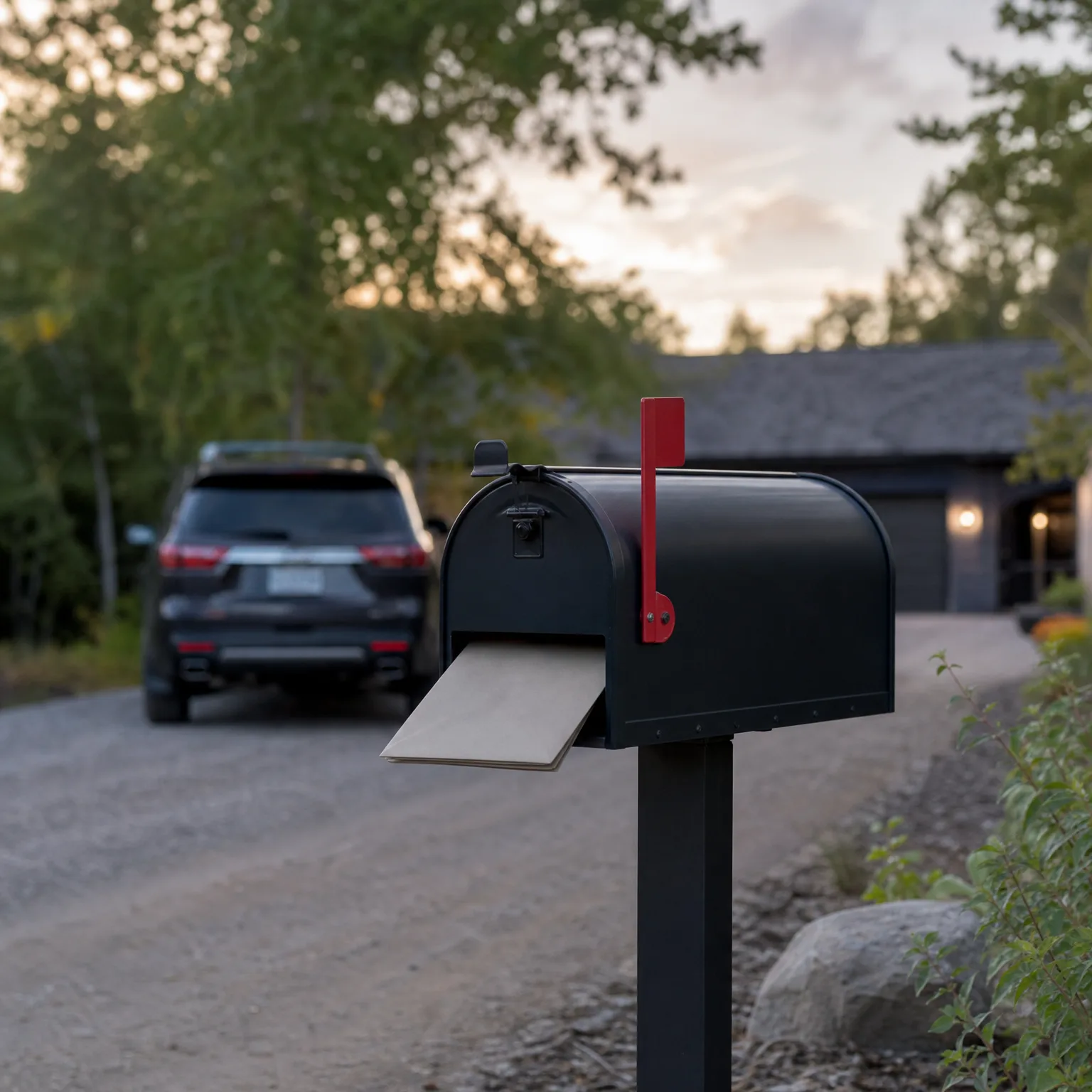
Carriers are not required to notify you before withdrawing your filing. The cancellation notice you receive in the mail is your only warning. By the time you open the envelope, your SR-22 is already withdrawn and your state's lapse clock is running.

Shop Again Now That Your Filing Has Ended
Compare Rates After SR-22How to Replace SR-22 Coverage After a Post-Issuance Decline
Start shopping the day you receive the cancellation notice. Most non-standard carriers that write SR-22 policies after a post-issuance decline require full underwriting upfront, which means you'll submit your MVR, CLUE report, and license status documentation before they'll quote you. This process takes 3 to 7 business days, and you're already inside your state's grace period.
Call carriers directly rather than using aggregators. Post-decline drivers are routed to specialty underwriting teams that don't appear in standard quote flows. Progressive, The General, and Acceptance write post-decline SR-22 policies in most states, but you need to speak to an underwriter who can manually review your file. Aggregator quotes will either return no results or route you to carriers that will decline you again once they run their own post-issuance review.
Be prepared to pay 40% to 90% more than your canceled policy cost. Post-decline SR-22 rates reflect the carrier's assumption that you're a higher risk than your original application suggested. If your first SR-22 policy cost $160/mo and was canceled for an unreported DUI, expect quotes in the $225 to $300/mo range from carriers willing to write you after the decline.

How Long a Post-Issuance Decline Affects Your SR-22 Rate
A post-issuance decline stays on your insurance history for three years from the cancellation date. Carriers treating it as a material misrepresentation event, which is rated similarly to a fraud flag or intentional non-disclosure. This means even after you replace your SR-22 coverage and complete your filing requirement, you'll see higher rates from most standard carriers until the decline ages off your CLUE and underwriting history.
The rate impact compounds with your underlying violation. If you were declined post-issuance because an unreported DUI surfaced, you're now rated for both the DUI and the decline. Carriers that would have written you at $140/mo with just the DUI will quote you at $210/mo with the DUI plus the post-issuance cancellation.
After your SR-22 requirement ends, shop aggressively. The post-decline event loses rating weight after 24 months, and most carriers stop surcharging for it entirely after 36 months. But you need to actively request quotes — your current carrier will not automatically lower your rate just because the decline aged off.
What You Can Do to Avoid a Post-Issuance Decline on Your Next SR-22 Policy
Order your own MVR and CLUE report before you apply for SR-22 coverage. Your state DMV sells certified MVR copies for $8 to $15, and LexisNexis provides free annual CLUE reports at personalreports.lexisnexis.com. Compare what appears on those reports against what you plan to disclose on your application. If there's a discrepancy, disclose the version that appears on the report, not the version you remember.
Disclose everything the carrier asks about, even if you're unsure whether it counts. If the application asks about accidents in the past three years and you filed a claim for a parking lot fender-bender, disclose it. Carriers define "accident" more broadly than drivers do, and the post-issuance review will surface any claim you filed, regardless of fault or payout.
Avoid applying for SR-22 coverage while you have pending violations or license actions that haven't posted to your record yet. If your court date was last week and your SR-22 filing deadline is in two weeks, wait until your conviction posts to your MVR before you apply. The 7- to 14-day delay is worth avoiding a post-issuance decline that costs you months of filing credit.
Frequently Asked Questions
Can a carrier cancel my SR-22 policy after I've already paid for it?
Yes. Carriers can cancel SR-22 policies mid-term if their post-issuance underwriting review surfaces unreported violations, accidents, or material misrepresentation on your application. The cancellation is effective immediately, and your SR-22 filing is withdrawn the same day.
Do I get a refund if my SR-22 policy is canceled after issuance?
Most carriers prorate your refund based on the number of days your policy was active. If you paid $480 for a six-month policy and it was canceled after 45 days, you'd receive a refund for the unused 135 days. The refund typically arrives 2 to 4 weeks after cancellation.
How long do I have to replace my SR-22 coverage after a mid-term cancellation?
Grace periods vary by state. Ohio allows 10 days, California allows 15 days, and Texas allows 30 days. If you don't file a replacement SR-22 within your state's grace period, your license is suspended and your filing requirement resets to day zero.
Will other carriers know my SR-22 policy was canceled post-issuance?
Yes. The cancellation appears on your CLUE report and insurance history for three years. Carriers see it during underwriting and treat it as a material misrepresentation event, which raises your rates even after you replace coverage.
What's the fastest way to get SR-22 coverage after a post-issuance decline?
Call non-standard carriers directly — Progressive, The General, and Acceptance write post-decline SR-22 policies in most states. Request manual underwriting and submit your MVR and CLUE report upfront. This process takes 3 to 7 business days, so start the day you receive your cancellation notice.
Related Articles

SR-22 Carrier Decline Review: What Triggers It After Filing
5/18/2026

SR-22 Canceled Without Notice? Here's What Happens Next
5/18/2026

SR-22 Non-Renewal: Replace Coverage Before the Lapse
5/18/2026

SR-22 Carrier Exits Mid-Filing: Replacement Urgency
5/18/2026

SR-22 Graduation: What Happens in the Final 90 Days
5/18/2026

Can't Afford SR-22 Insurance? Do This Before It Lapses
5/18/2026