
What You Should Pay for Car Insurance After SR-22 in South Carolina
Compare Rates After SR-22Post-SR22 Rates in South Carolina: The 30-Day Window Most Drivers Miss
Your SR-22 filing just ended in South Carolina, but your rate won't drop automatically. Most drivers assume their carrier will reduce premiums once the three-year filing period closes — they don't. Carriers writing SR-22 business in South Carolina (Progressive, GEICO through their non-standard subsidiaries, Safe Auto, Direct Auto) price you as high-risk until you shop and force a rate review. The gap between staying and switching averages $70/month for a clean post-SR22 driver.
South Carolina law required your SR-22 for three years from your conviction date, not your filing date. If you filed six months after your DUI, you were already halfway through before the clock started. Now that it's over, you're in the 30-day window where your rate is still locked at SR-22 levels but you're legally eligible for standard coverage. Most drivers wait until their policy renews — six months out — and lose $420 they didn't need to spend.
The carriers that wrote your SR-22 don't volunteer that you qualify for better rates elsewhere. They keep you at elevated pricing until you leave or specifically request a rate review with proof your filing ended. Shopping now, not at renewal, is the only way to see what post-SR22 rates actually look like for your profile.
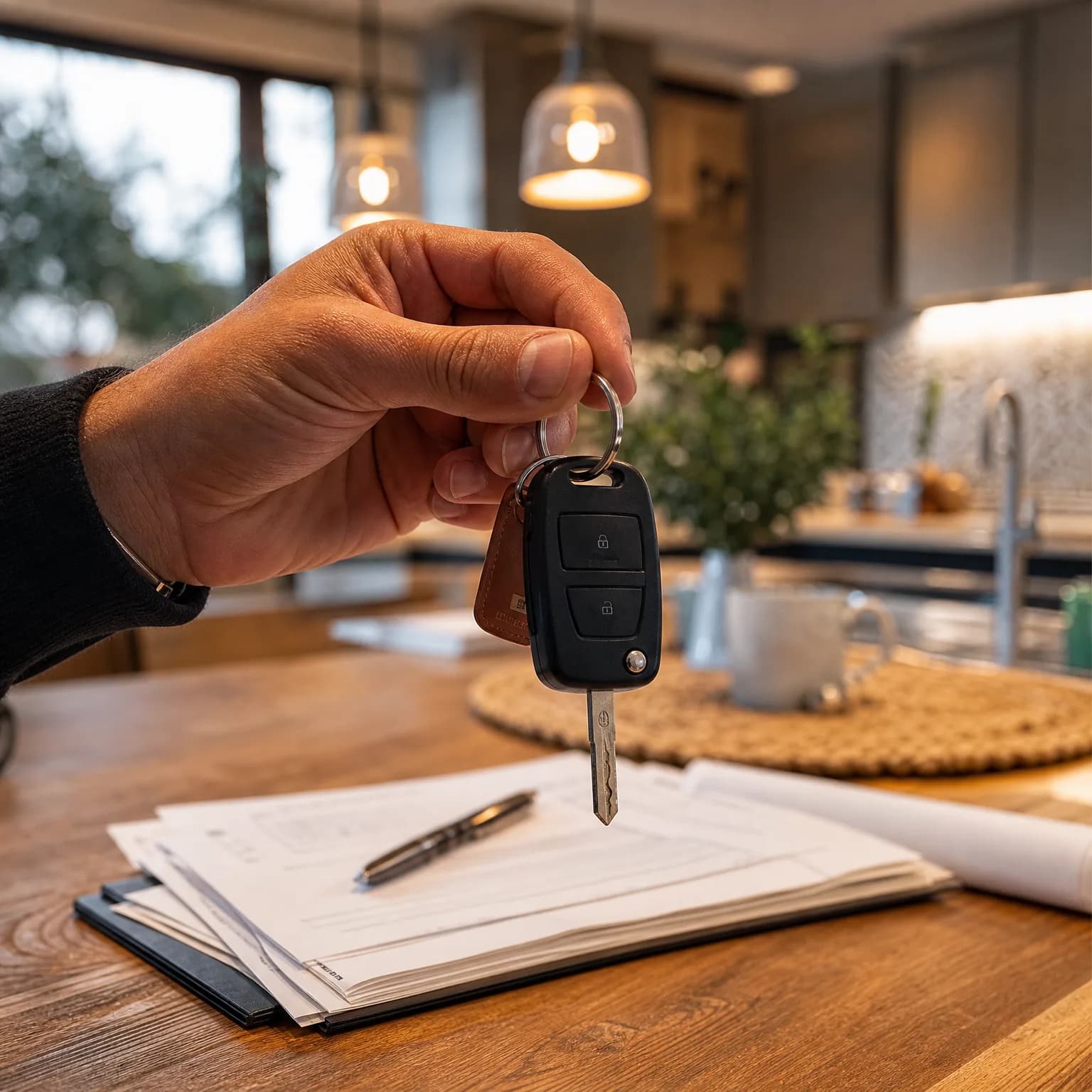
What Post-SR22 Drivers Actually Pay in South Carolina by Violation Type
Rate recovery after SR-22 depends on what triggered the filing. A DUI in South Carolina keeps you in elevated pricing longer than a lapse or multiple violations. Here's what drivers actually pay in the 12 months after their SR-22 ends, based on carrier quote data from South Carolina ZIP codes.
DUI (post-SR22, 3-4 years since conviction): $95–$160/month for state minimum liability ($25,000/$50,000/$25,000). Full coverage runs $185–$280/month. You're still priced 40–65% higher than a clean-record driver, but you've dropped from the 90–130% premium you carried during SR-22. Carriers pricing this tier: GEICO (standard division if no other violations), Progressive, State Farm (if you were a prior customer), Nationwide.
Multiple violations or at-fault accidents (post-SR22, 3-4 years since last incident): $80–$135/month for state minimum liability. Full coverage $160–$240/month. You're 30–50% above baseline. If your SR-22 was for points accumulation rather than a major violation, you drop faster — most carriers re-rate you at the 3-year mark if nothing new appears.
License suspension for lapse (post-SR22, 3 years clean): $70–$115/month for state minimum. Full coverage $140–$210/month. Lapse-triggered SR-22 is the lightest mark. If you've maintained continuous coverage since reinstatement, you're within 20–40% of standard rates immediately after filing ends. Some carriers (State Farm, Allstate) will quote you at near-standard rates if you can show 36 months of no lapses post-SR22.
These ranges assume no new violations, continuous coverage since reinstatement, and quotes from carriers actively writing post-SR22 business in South Carolina. Your actual rate depends on age, vehicle, county, and credit tier — but the violation type sets the floor.

The Rate Recovery Curve: When You Actually Reach Normal Pricing
Post-SR22 drivers in South Carolina don't return to standard rates on a fixed schedule. The timeline depends on your violation, your carrier, and whether you shop. Here's the typical curve for a DUI-triggered SR-22, the longest recovery path.
Months 1-6 (filing just ended): You're still priced 40–65% above baseline. If you stay with your SR-22 carrier, nothing changes. If you shop, you'll see quotes 15–25% lower than your current premium from carriers that segment post-SR22 drivers separately (Progressive, GEICO standard, Nationwide). The opportunity here is switching from a non-standard carrier (Safe Auto, Direct Auto) to a standard carrier willing to write post-SR22 — that's where the $70/month gap lives.
Months 6-12: Your rate drops another 10–15% if you're claims-free and haven't added violations. This happens automatically at renewal if you're with a standard carrier. If you're still with a non-standard carrier, you're locked at the same rate until you leave. Most post-SR22 drivers who shop in this window save $600–$900 annually compared to staying put.
Year 2-3 post-SR22: You're now 5-6 years past your DUI conviction. Carriers start pricing you closer to standard if your record stayed clean. Expect to be within 15–25% of baseline rates. Some carriers (State Farm, Allstate, Erie) require a full five years post-conviction before offering standard pricing, regardless of when your SR-22 ended. Others (GEICO, Progressive) will quote you at near-standard rates at the 4-year mark if nothing new appeared.
Year 4+ post-conviction: Most carriers drop the DUI surcharge entirely at year 5. A few (USAA for military members, Erie in certain underwriting tiers) drop it at year 4. If you're still paying more than 10% above baseline five years post-conviction with a clean record since, you're with the wrong carrier.
The key variable: shopping. Drivers who stay with their SR-22 carrier take 12-18 months longer to reach standard rates than drivers who shop immediately after filing ends.

Shop Again Now That Your Filing Has Ended
Compare Rates After SR-22Which Carriers Drop Rates Fastest for Post-SR22 Drivers in South Carolina
Not all carriers treat post-SR22 drivers the same. Some re-rate you automatically once your filing ends; others keep you at high-risk pricing until you leave. Here's how the major carriers writing in South Carolina handle post-SR22 transitions.
GEICO: Splits post-SR22 business between standard and non-standard subsidiaries. If your SR-22 was with GEICO Indemnity (their non-standard arm), you stay there until you request a rate review and re-quote through their standard division. Most drivers don't know to ask. If you call and specifically reference that your SR-22 ended and you want a standard-division quote, they'll re-underwrite you. Expect a 20–30% drop if approved. GEICO's standard division won't write you until you're at least 3 years post-conviction with no lapses.
Progressive: Automatically re-rates post-SR22 drivers at renewal if the filing period closed. No action required. You'll see a 15–25% drop at your next six-month renewal after SR-22 ends, assuming no new violations. Progressive writes more post-SR22 business in South Carolina than any other carrier and has the most granular post-SR22 pricing tiers. If you had your SR-22 with Progressive, staying through the first post-SR22 renewal is reasonable — but shop at month 7 to confirm you're getting their best rate.
State Farm: Won't write new post-SR22 drivers, but if you were a State Farm customer before your violation, they'll usually keep you and re-rate you favorably once SR-22 ends. Expect near-standard pricing within 6-12 months post-filing if you were a prior customer. If you're new to State Farm, they won't quote you until you're 4-5 years post-conviction.
Safe Auto, Direct Auto, The General: These non-standard carriers specialize in SR-22 and high-risk drivers, but they don't offer competitive post-SR22 rates. Once your filing ends, you're overpaying by staying. Most post-SR22 drivers with these carriers save 30–50% by switching to Progressive, GEICO standard, or Nationwide within 60 days of their SR-22 closing. These carriers count on inertia — don't give it to them.
The pattern: carriers that wrote your SR-22 rarely offer the best post-SR22 rate. Shop within 30 days of your filing ending to see the real market.

What Factors Besides Your SR-22 History Are Affecting Your Rate Now
Your SR-22 is gone, but other rating factors are still in play. South Carolina carriers price post-SR22 drivers on six variables beyond the violation itself. Here's what's moving your rate now.
Time since conviction: Every six months past your conviction date improves your rate, even after SR-22 ends. A driver 42 months post-DUI pays 15–20% less than a driver 36 months out, all else equal. The improvement curve flattens after year 4, but you're still seeing incremental drops until year 5 when most carriers zero out the surcharge entirely.
Continuous coverage: A single lapse after SR-22 ends resets your pricing to near-SR22 levels. South Carolina carriers treat post-SR22 lapses more harshly than pre-SR22 lapses — you've already proven you're a coverage risk. If you let coverage drop for even 10 days, expect quotes to jump 25–40%. Maintain continuous coverage from SR-22 end through year 5 post-conviction. Set up auto-pay.
Credit-based insurance score: South Carolina allows credit-based rating. A post-SR22 driver with good credit (720+) pays 20–35% less than a post-SR22 driver with poor credit (sub-600), same violation history. If your credit improved since you filed SR-22, that's worth $30–$50/month in premium reduction when you re-shop. Pull your credit before quoting — if it's risen, highlight it.
Coverage level: Minimum liability is $25,000/$50,000/$25,000 in South Carolina. Most post-SR22 drivers stay at minimums to save money, but increasing to $50,000/$100,000/$50,000 only adds $15–$25/month and protects you from a lawsuit that your minimum limits won't cover. If you caused an accident during your SR-22 period, higher limits are cheap insurance against a second financial hit.
Vehicle type: High-theft vehicles (Dodge Charger, Nissan Altima, Kia models without immobilizers) cost 20–40% more to insure post-SR22 than low-theft sedans (Honda Accord, Toyota Camry). If you're driving a high-risk vehicle and your rate isn't dropping post-SR22, the vehicle is the anchor. Switching to a lower-risk car can save more than switching carriers.
County: Charleston, Greenville, and Richland counties have the highest uninsured motorist rates in South Carolina, which raises your uninsured motorist coverage cost. Post-SR22 drivers in these counties pay 10–15% more than post-SR22 drivers in Spartanburg, Lexington, or York counties, same profile. Your county is fixed, but it explains why your quote doesn't match the statewide average.
The cleanest post-SR22 rate: 4+ years post-conviction, continuous coverage, good credit, liability-only or moderate vehicle, low-theft-rate county. If you're missing one of these, that's your next optimization target.
How to Compare Quotes Effectively as a Post-SR22 Driver
Post-SR22 drivers get wildly inconsistent quotes in South Carolina because carriers classify you differently. One carrier prices you as high-risk; another prices you as standard with a minor surcharge. Here's how to shop without getting low-balled or stuck in non-standard pricing.
Disclose your SR-22 history upfront. Some drivers omit their SR-22 when quoting, hoping to get standard rates and slot in quietly. This fails. Carriers pull your motor vehicle record at binding and re-rate you or cancel the policy if the violation doesn't match your application. You'll have disclosed a lapse (the cancellation) on your next application and get priced even higher. Always disclose. Carriers that won't write you post-SR22 will tell you immediately; carriers that will write you will price you accurately.
Request quotes from both standard and non-standard divisions. National carriers like GEICO, Progressive, and Nationwide run multiple underwriting companies — one standard, one non-standard. When you call or quote online, you're usually routed to one division based on your initial answers. If you're quoted through the non-standard arm, ask explicitly for a standard-division quote as well. The standard division may decline you, or they may offer a rate 20–30% lower. You won't know unless you ask.
Quote at 30 days, 6 months, and 12 months post-SR22. Your rate improves in steps, not smoothly. The biggest drop happens in the first six months post-SR22 if you're claims-free. If you only shopped once at day 1 post-SR22, you locked in a rate that's now outdated. Re-quote every six months for the first two years post-SR22. After that, annual checks are sufficient.
Don't optimize only on price. The cheapest post-SR22 quote is often from a carrier that will drop you at your first claim or non-renew you after six months if you file anything. Carrier stability matters. Progressive, GEICO standard, State Farm (if you qualify), and Nationwide have the best retention rates for post-SR22 drivers. Safe Auto, The General, and Direct Auto have the worst — they're cheap upfront but non-renew aggressively. A carrier that keeps you for three years at $110/month is better than a carrier that drops you after six months at $95/month, forcing you to re-shop at higher rates.
Shop smart: get 4-6 quotes, disclose fully, verify which underwriting division you're in, and prioritize carriers with strong post-SR22 retention. The lowest price today isn't always the lowest cost over three years.
Frequently Asked Questions
How much should I expect to pay for car insurance in South Carolina after my SR-22 ends?
$70–$160/month for liability-only coverage in the first 6 months post-SR22, depending on what triggered your filing. DUI-triggered SR-22 keeps you at the higher end; lapse-triggered SR-22 puts you at the lower end. Full coverage runs $140–$280/month. These rates assume you shop immediately after filing ends — staying with your SR-22 carrier keeps you at higher pricing.
Do I need to tell my insurance company when my SR-22 requirement ends in South Carolina?
Your carrier is notified automatically by the South Carolina DMV when your SR-22 filing period closes, but they won't drop your rate unless you request it or shop elsewhere. Most carriers keep you at SR-22 pricing until you call and ask for a rate review or switch to a different carrier. Shopping immediately after your SR-22 ends forces a rate reset.
How long does it take to get back to normal car insurance rates after SR-22 in South Carolina?
Most post-SR22 drivers in South Carolina reach near-normal rates 4-5 years after their conviction date if their record stays clean. A DUI takes the longest — you'll pay 40–65% above baseline in year 1 post-SR22, 15–25% above baseline in years 2-3, and return to standard pricing by year 5. Drivers who shop immediately after SR-22 ends reach normal rates 12-18 months faster than drivers who stay with their SR-22 carrier.
Which car insurance companies in South Carolina offer the best rates for drivers after SR-22?
Progressive and GEICO (standard division) offer the most competitive post-SR22 rates in South Carolina for drivers 3+ years past their conviction. State Farm offers near-standard rates if you were a prior customer before your violation. Avoid staying with non-standard carriers like Safe Auto or Direct Auto after your SR-22 ends — they don't drop rates competitively and you'll overpay by 30–50% compared to switching.
Will my car insurance rate drop automatically when my SR-22 ends in South Carolina?
No. Most carriers keep you at your current rate until you either request a rate review, shop for new quotes, or reach your policy renewal. Progressive re-rates automatically at renewal after SR-22 ends, but most other carriers don't. If you want a lower rate immediately after your SR-22 closes, you need to shop — don't wait for your carrier to volunteer a reduction.
Related Articles
Post-SR22 Car Insurance Costs in South Carolina
6/8/2026

Cheapest Full Coverage Post-SR-22 — South Carolina
6/8/2026

Post-SR-22 Car Insurance Rates in South Dakota
6/8/2026

Georgia SR-22: Post-Filing Rates & Recovery Timeline
5/18/2026

Post-SR22 Rate Shop: When Insurance Gets Cheaper
5/18/2026

Fastest Post-SR-22 Quote Pull in Georgia
6/8/2026