
SR-22 Without a Driver's License: Who Qualifies
Compare Rates After SR-22Can You File SR-22 With Only a State ID
Yes, in most states you can purchase non-owner SR-22 insurance and file the certificate with only a state ID — no valid driver's license required. The SR-22 is a financial responsibility filing, not a driving permit, so carriers will issue the policy and your state DMV will accept the filing.
But here's what carriers won't tell you up front: your SR-22 filing period may not start counting down until you have a valid license. In states where the SR-22 requirement is tied to license reinstatement, filing before you reinstate means you're paying premiums for coverage that doesn't advance your timeline. You'll complete the full filing period starting from the date you get your license back, not from the date you first filed.
This creates a coverage gap most drivers miss: you pay for 6 months of non-owner SR-22 while suspended, finally reinstate your license, and then learn you still owe 3 full years from reinstatement. That's 42 months of premiums, not 36. Before you buy non-owner SR-22 with just a state ID, confirm with your DMV whether your filing period starts immediately or only after reinstatement.

What Non-Owner SR-22 Actually Covers
Non-owner SR-22 is a liability-only policy for drivers who don't own a car. It covers bodily injury and property damage you cause while driving someone else's vehicle. It does not cover the car you're driving — that's the owner's responsibility — and it won't cover you if you regularly drive a vehicle registered to someone in your household.
The policy meets state minimum liability limits, typically $25,000/$50,000/$25,000 in most states, which satisfies the SR-22 filing requirement but leaves you personally liable for anything above those caps. If you cause $80,000 in injuries, you're on the hook for $30,000 out of pocket.
Carriers price non-owner SR-22 lower than standard auto policies because there's no collision or comprehensive coverage and no specific vehicle insured. Expect $40–$90/month for non-owner SR-22 as a high-risk driver with just a state ID, depending on your violation and state. But remember: this is liability coverage for driving you can't legally do until your license is reinstated.


When Filing Without a License Makes Sense
Filing SR-22 before reinstatement makes financial sense in two situations. First, if your state starts the filing clock from the date of filing, not the date of reinstatement. A handful of states allow this, meaning you can chip away at your 3-year requirement while suspended. Confirm this with your DMV before purchasing — most states do not work this way.
Second, if you're required to show proof of future insurance as a condition of reinstatement. Some states won't process your reinstatement application without an active SR-22 on file. In this case, you file SR-22 with a state ID, pay the reinstatement fee, and your license is restored with the SR-22 already active. The filing period starts from reinstatement, but you needed the policy in place first to unlock the process.
Outside these two scenarios, paying for non-owner SR-22 while suspended is throwing money at a clock that hasn't started. If your state requires SR-22 only after reinstatement and doesn't credit pre-reinstatement filings, wait until you have your license back, then file and start the clock when it actually counts.

Shop Again Now That Your Filing Has Ended
Compare Rates After SR-22How to Get Non-Owner SR-22 With Just a State ID
You'll need a non-standard or high-risk carrier — most national carriers don't write non-owner SR-22 for drivers with suspended licenses. Progressive, The General, and Direct Auto write non-owner policies in most states, but you'll typically go through a local independent agent who specializes in SR-22 rather than buying direct online.
The application asks for your state ID number, your violation details, and confirmation that you don't own a vehicle. You'll pay the first month's premium plus a $15–$50 SR-22 filing fee. The carrier electronically files the SR-22 certificate with your state DMV within 24–48 hours. You receive a copy by email or mail.
If you're filing before reinstatement to satisfy a pre-reinstatement requirement, bring the SR-22 proof and your reinstatement fee to the DMV. If you're filing after reinstatement, the DMV receives the SR-22 automatically and your filing period starts that day. Either way, confirm your filing start date in writing from the DMV — don't rely on the carrier's timeline or your own assumption. The DMV's records are the only ones that matter.
What Happens If You Let Non-Owner SR-22 Lapse
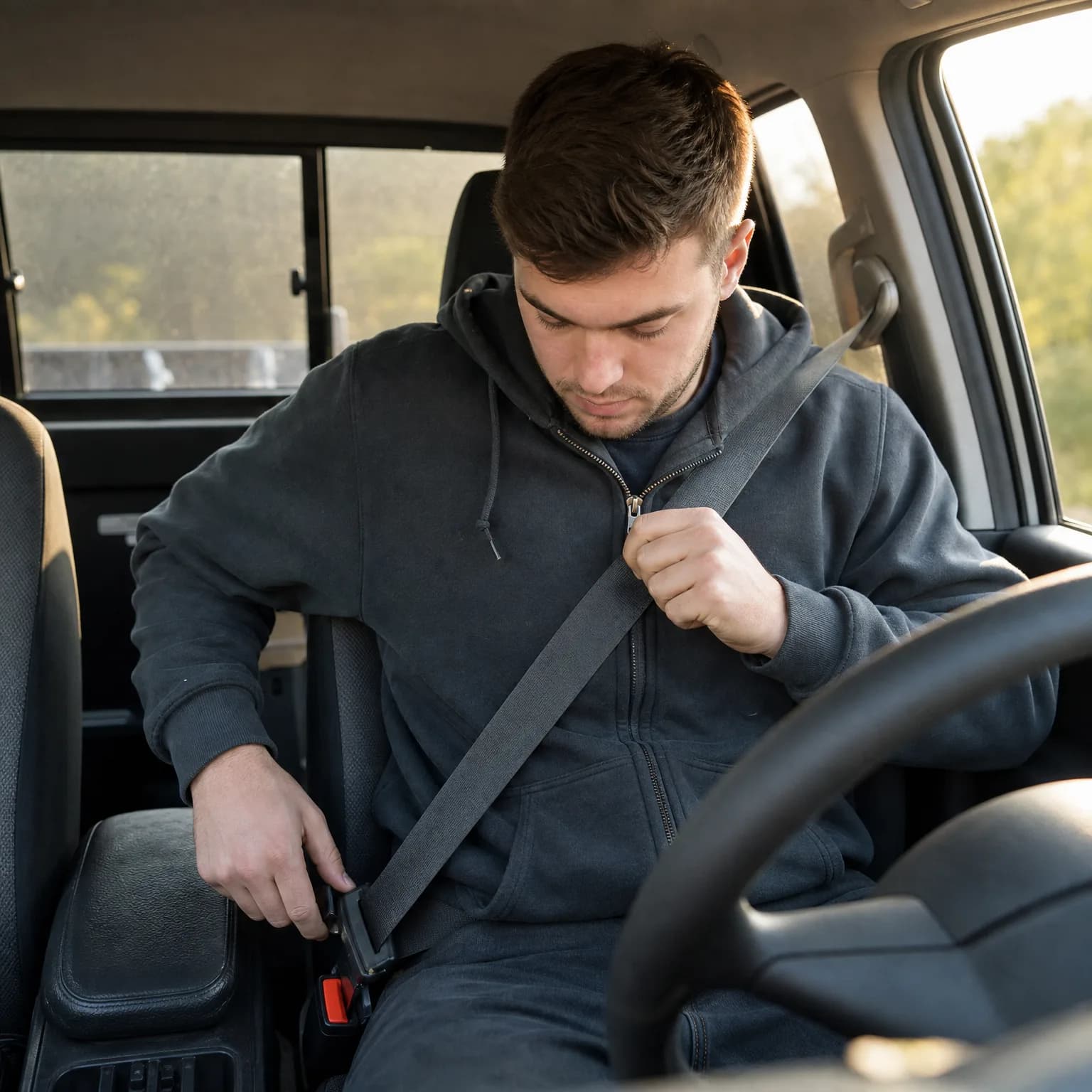
If you miss a premium payment or cancel your non-owner SR-22 policy, the carrier notifies the DMV within 10 days and your license is suspended again — even if you've already completed part of your filing period. Most states restart the SR-22 clock from zero after a lapse, meaning a 2-week coverage gap in year 2 resets you back to day 1 of a 3-year requirement.
This is the biggest financial trap for drivers filing SR-22 without a license. You're paying premiums for coverage you can't use, you forget about the policy because you're not driving, you miss a payment 8 months in, and the DMV suspends you again. When you reinstate the second time, you owe the full 3 years starting over.
Set up autopay from a bank account with consistent funds. Most SR-22 lapses happen because drivers assume the policy isn't "real" since they're not driving, so they don't treat it like a bill that matters. The DMV and your carrier treat it as a live policy with full lapse consequences. One missed payment can cost you thousands in extended premiums and a second reinstatement process.

Alternatives to Non-Owner SR-22 Before Reinstatement
If your state doesn't start the filing clock until after reinstatement and doesn't require pre-reinstatement proof of insurance, the cheapest path is to wait. Reinstate your license, then immediately file SR-22 and start the clock when premiums actually count.
If you need to show financial responsibility before reinstatement but don't want to pay for a full non-owner policy, check whether your state accepts a surety bond or cash deposit instead of SR-22. A handful of states allow a $50,000–$75,000 bond posted with the DMV as proof of financial responsibility. You pay a bond premium (typically 1–5% of the bond amount annually) rather than insurance premiums. This costs less than non-owner SR-22 if you're suspended for a long period.
Finally, if someone in your household owns a car and has insurance, ask their carrier whether they can add you as a listed driver with SR-22 endorsement even while your license is suspended. Some carriers allow this as a way to satisfy filing requirements without purchasing a separate non-owner policy. You'll increase their premium, but it's often cheaper than standalone non-owner SR-22, and the household policy keeps you from managing a second policy you're likely to forget about.
Frequently Asked Questions
Can I get SR-22 without a license in any state
Most states allow you to file non-owner SR-22 with only a state ID, but whether it counts toward your required filing period depends on your state's rules. Some states start the SR-22 clock from the filing date regardless of license status; others don't start the clock until you reinstate your license. Confirm with your DMV whether pre-reinstatement filings are credited before purchasing a policy.
How much does non-owner SR-22 cost with a suspended license
Non-owner SR-22 typically costs $40–$90/month for high-risk drivers, depending on your violation type and state. You'll also pay a one-time filing fee of $15–$50 when the carrier submits the SR-22 certificate to your DMV. This is cheaper than standard SR-22 because non-owner policies carry only liability coverage with no vehicle insured.
What happens if I buy non-owner SR-22 and then get my license back
If you reinstate your license and still don't own a car, your non-owner SR-22 stays active and continues covering you. If you buy or register a car after reinstatement, you must switch to a standard auto policy with SR-22 endorsement — non-owner policies exclude vehicles you own or regularly drive. Let your carrier know immediately when your driving situation changes to avoid a coverage gap.
Do I need SR-22 if I never plan to drive again
If your license is suspended and you're required to file SR-22 as a condition of reinstatement, you must maintain the filing for the full required period even if you don't plan to drive. The SR-22 requirement is tied to your legal record, not your intent to drive. If you never reinstate and never drive, most states eventually close the suspension, but the SR-22 obligation doesn't disappear — it waits until you attempt to reinstate.
Can I use a family member's insurance instead of buying non-owner SR-22
Some carriers allow you to be added as a listed driver on a family member's policy with an SR-22 endorsement, even if your license is suspended. This satisfies the filing requirement without purchasing a separate non-owner policy. Ask the family member's carrier directly — not all insurers allow this, and it will increase their premium, but it's often cheaper than standalone non-owner SR-22.
Related Articles

Non-Owner SR-22 Insurance Without a License Explained
5/18/2026

Non-Owner SR-22: Do I Need It Without a Car?
5/18/2026
Non-Owner SR-22 Insurance: Cost & How It Works
5/18/2026

Non-Owner SR-22: Set Up Filing Without a Car
5/18/2026
Do I Need SR-22 If I Never Plan to Drive Again?
5/18/2026

Owner vs Non-Owner SR-22: Cost & Coverage Differences
5/18/2026