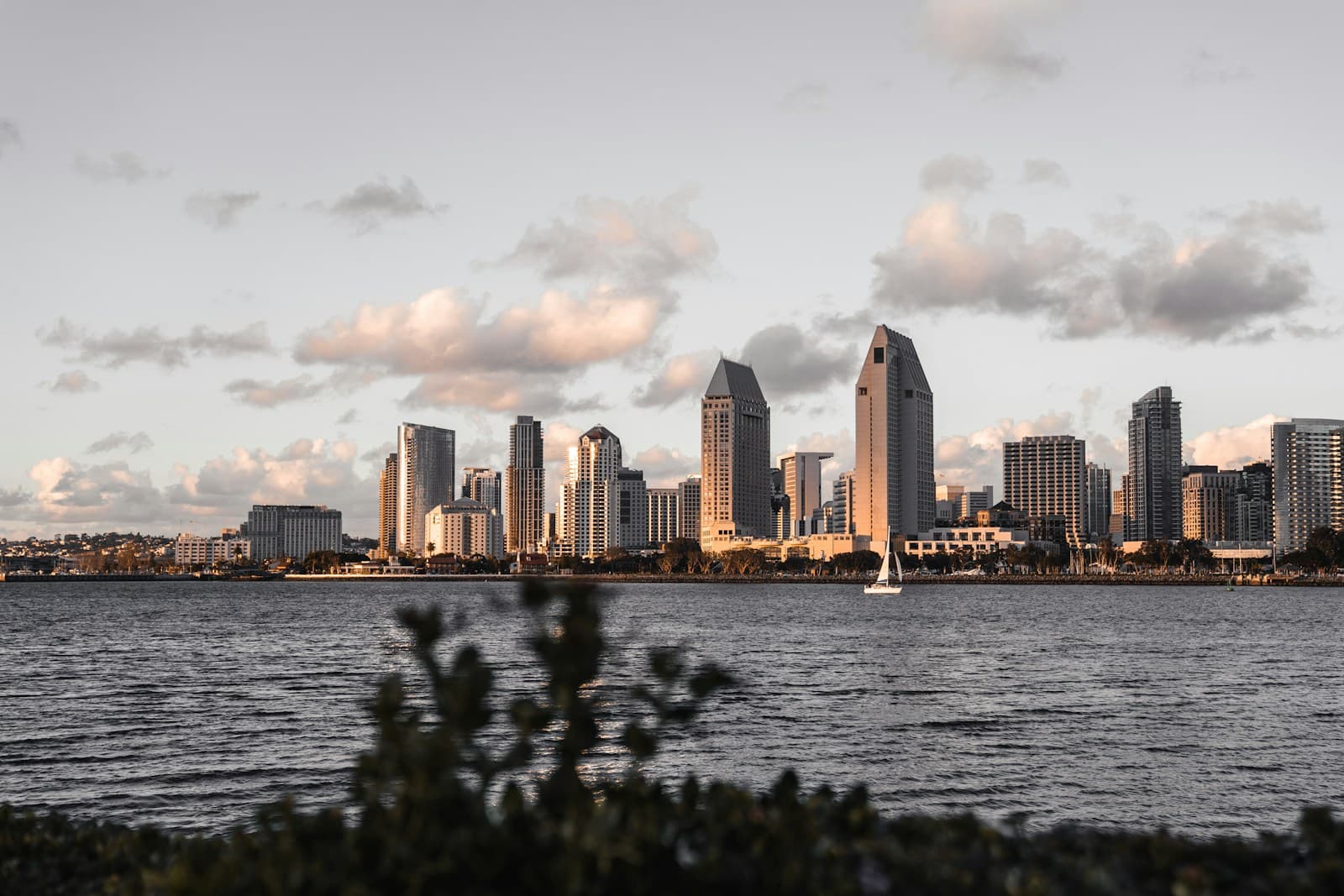
What Affects Rates in San Diego
- I-5 and I-8 Corridor Density: San Diego's heavily congested I-5 and I-8 corridors see elevated accident frequency, particularly during peak commute hours. Post-SR22 drivers with at-fault accidents already on record face 20–30% higher collision premiums in high-traffic ZIP codes like 92101, 92103, and 92108 compared to lower-density areas like Rancho Bernardo or Scripps Ranch.
- Border Proximity and Uninsured Motorist Rates: San Diego County's proximity to the Mexican border correlates with higher uninsured motorist rates—approximately 15% compared to the state average of 12%. For drivers exiting SR-22 status, uninsured/underinsured motorist coverage becomes critical, adding $30–$60/month but protecting against out-of-pocket costs from uninsured at-fault drivers.
- Downtown and Beach Community Vehicle Theft Rates: Neighborhoods like Pacific Beach, Ocean Beach, and Gaslamp Quarter report higher vehicle theft and vandalism rates than inland suburbs. Post-SR22 drivers financing vehicles in these ZIP codes will see comprehensive coverage mandates from lenders, with premiums 15–20% higher than in Poway or La Mesa due to theft risk.
- DUI Checkpoint Frequency in North County and East County: San Diego County operates regular DUI checkpoints along Highway 78, Highway 67, and coastal routes in North County and East County. Drivers who completed SR-22 for DUI should avoid lapses—any new violation within 10 years triggers another 3-year SR-22 filing and rate increases of 50–80% from current post-SR22 premiums.
- Year-Round Driving Conditions and Reduced Weather Claims: San Diego's mild, dry climate results in fewer weather-related comprehensive claims compared to Northern California or inland regions. Post-SR22 drivers benefit from slightly lower comprehensive premiums—typically $10–$20/month less than drivers in areas with frequent hail, flooding, or winter storm damage.
Find out exactly how long SR-22 is required in your state
Coverage Recommendations
Cost estimates are based on available industry data and vary by driver profile. These are not insurance quotes.
Liability Insurance
California minimum is 15/30/5, but post-SR22 drivers in San Diego should carry at least 50/100/50 due to the city's high number of uninsured drivers and at-fault tort system. Minimum liability premiums for post-SR22 drivers range $120–$220/month, while 50/100/50 adds $30–$50/month but reduces personal asset exposure in lawsuits.
$120–$270/mo for 50/100/50Estimated range only. Not a quote.
Uninsured Motorist Coverage
With approximately 15% of San Diego County drivers uninsured, UM/UIM coverage protects post-SR22 drivers from out-of-pocket medical and repair costs when hit by an at-fault uninsured driver. Adding 50/100 UM/UIM costs $30–$60/month but is essential for drivers who cannot afford a $15,000–$30,000 uncovered loss.
$30–$60/mo for 50/100 UM/UIMEstimated range only. Not a quote.
Comprehensive Coverage
Covers theft, vandalism, and non-collision damage—critical in high-theft areas like Pacific Beach and downtown San Diego. Post-SR22 drivers with financed vehicles must carry comprehensive; premiums range $60–$120/month depending on vehicle value and ZIP code, with coastal and downtown areas 15–20% higher than inland suburbs.
$60–$120/mo in high-theft areasEstimated range only. Not a quote.
Full Coverage
Combines liability, collision, and comprehensive—required for financed vehicles and strongly recommended for post-SR22 drivers with at-fault accidents. Full coverage in San Diego ranges $220–$420/month for drivers recently off SR-22, with rates dropping 15–25% in the first year as the violation ages and 40–50% after three years with no new incidents.
$220–$420/mo post-SR22Estimated range only. Not a quote.