What Affects Rates in Evanston
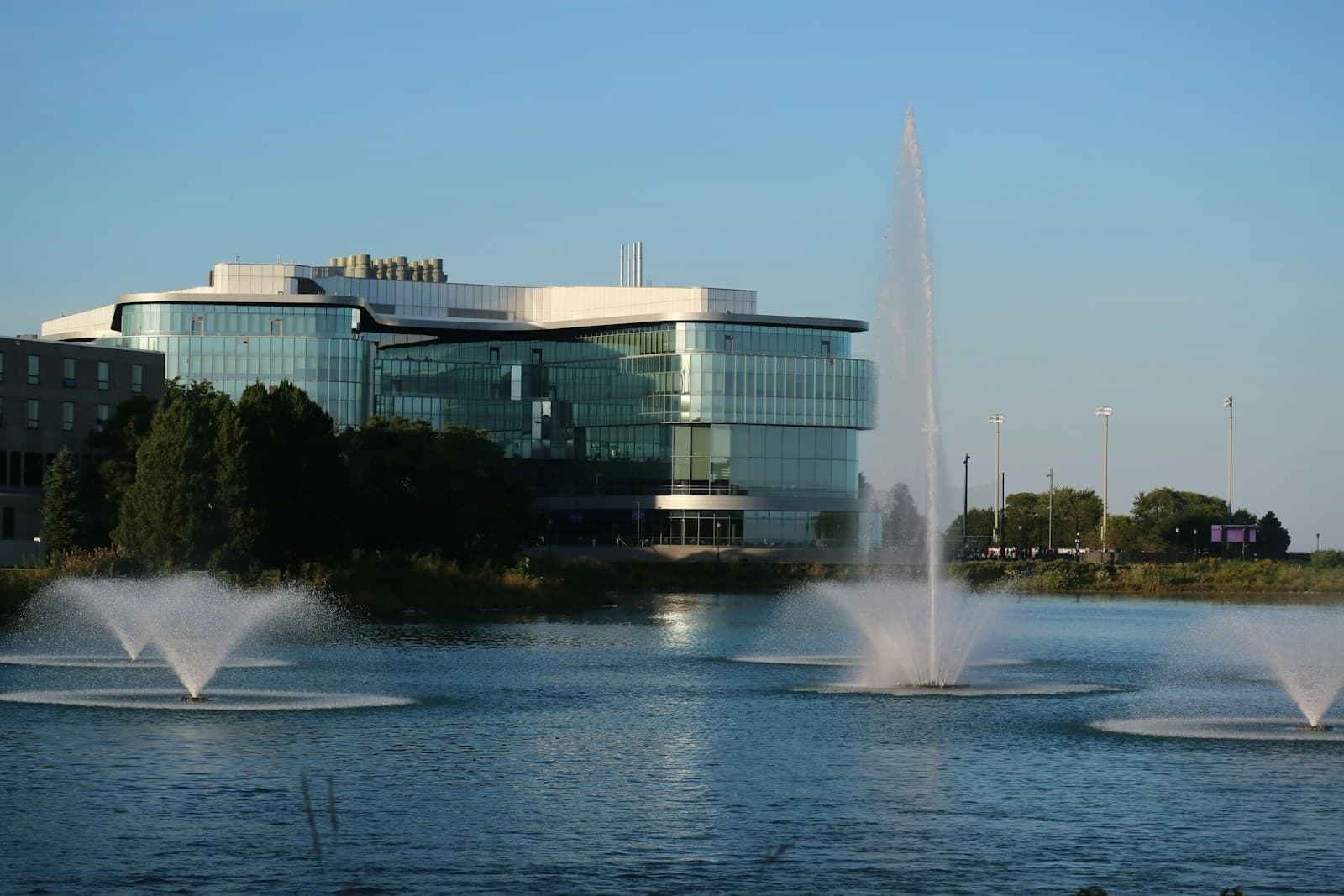
- Northwestern University District Traffic: The university corridor along Sheridan Road and Clark Street generates elevated accident frequency, particularly during academic year start and end periods. Post-SR22 drivers in 60201 and 60208 zip codes typically see 6–10% higher comprehensive and collision premiums than northwest Evanston addresses.
- Lake Shore Drive Commute Corridor: Evanston drivers commuting south on Lake Shore Drive into Chicago face higher liability exposure due to dense rush-hour traffic and elevated accident rates along the lakefront corridor. Insurers treating Evanston as a Chicago-adjacent market apply urban rating factors that add $15–$35/mo to post-SR22 policies compared to inland suburbs.
- Cook County Court Processing Times: SR-22 violations processed through Cook County Circuit Court in Skokie can take 45–90 days for final disposition, delaying the start of your three-year filing period. Drivers should verify their SR-22 start date with the Illinois Secretary of State to ensure accurate rate recovery timeline calculations.
- Winter Weather Claim Frequency: Lake-effect snow and ice conditions along Evanston's lakefront increase winter collision claims by 20–30% compared to milder months. Post-SR22 drivers with a weather-related at-fault accident see slower rate recovery, as insurers weight recent claims more heavily than older SR-22 filings.
- Illinois Uninsured Motorist Rate: Illinois carries an uninsured motorist rate near 13%, with Cook County concentrations slightly higher in adjacent Chicago neighborhoods. Post-SR22 drivers should prioritize uninsured motorist coverage at 100/300 limits, as a hit-and-run or uninsured claim won't reset your rate recovery clock if you're not at fault.
Find out exactly how long SR-22 is required in your state
Coverage Recommendations
Cost estimates are based on available industry data and vary by driver profile. These are not insurance quotes.
Liability Insurance
Illinois requires 25/50/20 minimums, but post-SR22 drivers should carry 100/300/100 to protect against asset exposure and demonstrate lower risk to insurers. Higher liability limits can reduce your overall premium by 3–7% at carriers that tier favorably for responsible post-violation coverage choices.
$85–$170/mo for 100/300/100 in EvanstonEstimated range only. Not a quote.
Full Coverage
Full coverage combining liability, collision, and comprehensive costs post-SR22 drivers $140–$280/mo in Evanston during the first year after filing ends. Rates drop 15–25% at 12 months clean, with the steepest reductions occurring between months 12 and 24 if no new violations appear.
$140–$280/mo first year post-SR22Estimated range only. Not a quote.
Uninsured Motorist Coverage
With Cook County's elevated uninsured driver concentration, UM/UIM coverage at 100/300 limits protects your rate recovery timeline by covering injuries from uninsured or hit-and-run drivers without triggering an at-fault claim. Adds $18–$35/mo to post-SR22 policies in Evanston.
$18–$35/mo for 100/300 limitsEstimated range only. Not a quote.
Comprehensive Coverage
Covers non-collision damage including theft, weather, and vandalism — critical for Evanston's winter ice storms and lake-effect conditions. Post-SR22 drivers with a $500 deductible pay $45–$85/mo for comprehensive, with lakefront addresses seeing 8–12% higher premiums than inland locations.
$45–$85/mo with $500 deductibleEstimated range only. Not a quote.