What Affects Rates in Boston
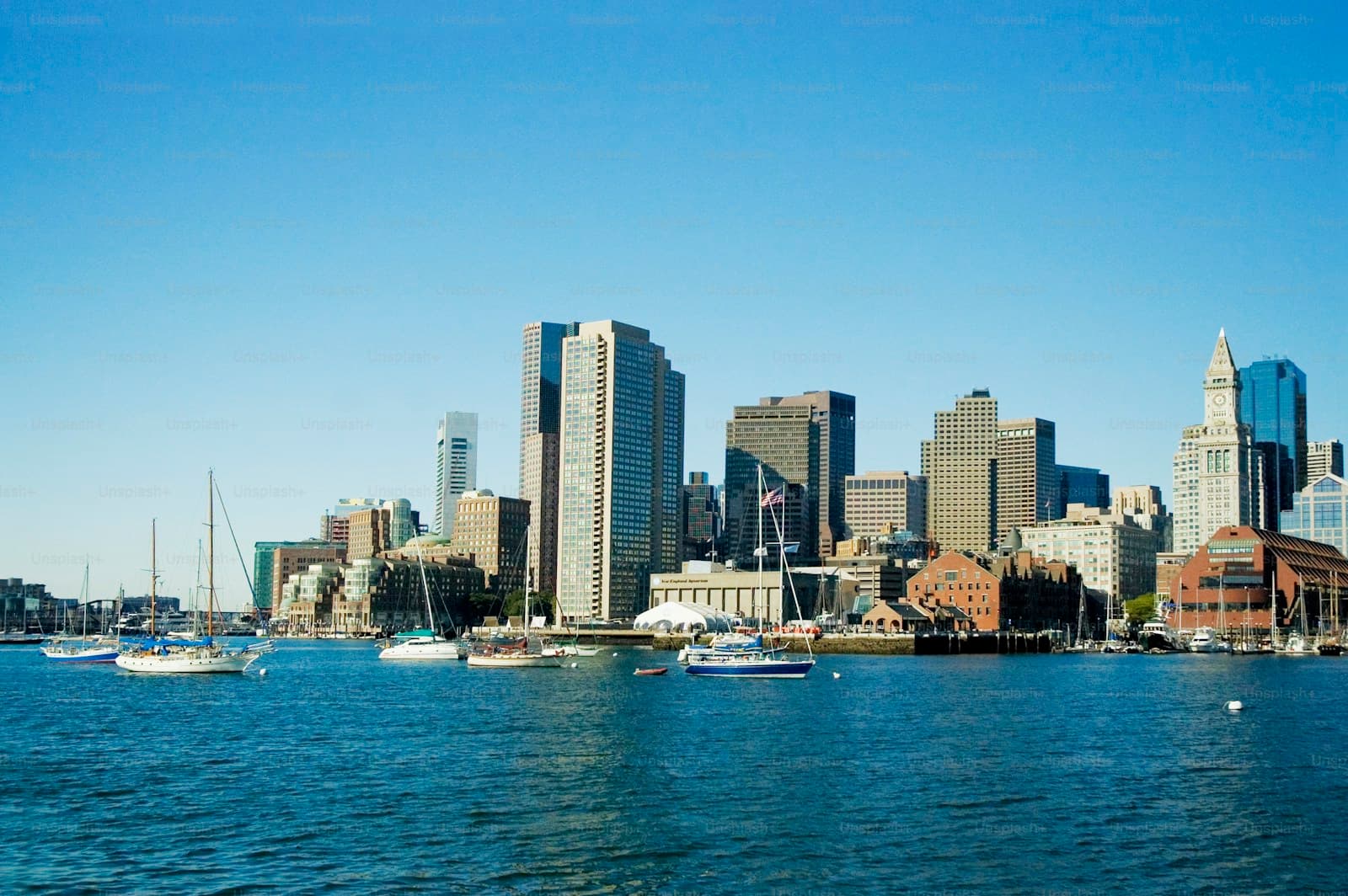
- Downtown Traffic Density: Boston's congested streets—particularly in the Financial District, Back Bay, and around Fenway—result in elevated collision frequency for post-SR-22 drivers, pushing premiums 10–18% higher than suburban Massachusetts averages. Stop-and-go traffic and aggressive lane changes amplify risk profiles insurers price into high-risk policies.
- Elevated Uninsured Motorist Exposure: Massachusetts uninsured driver estimates hover near 4–6%, but Boston's higher population density concentrates these drivers in shared roadways, making uninsured motorist coverage particularly valuable for post-SR-22 drivers who cannot afford another at-fault claim. Carriers factor this exposure into premium calculations.
- Winter Weather and Road Conditions: Boston's harsh winters—frequent snow, ice, and potholes—increase comprehensive and collision claims for high-risk drivers, as insurers view prior violations as predictors of future claims during adverse conditions. Premiums reflect year-round weather risk even if violations occurred in summer months.
- Registry of Motor Vehicles Monitoring: The Massachusetts RMV tracks SR-22 compliance closely, and any lapse triggers immediate suspension, which resets the 3-year clock and spikes premiums 40–70% upon reinstatement. Boston drivers face rapid enforcement due to centralized electronic reporting between insurers and the RMV.
- Public Transit Availability vs. Insurance Necessity: While Boston's MBTA offers extensive transit, most post-SR-22 drivers still need personal vehicles for work or family, eliminating the option to drop coverage and forcing them to navigate high-risk markets. Carriers know this reduces bargaining power, which can sustain elevated premiums unless drivers actively shop.
Find out exactly how long SR-22 is required in your state
Coverage Recommendations
Cost estimates are based on available industry data and vary by driver profile. These are not insurance quotes.
Liability Insurance
Massachusetts mandates 20/40/5 minimums, but post-SR-22 drivers in Boston should consider 100/300/100 to protect assets in the city's high-litigation environment. Bodily injury claims in densely populated areas settle higher, and minimum limits leave you exposed to personal liability.
$95–$180/mo for 100/300/100 post-SR-22Estimated range only. Not a quote.
Full Coverage
Combines liability, collision, and comprehensive—essential for post-SR-22 drivers financing vehicles or protecting equity. In Boston's tight parking and high theft corridors (Roxbury, Dorchester), comprehensive claims are frequent, making this package critical despite the $185–$340/month cost during early recovery years.
$185–$340/mo first year post-SR-22Estimated range only. Not a quote.
Uninsured Motorist Coverage
Protects you when hit by drivers without insurance—a real risk in Boston where 4–6% of drivers operate uninsured. Post-SR-22 drivers cannot afford another at-fault claim if an uninsured driver causes injury, making this coverage a defensive necessity.
$15–$35/mo added to policyEstimated range only. Not a quote.
Comprehensive Coverage
Covers theft, vandalism, weather damage, and animal strikes—all elevated risks in Boston's urban neighborhoods and harsh winters. Post-SR-22 drivers see higher deductibles ($500–$1,000) but need this protection given the city's vehicle theft rates and parking density.
$50–$110/mo post-SR-22Estimated range only. Not a quote.