What Affects Rates in Worcester
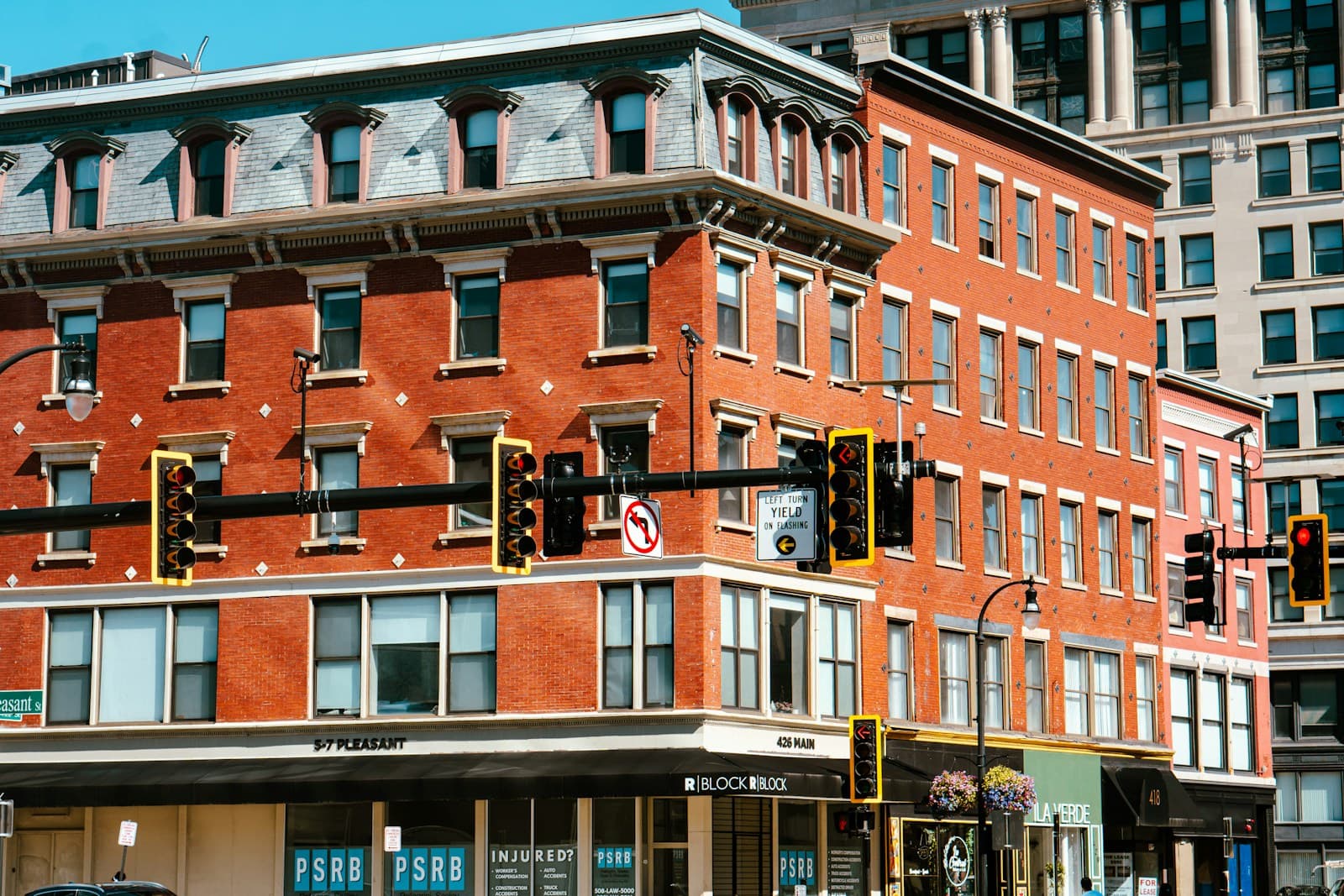
- Worcester Urban Density Traffic Patterns: Worcester's downtown grid and I-290/Route 9 corridors see consistent congestion during commute hours, elevating accident frequency for high-risk drivers. Carriers apply higher base rates to ZIP codes in Main South, Piedmont, and downtown areas where rear-end and intersection collisions occur more frequently, directly affecting post-SR-22 premiums by 12–18% compared to Auburn or Shrewsbury.
- Massachusetts Safe Driver Insurance Plan (SDIP): Post-SR-22 drivers in Worcester face SDIP surcharges based on at-fault accidents and violations recorded in the preceding 6 years. A single at-fault accident adds 4 SDIP points, typically increasing premiums by 30–40% for 6 years from incident date, compounding the post-SR-22 rate recovery timeline for drivers with multiple incidents.
- Winter Weather Claim Frequency: Worcester averages 60+ inches of snow annually, creating elevated comprehensive and collision claim rates from November through March. Post-SR-22 drivers maintaining full coverage face winter-weather rate adjustments of 8–12% citywide, with steeper increases in hill neighborhoods where ice-related claims cluster.
- Uninsured Motorist Concentration: Worcester's urban core neighborhoods report uninsured driver rates approximately 10–14% above state averages based on industry claim data. This elevates uninsured motorist coverage costs for post-SR-22 drivers by $15–$30/month and increases total loss exposure, particularly in Main South and Great Brook Valley areas.
- Court System Processing for License Reinstatement: Worcester District Court processes license reinstatement hearings for drivers completing SR-22 requirements, with typical hearing-to-reinstatement timelines of 3–6 weeks. Delays in reinstatement extend high-risk rating periods, costing drivers an additional $40–$80/month while waiting for full license restoration and standard-market eligibility.

Find out exactly how long SR-22 is required in your state
Coverage Recommendations
Cost estimates are based on available industry data and vary by driver profile. These are not insurance quotes.
Liability Insurance
Massachusetts requires minimum 20/40/5 liability limits, but post-SR-22 drivers in Worcester should carry 100/300/100 to protect against at-fault claims in the city's high-density traffic areas. Raising limits from state minimums to 100/300/100 costs an additional $25–$45/month but prevents personal asset exposure in Worcester's increasingly litigious accident environment.
$95–$175/month for 100/300/100 limitsEstimated range only. Not a quote.
Full Coverage
Full coverage combining liability, collision, and comprehensive is essential for post-SR-22 drivers financing vehicles in Worcester, where winter weather and urban parking create elevated physical damage risk. Expect to pay $145–$280/month during the first 6 months post-filing, with gradual decreases as time passes and your record clears—shopping every 6–12 months accelerates rate recovery by 15–25%.
$145–$280/month first 6 months post-SR-22Estimated range only. Not a quote.
Comprehensive Coverage
Comprehensive covers non-collision losses including Worcester's winter ice damage, theft in downtown parking areas, and vandalism concentrated in high-density neighborhoods. Post-SR-22 drivers pay $40–$75/month for comprehensive with a $500 deductible; raising the deductible to $1,000 reduces monthly costs by $12–$18 if you have emergency savings to cover claims.
$40–$75/month with $500 deductibleEstimated range only. Not a quote.
Uninsured Motorist Coverage
Uninsured motorist coverage protects post-SR-22 drivers from Worcester's above-average uninsured driver population, particularly in urban core ZIP codes. Carrying UM limits matching your liability coverage costs $20–$40/month and prevents out-of-pocket medical and repair costs when hit by an uninsured driver—essential in Main South and Green Island neighborhoods where uninsured rates run highest.
$20–$40/month for 100/300 UM limitsEstimated range only. Not a quote.