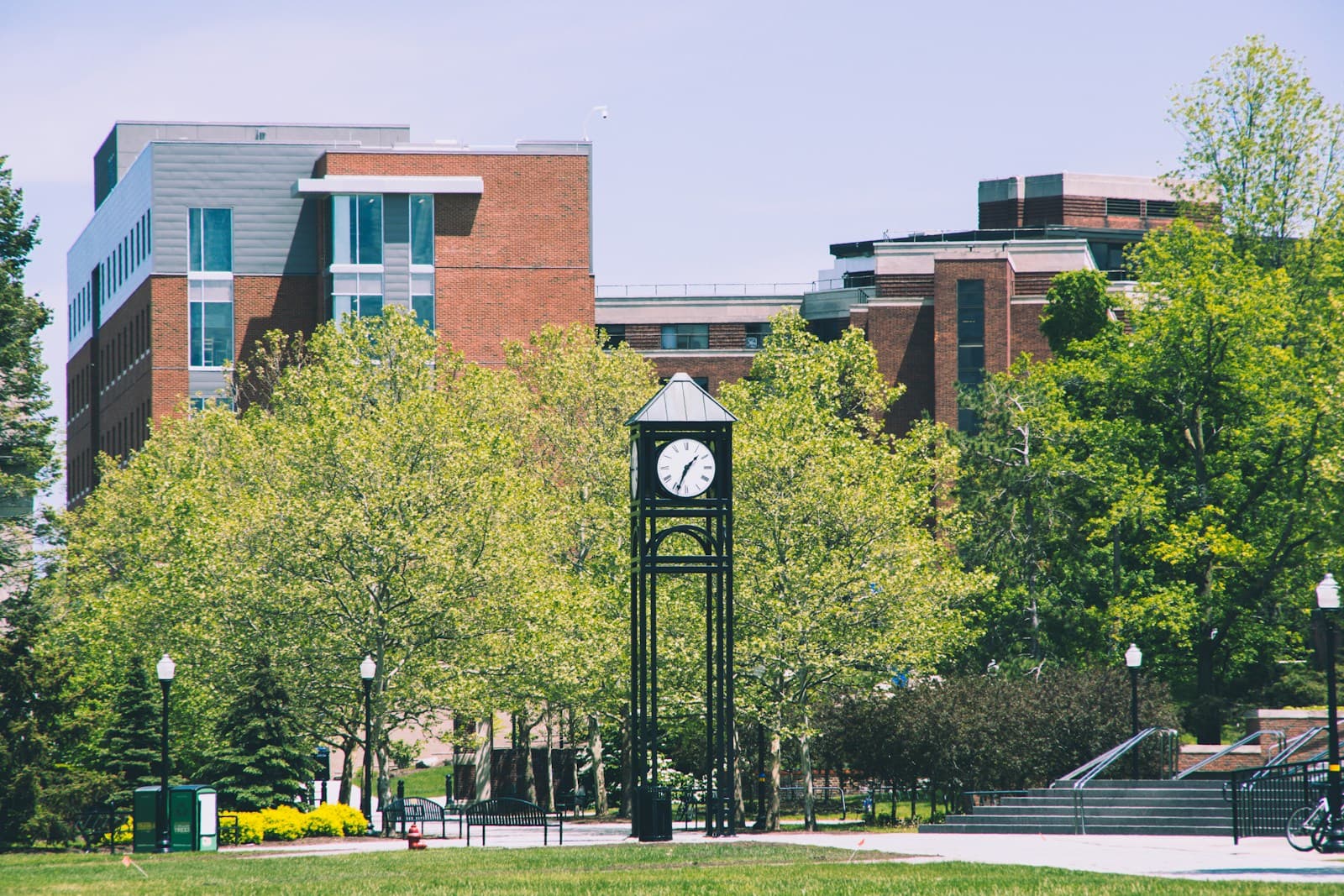
What Affects Rates in Rochester
- Route 16 and Spaulding Turnpike Corridor Traffic: Rochester sits at the junction of Route 16 and the Spaulding Turnpike, creating concentrated commuter and commercial traffic patterns that elevate accident frequency. Post-SR22 drivers in these high-traffic corridors typically see 8–15% higher collision coverage costs compared to rural Strafford County locations.
- Strafford County Court Processing Times: DUI and major violation cases processed through Strafford County Superior Court in Dover can take 4–8 months from arrest to final disposition, extending the period before your SR-22 clock officially starts. Drivers who plead early and complete their requirement faster often reach their 24-month rate drop 6–12 months ahead of those with prolonged court timelines.
- Winter Driving Conditions on Route 11 and Route 202A: Rochester's position in the Lakes Region means frequent lake-effect snow and ice conditions November through March, particularly on Route 11 heading toward Alton and Route 202A toward Barrington. Post-SR22 drivers with at-fault winter accidents see comprehensive and collision premiums rise an additional 12–20% due to repeat weather-related claims risk.
- Limited Non-Standard Carrier Competition: Rochester has fewer non-standard and high-risk carrier offices compared to Manchester or Portsmouth, meaning post-SR22 drivers often work with regional independent agents rather than local storefronts. Shopping at least 3–4 carriers that actively write post-SR22 business in New Hampshire can yield rate differences of $40–$90/mo for identical coverage.
- Seacoast Commuter Rate Pressure: Many Rochester residents commute to Portsmouth, Dover, and the Seacoast for work, adding 20–40 miles of daily highway exposure. Carriers price this commute pattern into post-SR22 rates, with drivers reporting annual mileage over 15,000 paying 10–18% more than those with local-only driving profiles.

Find out exactly how long SR-22 is required in your state
Coverage Recommendations
Cost estimates are based on available industry data and vary by driver profile. These are not insurance quotes.
Liability Insurance
New Hampshire doesn't mandate auto insurance, but SR-22 filing means you're court-ordered to carry at least 25/50/25 limits continuously for 3 years. Post-SR22 drivers typically maintain these minimums for the first 6–12 months ($85–$140/mo), then upgrade to 100/300/100 as rates normalize to reduce personal asset exposure.
$85–$140/mo for state minimums post-SR22Estimated range only. Not a quote.
Full Coverage
Full coverage (liability + collision + comprehensive) for post-SR22 drivers in Rochester runs $145–$285/mo depending on time since filing ended and vehicle value. The 24-month mark typically triggers a 20–30% rate drop as your violation ages out of the highest-risk pricing tier, making this the ideal time to re-shop and lock in lower rates.
$145–$285/mo depending on recovery phaseEstimated range only. Not a quote.
Uninsured Motorist Coverage
With 10–12% of New Hampshire drivers uninsured and no state insurance mandate, uninsured/underinsured motorist coverage is critical for post-SR22 drivers who can't afford another at-fault claim. UM/UIM adds $15–$30/mo to your policy but protects you if an uninsured driver causes your next accident, preventing a second SR-22 cycle.
$15–$30/mo added to policy costEstimated range only. Not a quote.
Comprehensive Coverage
Comprehensive covers non-collision damage like winter ice, deer strikes on Route 16, and theft in Rochester's higher-density areas near the downtown mills district. Post-SR22 drivers with financed vehicles pay $35–$75/mo for comprehensive depending on deductible choice, with higher deductibles ($1,000 vs $500) cutting monthly costs by $10–$18.
$35–$75/mo for typical vehiclesEstimated range only. Not a quote.