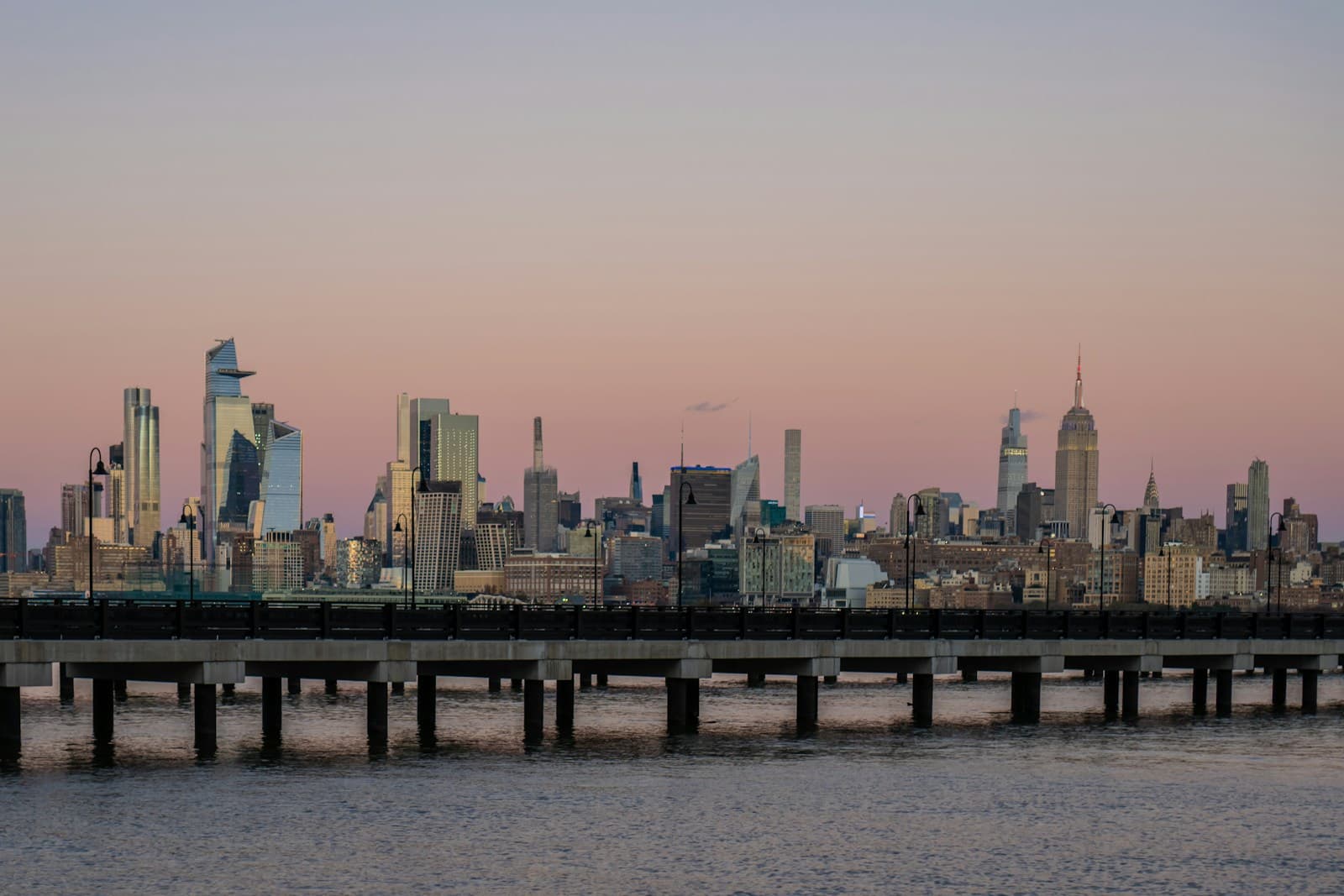
What Affects Rates in Jersey City
- Route 1-9 and Turnpike Corridor Density: Jersey City sits at the intersection of Route 1-9, the New Jersey Turnpike, and Holland Tunnel access, creating elevated accident frequency along these corridors. Drivers with past violations living or commuting near these zones typically face higher premiums due to heightened risk exposure in post-SR22 underwriting models.
- Urban Density and Parking Risk: With over 16,000 residents per square mile and limited street parking in neighborhoods like Downtown and the Waterfront, comprehensive coverage costs for post-SR22 drivers run $150–$250/year higher than suburban Hudson County areas due to elevated theft and vandalism risk.
- Uninsured Driver Concentration: New Jersey's uninsured motorist rate runs approximately 13%, with higher concentrations in urban corridors like Jersey City. Post-SR22 drivers shopping for coverage should prioritize uninsured motorist coverage at limits matching their liability minimums, as collision with uninsured drivers can trigger rate increases even when not at fault.
- Port Authority and Commercial Traffic Mix: Jersey City's proximity to Port Newark and commercial freight routes means higher exposure to large vehicle accidents. Carriers adjust premiums for drivers with past violations accordingly, particularly for policies covering commutes along Routes 1-9, 78, and 440.
- Three-Year Violation Lookback Period: New Jersey carriers typically apply surcharges for three years from the violation date, not the SR-22 filing date. A Jersey City driver whose SR-22 ended in 2024 but whose DUI occurred in 2021 will see meaningful rate drops at the three-year mark in 2024, with full recovery often taking 4–5 years for major violations.
Find out exactly how long SR-22 is required in your state
Coverage Recommendations
Cost estimates are based on available industry data and vary by driver profile. These are not insurance quotes.
Liability Insurance
New Jersey mandates $15,000 per person/$30,000 per accident for bodily injury and $5,000 property damage, but post-SR22 drivers in Jersey City should carry $100,000/$300,000/$100,000 or higher due to elevated accident risk along urban corridors and tunnel routes. Minimum limits leave you exposed to lawsuits in a high-cost metro area.
$85–$180/mo for post-SR22 drivers at 100/300/100Estimated range only. Not a quote.
Full Coverage
Combining liability, collision, and comprehensive, full coverage for Jersey City post-SR22 drivers typically runs $175–$350/mo depending on time since violation and vehicle value. The rate drops 15–25% at the one-year post-SR22 mark and another 20–30% at three years for most violation types.
$175–$350/mo typical post-SR22 rangeEstimated range only. Not a quote.
Uninsured Motorist Coverage
With approximately 13% of New Jersey drivers uninsured and higher concentrations in urban areas, uninsured motorist coverage is critical for Jersey City post-SR22 drivers. Match your liability limits; an uninsured driver collision can trigger rate increases even when you're not at fault, extending your rate recovery timeline.
$15–$40/mo additional for 100/300 limitsEstimated range only. Not a quote.
Comprehensive Coverage
Covers theft, vandalism, and weather damage — particularly relevant in Jersey City's dense parking environment and flood-prone zones near the waterfront. Post-SR22 drivers with financed vehicles must carry this, and it typically adds $75–$150/mo to your premium depending on vehicle value and deductible choice.
$75–$150/mo depending on vehicle and deductibleEstimated range only. Not a quote.