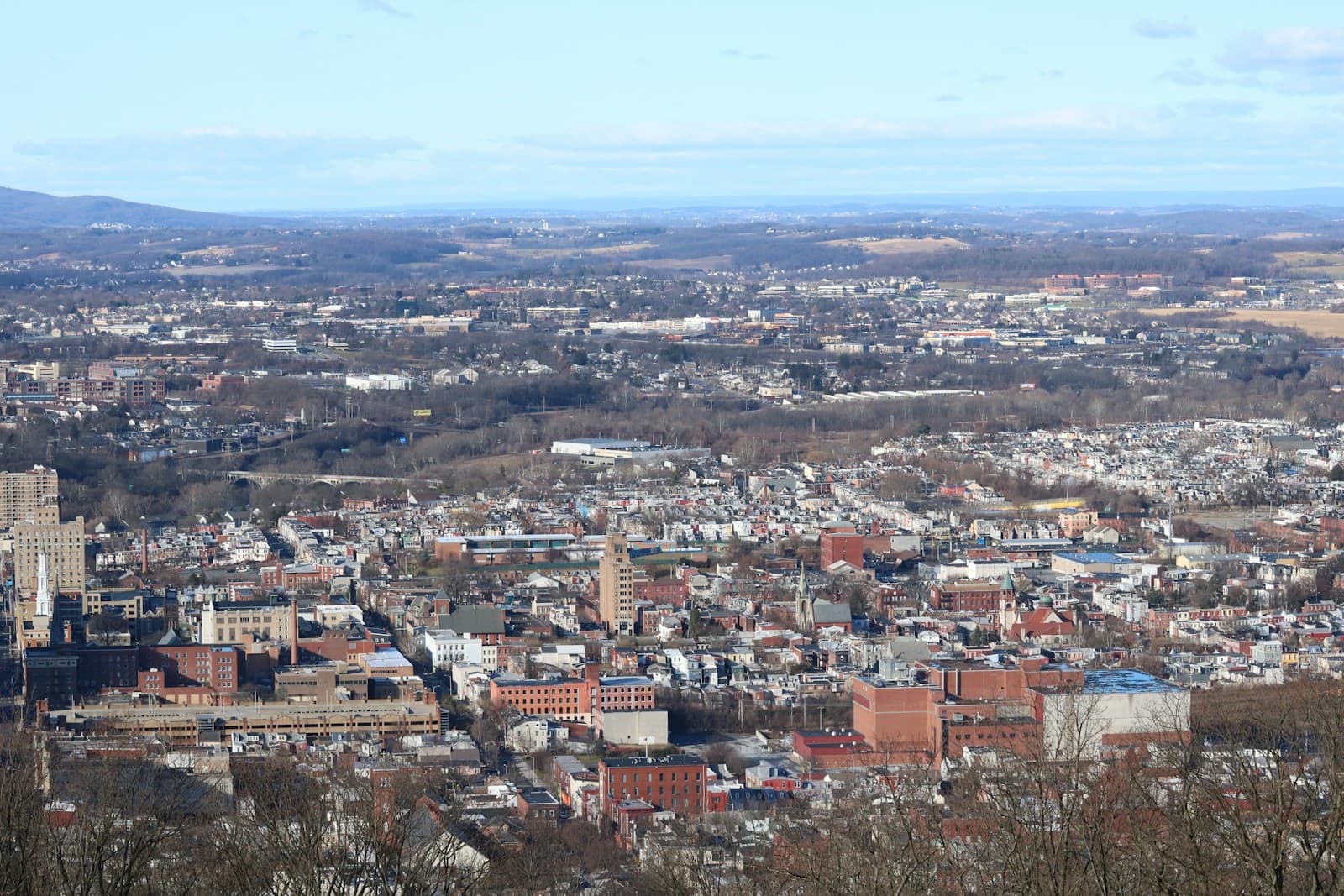
What Affects Rates in Reading
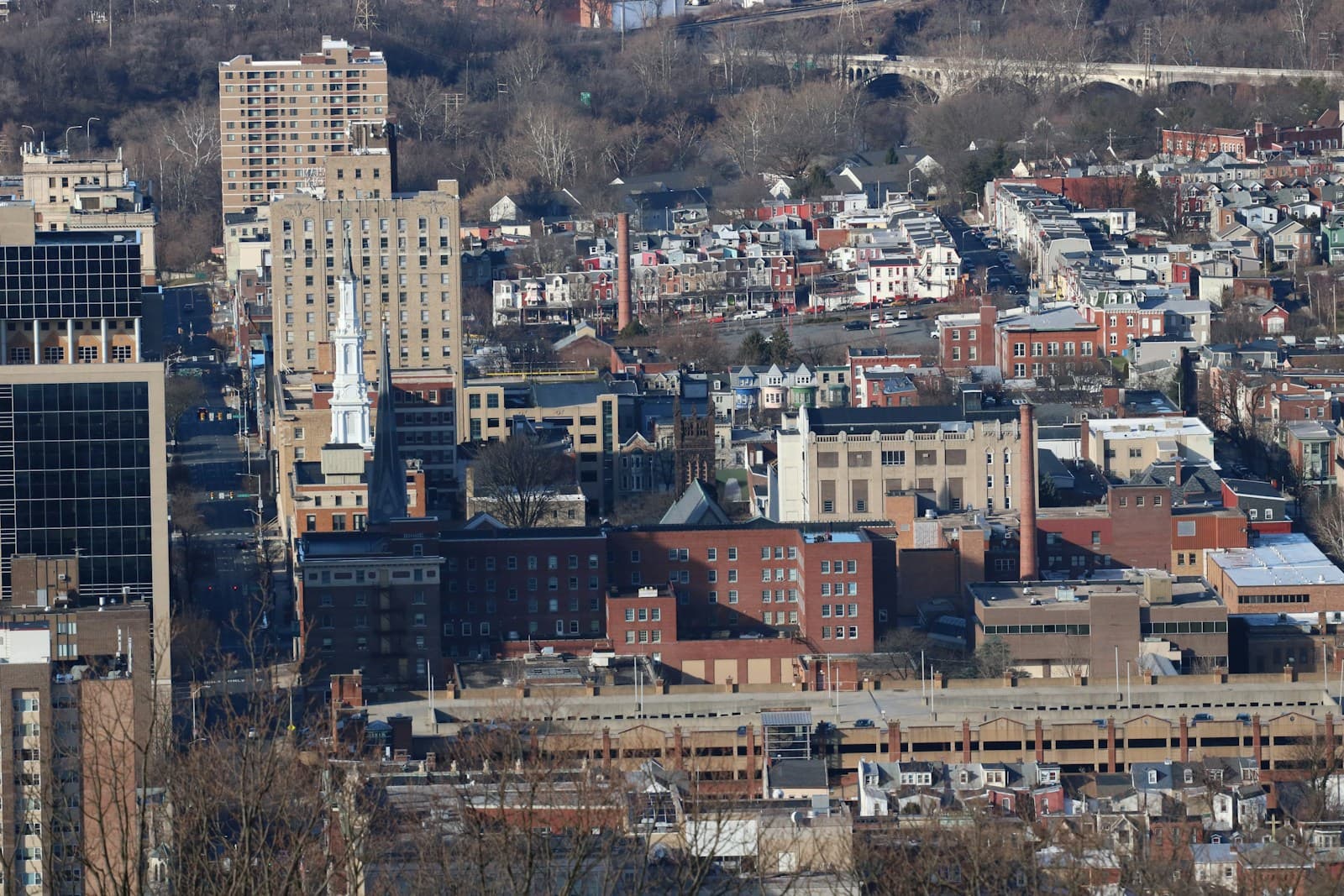
- Route 222 and Penn Street Corridor Congestion: Reading's primary arterials — Route 222 through downtown and Penn Street — experience daily congestion that increases accident frequency for drivers with prior violations. Post-SR22 drivers in zip codes near these corridors (19601, 19602) often see 8–12% higher premiums than those in outer Reading neighborhoods.
- Berks County Uninsured Driver Concentration: Approximately 12% of Berks County drivers operate uninsured, above Pennsylvania's statewide average of 9%. This elevates uninsured motorist coverage costs and makes it a critical add-on for post-SR22 drivers who can't afford another at-fault incident.
- Winter Weather and I-176 Accident Rates: Reading averages 38 inches of snow annually, with I-176 and the US-222 interchange seeing elevated accident rates November through March. Carriers factor seasonal risk into comprehensive and collision premiums for drivers with violation histories, adding $15–$30/mo during recovery phase.
- Municipal Court Processing and SR-22 Compliance Monitoring: Berks County processes DUI and suspension cases through Reading's municipal court system, which reports violations to PennDOT within 10 days. Drivers who complete SR-22 periods but fail to maintain continuous coverage face immediate re-suspension, restarting the 3-year clock and raising rates by 40–60%.
Find out exactly how long SR-22 is required in your state
Coverage Recommendations
Cost estimates are based on available industry data and vary by driver profile. These are not insurance quotes.
Liability Insurance
Pennsylvania requires 15/30/5 minimums, but post-SR22 drivers in Reading should carry at least 50/100/25 to protect against lawsuits after a second violation. The cost difference is typically $18–$25/mo, but prevents license re-suspension if you're found at fault in a Reading accident.
$95–$185/mo for 50/100/25 post-SR22Estimated range only. Not a quote.
Uninsured Motorist Coverage
With 12% of Berks County drivers uninsured, this coverage protects post-SR22 drivers from bearing costs of accidents caused by uninsured motorists. It's optional in Pennsylvania but critical in Reading — a second at-fault claim, even if the other driver fled, can restart your rate recovery timeline.
$12–$28/mo for 50/100 UM limitsEstimated range only. Not a quote.
Full Coverage
Liability plus comprehensive and collision. Post-SR22 drivers with financed vehicles in Reading pay $210–$380/mo depending on vehicle value and deductible. Carriers weight winter accident risk heavily for drivers in recovery phase, particularly November–March along I-176 and Route 222 corridors.
$210–$380/mo after SR-22 endsEstimated range only. Not a quote.
Comprehensive Coverage
Covers non-collision losses — theft, vandalism, weather damage. Reading's 38-inch average snowfall and urban vehicle theft rates in downtown zip codes make this a cost-effective add for post-SR22 drivers with vehicles worth over $8,000. Deductibles of $500–$1,000 keep premiums manageable during rate recovery.
$25–$55/mo with $500 deductibleEstimated range only. Not a quote.