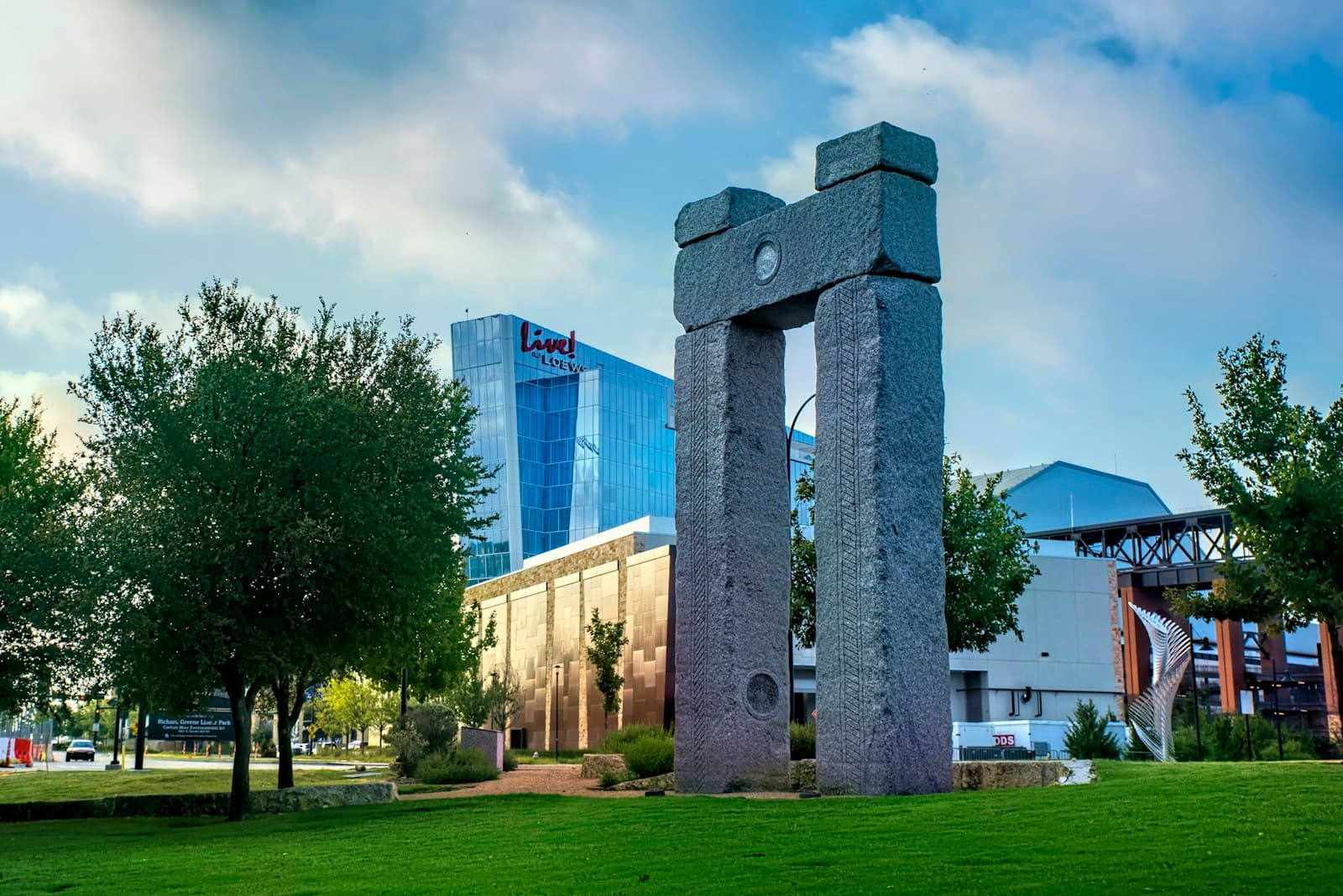
What Affects Rates in Arlington
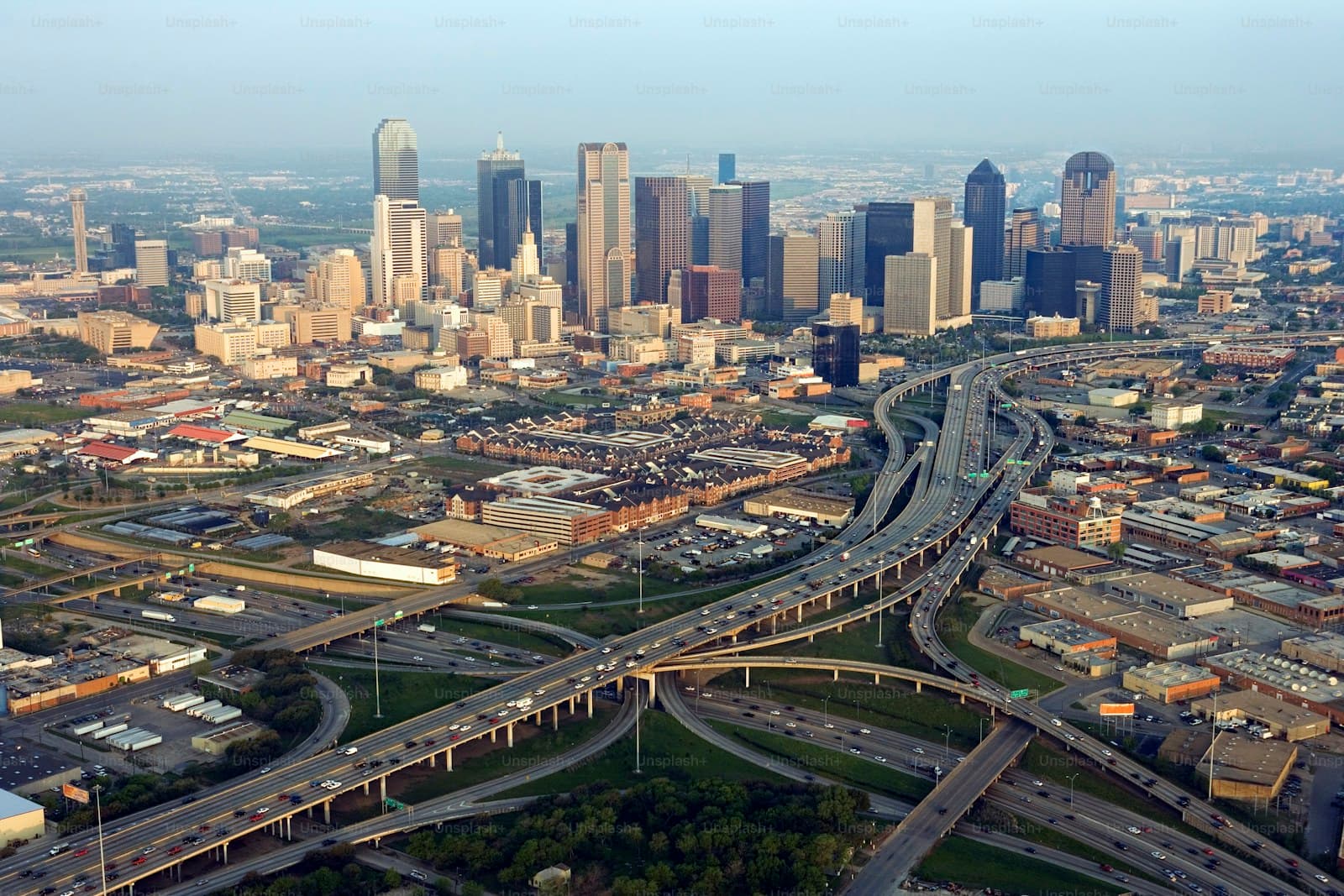
- DFW Metropolitan Traffic Volume: Arlington sits in the center of the Dallas-Fort Worth corridor with I-30, I-20, and Highway 360 converging through the city, creating elevated accident frequency that keeps post-SR22 rates higher than rural Texas markets. Carriers price high-risk policies 15–25% higher in dense metro corridors compared to outlying counties.
- AT&T Stadium and Globe Life Field Event Traffic: Major sporting venues generate concentrated traffic surges on game days and event nights, increasing accident exposure for Arlington drivers. Insurers factor event-driven congestion into base rates for ZIP codes near entertainment districts, adding $8–$15/mo to high-risk policies in 76011 and 76013.
- Tarrant County Uninsured Driver Rate: Tarrant County typically sees uninsured motorist rates near 14–16%, above the state average of 12.9%. Post-SR22 drivers face higher uninsured/underinsured motorist coverage costs in Arlington as carriers price for the elevated risk of being hit by an uninsured driver.
- Arlington Municipal Court SR-22 Processing: Arlington Municipal Court and Tarrant County courts handle DUI and suspended license cases with SR-22 filing requirements routed through the Texas Department of Public Safety. Drivers must ensure their insurer files electronically with DPS; paper filings can delay reinstatement by 7–10 days.
- Limited Public Transit Alternatives: Arlington remains the largest U.S. city without a public transit system, meaning drivers with violations have no alternative to maintaining continuous auto coverage. This lack of transit options forces post-SR22 drivers to absorb rate increases rather than temporarily going without a vehicle.
Find out exactly how long SR-22 is required in your state
Coverage Recommendations
Cost estimates are based on available industry data and vary by driver profile. These are not insurance quotes.
Liability Insurance
Texas requires 30/60/25 minimum liability, but post-SR22 drivers in Arlington should consider 100/300/100 limits given DFW metro accident costs and elevated lawsuit risk after a prior violation. Minimum coverage saves $40–$60/mo but leaves you exposed if you cause a serious crash on I-30 or Highway 360.
$85–$165/mo for 100/300/100 post-SR22Estimated range only. Not a quote.
Full Coverage
Full coverage combines liability, collision, and comprehensive — essential if you're financing a vehicle or want protection for your own car after your SR-22 ends. Post-SR22 drivers in Arlington pay $140–$280/mo for full coverage depending on violation type and time since filing ended.
$140–$280/mo post-SR22Estimated range only. Not a quote.
Uninsured Motorist Coverage
With Tarrant County's uninsured driver rate near 14–16%, uninsured/underinsured motorist coverage is critical for post-SR22 drivers who can't afford a second at-fault incident. Adding UM/UIM coverage costs $15–$30/mo but protects you if hit by an uninsured driver on congested Arlington roads.
$15–$30/mo additionalEstimated range only. Not a quote.
Comprehensive Coverage
Comprehensive covers non-collision losses like hail damage, theft, and vandalism — relevant in Arlington given North Texas spring hail storms and vehicle theft rates near entertainment districts. Post-SR22 drivers pay $30–$70/mo for comprehensive depending on vehicle value and deductible.
$30–$70/mo post-SR22Estimated range only. Not a quote.