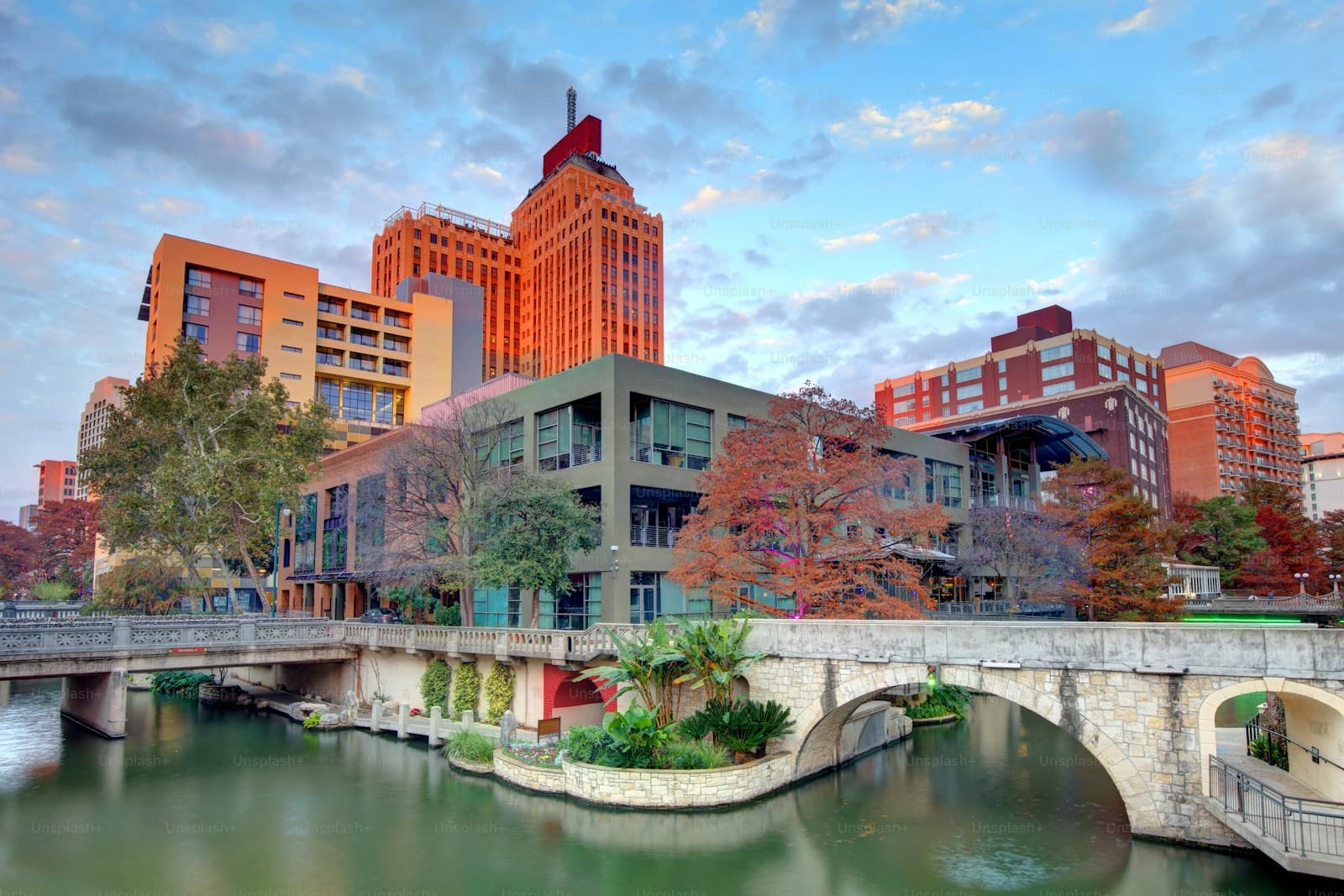
What Affects Rates in San Antonio
- I-35 and I-10 Corridor Density: San Antonio's I-35 and I-10 interchange sees high traffic density and elevated accident rates, particularly during peak commute hours. Drivers with recent at-fault accidents living or working near these corridors typically see 8–12% higher premiums than those in suburban zip codes north or northwest of the city.
- Bexar County Uninsured Driver Concentration: Approximately 14% of San Antonio drivers operate without insurance, above the Texas state average of 12%. Post-SR22 drivers who add uninsured/underinsured motorist coverage typically pay an additional $18–$35/month, but this protects against significant out-of-pocket costs in no-coverage collisions common on Loop 410 and Loop 1604.
- Downtown and Medical Center Theft Rates: Vehicle theft rates in downtown San Antonio and near the South Texas Medical Center are elevated compared to suburban areas like Stone Oak or Alamo Ranch. Comprehensive coverage for post-SR22 drivers with vehicles garaged in these zip codes typically runs $50–$80/month higher than the same profile in outer Bexar County.
- Hail and Storm Damage Frequency: San Antonio experiences hail storms during spring months, with significant events recorded in 2021 and 2022 causing widespread vehicle damage. Post-SR22 drivers carrying comprehensive coverage pay more in hail-prone zip codes, but this coverage is essential — windshield and body damage claims average $2,800–$4,200 per incident in the metro area.
- Post-SR22 Rate Recovery Timeline: In San Antonio, carriers typically reduce premiums 15–25% at the 6-month post-SR22 mark if no new violations occur, with further drops at 12 months and 24 months. DUI-related filings show the slowest recovery, often requiring 3–5 years to return to standard rates, while lapse-only drivers can reach near-standard pricing within 18–24 months.
Find out exactly how long SR-22 is required in your state
Coverage Recommendations
Cost estimates are based on available industry data and vary by driver profile. These are not insurance quotes.
Liability Insurance
Texas requires 30/60/25 minimum liability limits, but post-SR22 drivers in San Antonio should strongly consider 100/300/100 due to the city's high uninsured driver rate and dense traffic on I-35 and I-10. The difference between state minimum and 100/300/100 typically costs an additional $25–$45/month for post-SR22 profiles.
$85–$160/mo for 100/300/100Estimated range only. Not a quote.
Full Coverage
Full coverage (liability + collision + comprehensive) for post-SR22 drivers in San Antonio typically runs $140–$280/month during the first year after filing ends. Drivers with financed vehicles or those in high-theft zip codes (downtown, near Medical Center) should expect the higher end of this range.
$140–$280/mo first year post-SR22Estimated range only. Not a quote.
Uninsured Motorist Coverage
With approximately 14% of San Antonio drivers uninsured, uninsured/underinsured motorist coverage is critical for post-SR22 drivers who can't afford another at-fault incident. This coverage typically adds $18–$35/month to your premium but covers medical bills and vehicle damage when hit by a no-coverage driver on Loop 410 or other high-traffic areas.
$18–$35/mo additionalEstimated range only. Not a quote.
Comprehensive Coverage
Comprehensive coverage protects against theft, vandalism, hail, and weather damage — all elevated risks in San Antonio. Post-SR22 drivers with vehicles in downtown or Medical Center zip codes pay $50–$95/month for comprehensive, while those in suburban areas like Stone Oak or Helotes see $35–$65/month. Spring hail season makes this essential for vehicles parked outdoors.
$35–$95/mo based on zip codeEstimated range only. Not a quote.