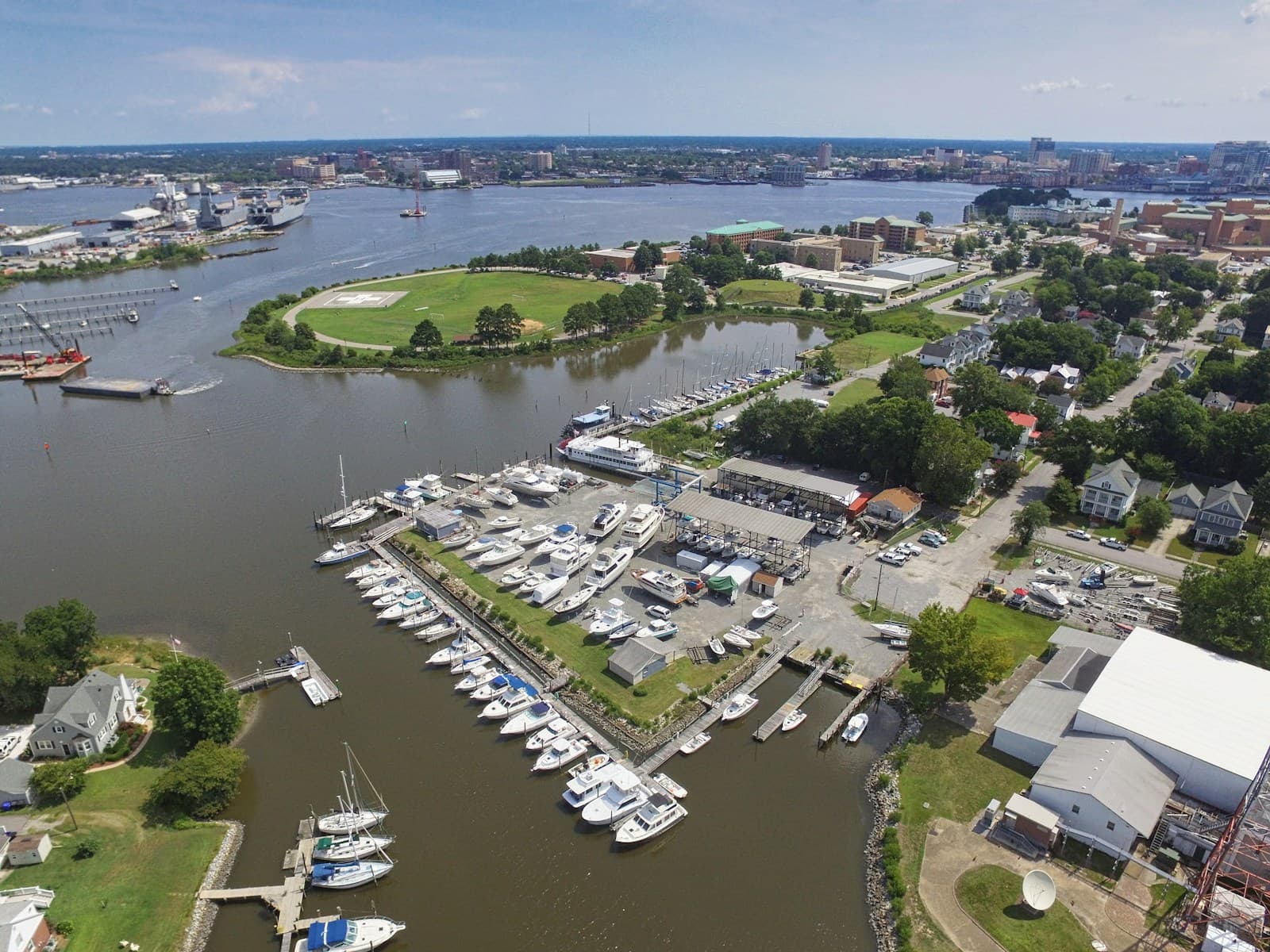
What Affects Rates in Portsmouth
- Hampton Roads Regional Traffic Density: Portsmouth sits at the intersection of I-264, I-464, and US-58, with heavy military and shipyard commuter traffic increasing accident frequency. High-risk drivers in congested corridor zones near the Downtown and Midtown tunnels typically see 12–18% higher collision premiums than rural Virginia drivers with identical records.
- Elevated Uninsured Motorist Rates: Hampton Roads consistently reports uninsured driver rates above the Virginia average, concentrated in urban Portsmouth ZIP codes. Carriers price uninsured motorist coverage 15–25% higher here for high-risk drivers, and skipping this coverage leaves you exposed in a region where 1 in 8 drivers may lack insurance.
- Virginia Contributory Negligence Rule: Virginia's strict contributory negligence law means if you're found even 1% at fault in an accident, you cannot recover damages. For post-SR22 drivers, this makes higher liability limits critical—one more at-fault incident can trigger rate increases of 40–60% and extend your high-risk status by years.
- Military Population Impact on Carrier Mix: Portsmouth's proximity to Norfolk Naval Shipyard and other military installations means carriers like USAA and Navy Federal dominate the preferred market, but most don't write high-risk policies. Post-SR22 drivers typically work with regional carriers like Virginia Farm Bureau or non-standard carriers who specialize in Hampton Roads military-adjacent populations.
- Coastal Weather and Comprehensive Claims: Portsmouth's coastal location brings hurricane and flooding risk that increases comprehensive coverage costs by 8–15% compared to inland Virginia cities. High-risk drivers often drop comprehensive to save money, but a single storm event without coverage can result in total financial loss on a financed vehicle.
Find out exactly how long SR-22 is required in your state
Coverage Recommendations
Cost estimates are based on available industry data and vary by driver profile. These are not insurance quotes.
Liability Insurance
Virginia requires 25/50/20 minimums, but post-SR22 drivers in Portsmouth should carry at least 100/300/100 given the contributory negligence rule and high uninsured driver rates. One more at-fault accident with minimum limits can leave you personally liable for damages exceeding your coverage, and carriers view higher limits as a risk-reduction signal that can lower your overall rate by 5–10% within 6–12 months.
$90–$180/mo for 100/300/100Estimated range only. Not a quote.
Uninsured Motorist Coverage
With Hampton Roads uninsured driver rates consistently above state averages, UM coverage is critical for post-SR22 drivers who can't afford another setback. In Portsmouth, this coverage typically adds $25–$50/mo but protects you from out-of-pocket costs if an uninsured driver causes your next accident—an event that won't raise your rate if you're not at fault.
$25–$50/mo additionalEstimated range only. Not a quote.
Full Coverage
Full coverage (liability + collision + comprehensive) for post-SR22 drivers in Portsmouth typically runs $140–$280/mo depending on violation type and time since filing ended. Drivers 12–18 months past SR-22 completion who shop among 3–4 non-standard carriers often find rates $60–$100/mo lower than their current insurer, as different carriers weight violations differently after the filing period ends.
$140–$280/mo post-SR22Estimated range only. Not a quote.
Comprehensive Coverage
Portsmouth's coastal location and hurricane exposure make comprehensive coverage 8–15% more expensive than inland Virginia, but dropping it to save $30–$40/mo leaves you unprotected against flooding, wind damage, and theft. Post-SR22 drivers with financed vehicles must carry comprehensive per lender requirements; those who own outright should weigh the $500–$1,000 deductible cost against replacement value.
$35–$70/mo with $500 deductibleEstimated range only. Not a quote.