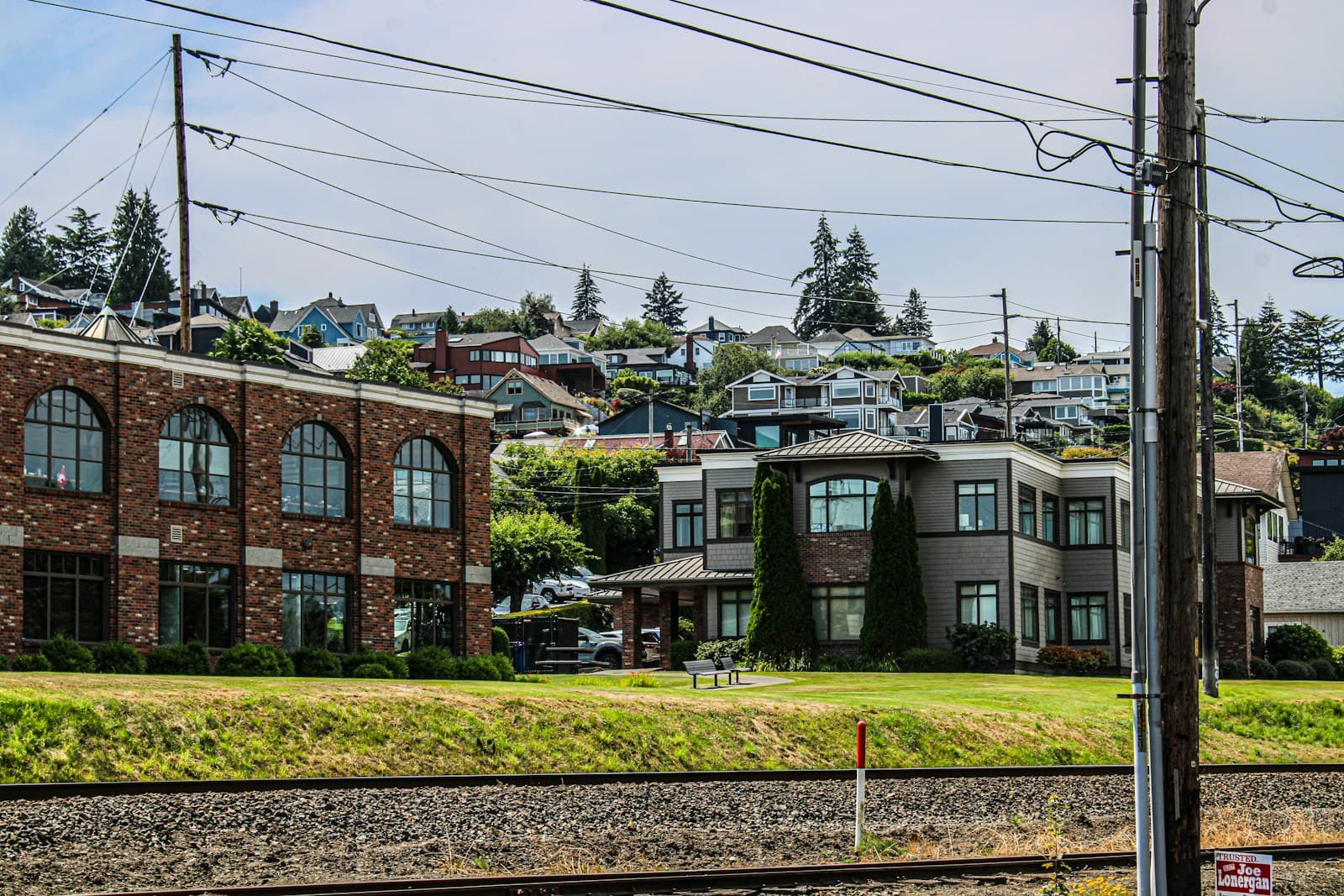
What Affects Rates in Tacoma
- I-5 and SR-16 Corridor Density: Tacoma's major freight and commuter corridors see higher accident frequency than suburban Pierce County, which keeps base rates elevated for post-SR-22 drivers by approximately 8–12%. Carriers price urban zip codes (98402, 98403, 98409) higher than outlying areas like University Place or Fircrest.
- Port Traffic and Commercial Vehicle Volume: The Port of Tacoma generates heavy truck traffic on State Routes 7, 16, and 509, increasing collision exposure for all drivers. High-risk drivers in port-adjacent zip codes typically see premiums 5–10% above Tacoma's residential neighborhoods due to this commercial density.
- Uninsured Driver Concentration: Pierce County's uninsured motorist rate runs near Washington's state average of approximately 13%, but Tacoma's urban core sees concentrations above 15% in certain zip codes. Post-SR-22 drivers benefit from carrying uninsured motorist coverage at higher limits than state minimums, as carriers often reduce collision claim costs when another party is uninsured.
- Weather-Related Claim Patterns: Tacoma's wet season from October through April contributes to hydroplaning and low-visibility incidents along I-5 and SR-16. Drivers with recent violations may see comprehensive and collision premiums rise 6–9% due to seasonal claim frequency, particularly in hill neighborhoods like North End and Stadium District.
- Washington Department of Licensing Monitoring: Washington DOL tracks your SR-22 filing for the full three-year period and notifies your insurer of any lapse. Missing even one payment triggers an automatic license suspension and resets your SR-22 clock, so post-SR-22 drivers should maintain continuous coverage and confirm their carrier has removed the filing only after DOL confirms completion.
Find out exactly how long SR-22 is required in your state
Coverage Recommendations
Cost estimates are based on available industry data and vary by driver profile. These are not insurance quotes.
Liability Insurance
Washington minimums are 25/50/10, but post-SR-22 drivers in Tacoma should carry at least 100/300/100 to protect against at-fault claims in the I-5 corridor where multi-vehicle pileups are common. Increasing liability limits costs $15–$30/mo more but shields you from lawsuits that could extend your financial recovery well beyond your SR-22 period.
$80–$160/mo for 100/300/100 post-SR-22Estimated range only. Not a quote.
Uninsured Motorist Coverage
With Tacoma's urban core seeing uninsured rates above 15% in certain zip codes, UM coverage protects you when an at-fault driver has no insurance — a scenario that would otherwise leave you paying collision deductibles and medical bills. Post-SR-22 drivers often qualify for UM at only $10–$20/mo above state minimums, making it one of the best value-per-dollar coverages during rate recovery.
$10–$20/mo to match liability limitsEstimated range only. Not a quote.
Full Coverage
Full coverage (liability + collision + comprehensive) for post-SR-22 drivers in Tacoma typically runs $140–$280/mo depending on vehicle value, zip code, and time since your filing ended. Urban zip codes near the port and along SR-16 cost 8–12% more than suburban Pierce County due to accident frequency and theft rates.
$140–$280/mo typical post-SR-22 rangeEstimated range only. Not a quote.
Comprehensive Coverage
Comprehensive covers non-collision losses like theft, vandalism, and weather damage — all relevant in Tacoma's wet climate and urban neighborhoods with higher property crime rates. Post-SR-22 drivers with financed or leased vehicles must carry comprehensive, and even those with older paid-off cars benefit from the $30–$60/mo cost to avoid out-of-pocket replacement after a break-in or storm damage.
$30–$60/mo depending on vehicle and deductibleEstimated range only. Not a quote.