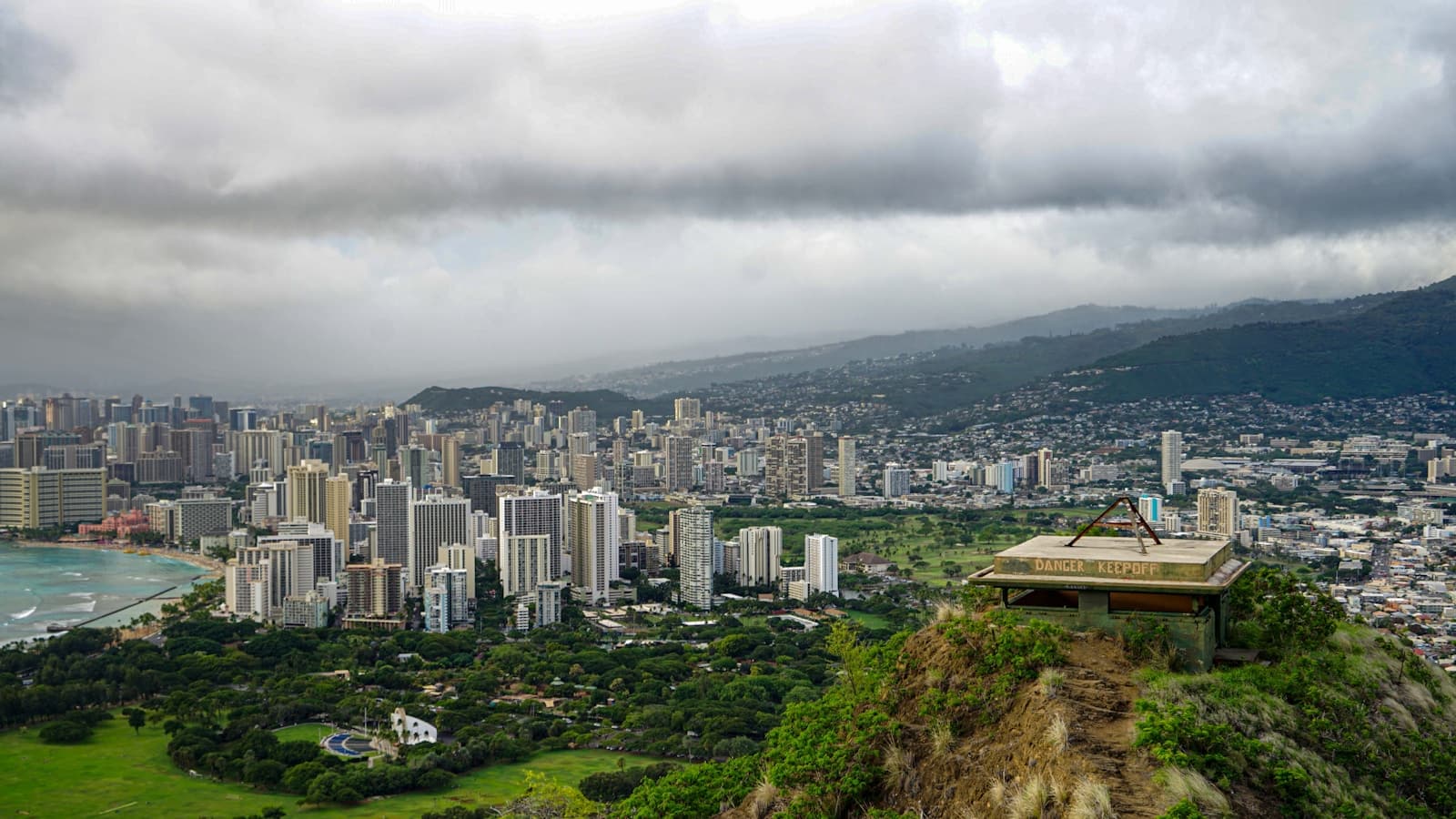
What Affects Rates in Honolulu
- Urban Traffic Density and Accident Rates: Honolulu's concentrated urban core and H-1 corridor congestion elevate accident frequency for all drivers, but high-risk drivers face amplified premiums due to insurers pricing in higher claim probability. Downtown and Waikiki zip codes typically see 15–25% higher rates than suburban areas like Mililani or Kailua for post-SR-22 drivers.
- Limited Carrier Competition: Hawaii's insurance market features fewer carriers than mainland states, reducing competition for high-risk business. Most drivers with recent violations are placed with non-standard or specialty insurers; shopping among the 3–5 carriers actively writing high-risk policies in Honolulu is critical to avoid overpaying by $50–$100/mo.
- Elevated Uninsured Motorist Rates: Hawaii's uninsured driver rate sits above the national average, which raises uninsured/underinsured motorist coverage costs. For high-risk drivers already facing elevated liability premiums, adding UM/UIM coverage in Honolulu typically adds $25–$50/mo, but is essential given collision exposure on crowded roads.
- No-Fault PIP Requirement: Hawaii mandates Personal Injury Protection (PIP) coverage, which adds $40–$80/mo to all policies but disproportionately impacts high-risk drivers whose base rates are already inflated. DUI drivers in Honolulu often see combined liability + PIP premiums exceed $200/mo even at state minimums.
- Weather and Theft Risk in Urban Core: While Honolulu avoids snow and ice, heavy rainfall, flash flooding, and vehicle theft in tourist-heavy areas like Waikiki increase comprehensive claims. High-risk drivers opting for full coverage in downtown Honolulu can expect comprehensive premiums 20–30% higher than suburban neighborhoods.
Find out exactly how long SR-22 is required in your state
Coverage Recommendations
Cost estimates are based on available industry data and vary by driver profile. These are not insurance quotes.
Liability Insurance
Hawaii requires 20/40/10 minimums, but high-risk drivers in Honolulu should consider 100/300/50 or higher given urban accident severity and lawsuit risk. Post-SR-22 drivers at state minimums pay $120–$200/mo; upgrading to 100/300/50 adds $30–$60/mo but provides critical protection in densely populated corridors.
$120–$260/mo depending on limits and violation severityEstimated range only. Not a quote.
Uninsured Motorist Coverage
With Hawaii's above-average uninsured driver rate, UM/UIM coverage is essential for Honolulu drivers navigating high-traffic areas like the H-1, Nimitz Highway, and Kalanianaole Highway. High-risk drivers typically add $25–$50/mo for UM/UIM at 100/300 limits, but this protects against out-of-pocket losses if hit by an uninsured driver.
$25–$50/mo for 100/300 UM/UIM limitsEstimated range only. Not a quote.
Full Coverage
Liability + collision + comprehensive for financed or leased vehicles. High-risk drivers in Honolulu with recent violations pay $250–$450/mo for full coverage depending on vehicle value and driving record. Shopping multiple non-standard carriers can yield $60–$120/mo savings even in Hawaii's limited market.
$250–$450/mo for post-SR-22 drivers with financed vehiclesEstimated range only. Not a quote.
Comprehensive Coverage
Covers theft, vandalism, flooding, and storm damage. In Honolulu's urban core and tourist areas, vehicle theft and break-ins are elevated, making comprehensive coverage critical for high-risk drivers who cannot afford out-of-pocket replacement. Expect $50–$100/mo for comprehensive depending on vehicle value and deductible selection.
$50–$100/mo depending on vehicle value and zip codeEstimated range only. Not a quote.