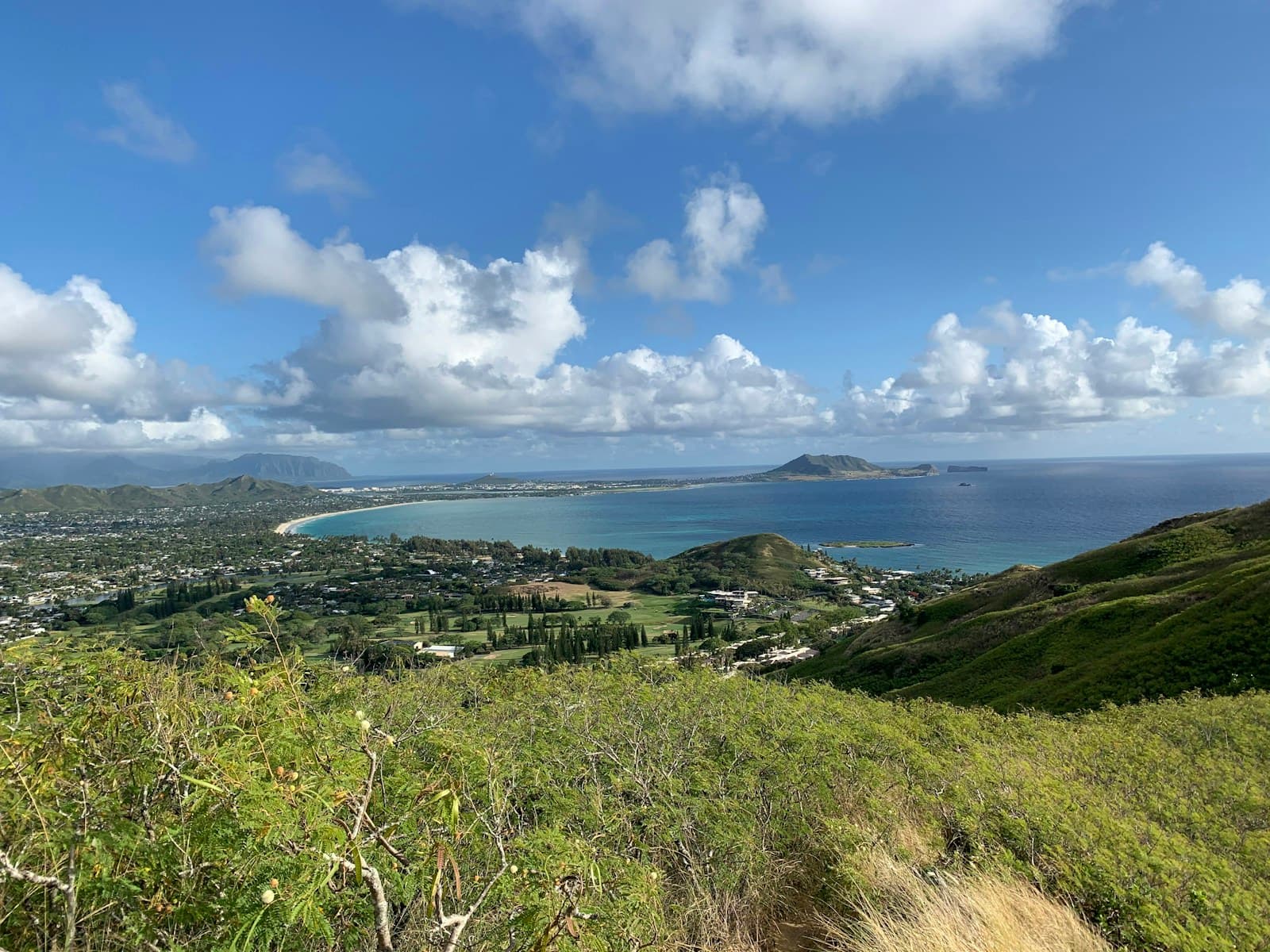
What Affects Rates in Kailua
- Tourist Traffic Volume on Kalanianaole Highway: Kailua's position as a beach destination means Highway 72 (Kalanianaole) sees heavy visitor traffic year-round, with rental drivers unfamiliar with local roads. High-risk drivers face steeper collision premiums here due to elevated accident frequency in beach access corridors, particularly near Kailua Beach Park and Lanikai turnoffs during peak hours.
- Pali Highway Commute Density: The Pali Highway (Route 61) serves as Kailua's primary connection to Honolulu, creating dense weekday commute flows through a narrow mountain pass prone to weather-related incidents. Insurers price windward Oahu ZIP codes higher for drivers with at-fault accidents due to this concentrated traffic choke point and its rain-slicked conditions.
- Limited Nonstandard Carrier Footprint: Hawaii's island geography limits the number of nonstandard and high-risk carriers operating statewide, with most concentration in Honolulu. Kailua drivers often work with mainland carriers writing Hawaii policies remotely or state-specific programs, which can narrow options and keep rates elevated for SR-22 and post-violation drivers compared to mainland markets.
- Mandatory PIP Coverage Baseline: Hawaii's no-fault system requires $10,000 personal injury protection (PIP) for all drivers, creating a higher baseline premium floor before violation surcharges apply. High-risk drivers in Kailua start from this elevated PIP base, then add DUI or lapse surcharges — compounding costs more than in tort states with lower minimum requirements.
- Windward Coastal Weather Impacts: Kailua's windward location means frequent trade wind showers and flash flooding, particularly October through March. Comprehensive coverage costs for high-risk drivers reflect these weather patterns, as prior violations combined with flood-prone parking areas near Kawainui Marsh and coastal zones elevate theft and weather-related claim probabilities.
Find out exactly how long SR-22 is required in your state
Coverage Recommendations
Cost estimates are based on available industry data and vary by driver profile. These are not insurance quotes.
Liability Insurance
Hawaii requires 20/40/10 minimum liability, but high-risk drivers in Kailua should consider 100/300/100 given the island's lawsuit environment and medical costs. Post-violation drivers typically pay $95–$180/mo for state minimums, while higher limits add $40–$80/mo but provide critical protection in serious accidents involving tourists or uninsured locals.
$95–$180/mo for minimums; $135–$260/mo for 100/300/100Estimated range only. Not a quote.
Uninsured Motorist Coverage
With Hawaii's uninsured rate near 9–11% statewide and Oahu's visitor traffic adding unlicensed or inadequately insured drivers, UM/UIM coverage is essential for Kailua drivers with violations. Costs typically add $25–$50/mo to high-risk policies but protect against gaps when hit by underinsured tourists or locals driving without valid coverage.
$25–$50/mo added to high-risk policiesEstimated range only. Not a quote.
Comprehensive Coverage
Kailua's coastal humidity, salt air, and windward weather create elevated comprehensive risks — rust, flood, and wind damage are common claims. High-risk drivers financing vehicles pay $60–$140/mo for comprehensive depending on deductible, with flood zones near Kawainui Marsh and beachfront parking areas pushing rates toward the higher end of that range.
$60–$140/mo for financed vehiclesEstimated range only. Not a quote.
SR-22 Insurance
The SR-22 itself costs $25–$50 as a one-time filing fee in Hawaii, but the underlying violation (DUI, reckless driving, lapse) raises your Kailua premium by 60–150% for the first year. Continuous coverage for three years is typically required; any lapse triggers a restart of the filing period and potential license suspension through the county driver licensing office.
$25–$50 filing fee; violation surcharge 60–150% first yearEstimated range only. Not a quote.