What Affects Rates in Eugene
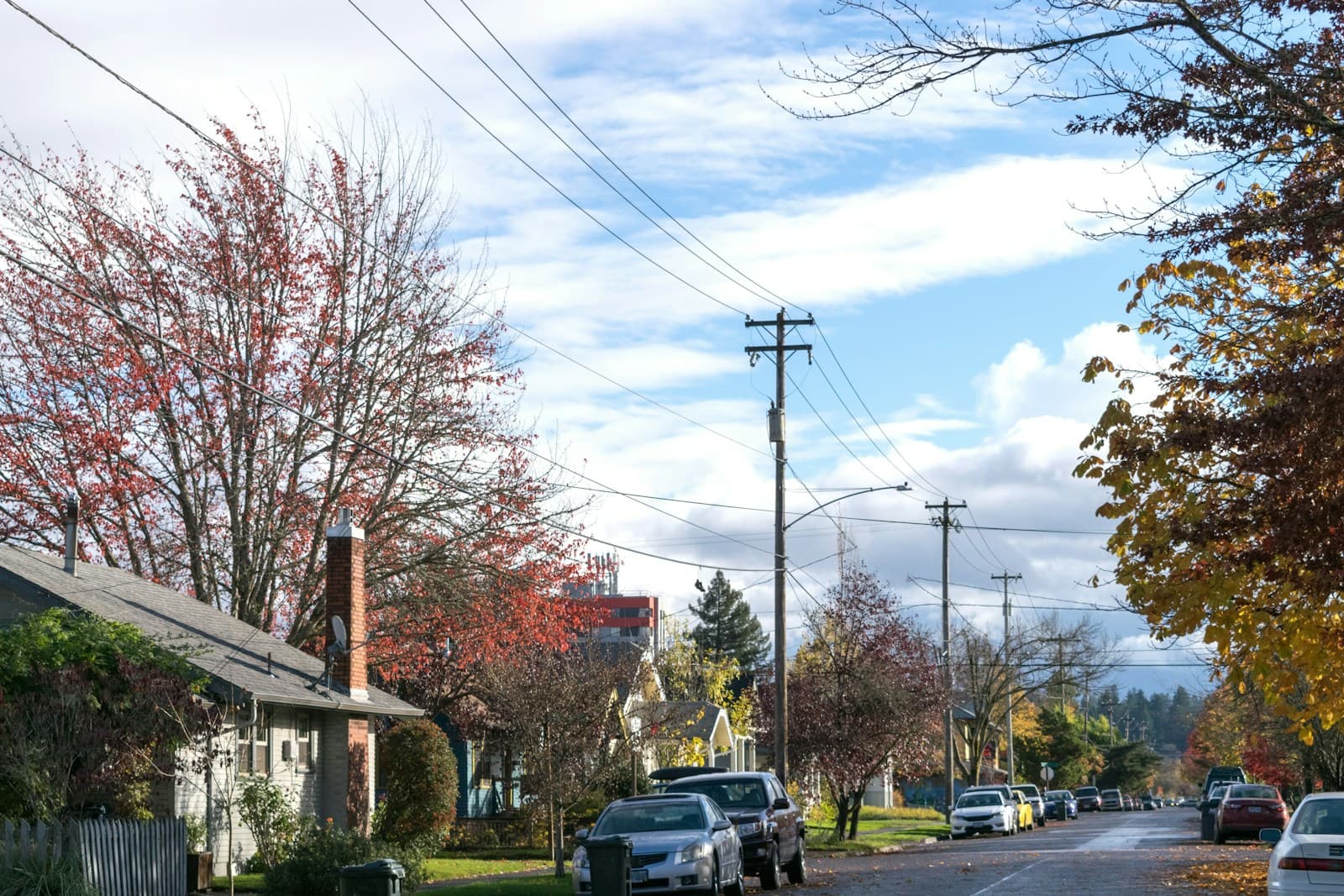
- Eugene Metro Traffic Density: Eugene's concentration of traffic along the Highway 99/I-5 corridor and downtown grid increases accident frequency for post-SR22 drivers already flagged as high-risk. Carriers apply higher collision and comprehensive premiums in zip codes near major intersections like Coburg Road/I-105 and West 11th Avenue, where claim frequency runs 15–20% above rural Lane County averages.
- Lane County Court Processing for Reinstatement: Drivers completing diversion programs or petitioning for hardship permits after a DUI work through Lane County Circuit Court, where processing times for license reinstatement average 4–6 weeks. Any gap in continuous coverage during this window resets the SR-22 filing clock, so bridging policies are critical even if you're not driving.
- Wet-Weather Claim Patterns: Eugene averages 47 inches of rain annually, concentrated October through May. Post-SR22 drivers face surcharges 10–15% higher during renewal if a second at-fault accident occurs in wet conditions, as carriers view it as compounding risk behavior rather than isolated weather impact.
- University District and High-Density Zones: Zip codes 97401 and 97403 near the University of Oregon campus see elevated theft and vandalism claims, pushing comprehensive premiums up for post-SR22 drivers by $15–$30/month compared to Southeast Eugene or Springfield. Garaging address directly affects your quote even if your violation was elsewhere.
- Oregon DMV SR-22 Monitoring: Oregon DMV electronically monitors SR-22 compliance and flags lapses within 24–48 hours of a carrier cancellation notice. Post-SR22 drivers switching carriers must ensure the new policy SR-22 is filed before canceling the old one, or face immediate suspension and a restarted 3-year filing requirement.
Find out exactly how long SR-22 is required in your state
Coverage Recommendations
Cost estimates are based on available industry data and vary by driver profile. These are not insurance quotes.
Liability Insurance
Oregon requires 25/50/20 minimums, but post-SR22 drivers in Eugene should carry 100/300/100 to protect against judgment liens if involved in a second at-fault accident. Eugene's higher incidence of multi-vehicle collisions on Highway 99 and I-5 interchange zones increases the chance of exceeding minimum limits in a serious crash.
$140–$280/mo for post-SR22 drivers first yearEstimated range only. Not a quote.
Uninsured Motorist Coverage
With roughly 13% of Oregon drivers uninsured and concentrations higher near lower-income zip codes in West Eugene and parts of Springfield, UM/UIM coverage is critical for post-SR22 drivers who can't afford another at-fault claim. Costs an additional $15–$35/month but protects you if hit by an uninsured driver while your record is still flagged.
$15–$35/mo additionalEstimated range only. Not a quote.
Full Coverage
Liability plus collision and comprehensive. For post-SR22 drivers financing a vehicle in Eugene, expect $220–$450/month depending on violation type and vehicle value. Dropping to liability-only after the loan is paid can cut your premium by 40–50%, but only makes sense if you can afford to replace the car out-of-pocket after a total loss.
$220–$450/mo post-SR22 with financed vehicleEstimated range only. Not a quote.
Comprehensive Coverage
Covers theft, vandalism, and weather damage. Post-SR22 drivers in Eugene's higher-theft zip codes (97401, 97403, 97402) pay $40–$80/month for comprehensive on a financed sedan. A $1,000 deductible instead of $500 can reduce this by $10–$15/month if you have emergency savings to cover the higher out-of-pocket.
$40–$80/mo in higher-risk zip codesEstimated range only. Not a quote.