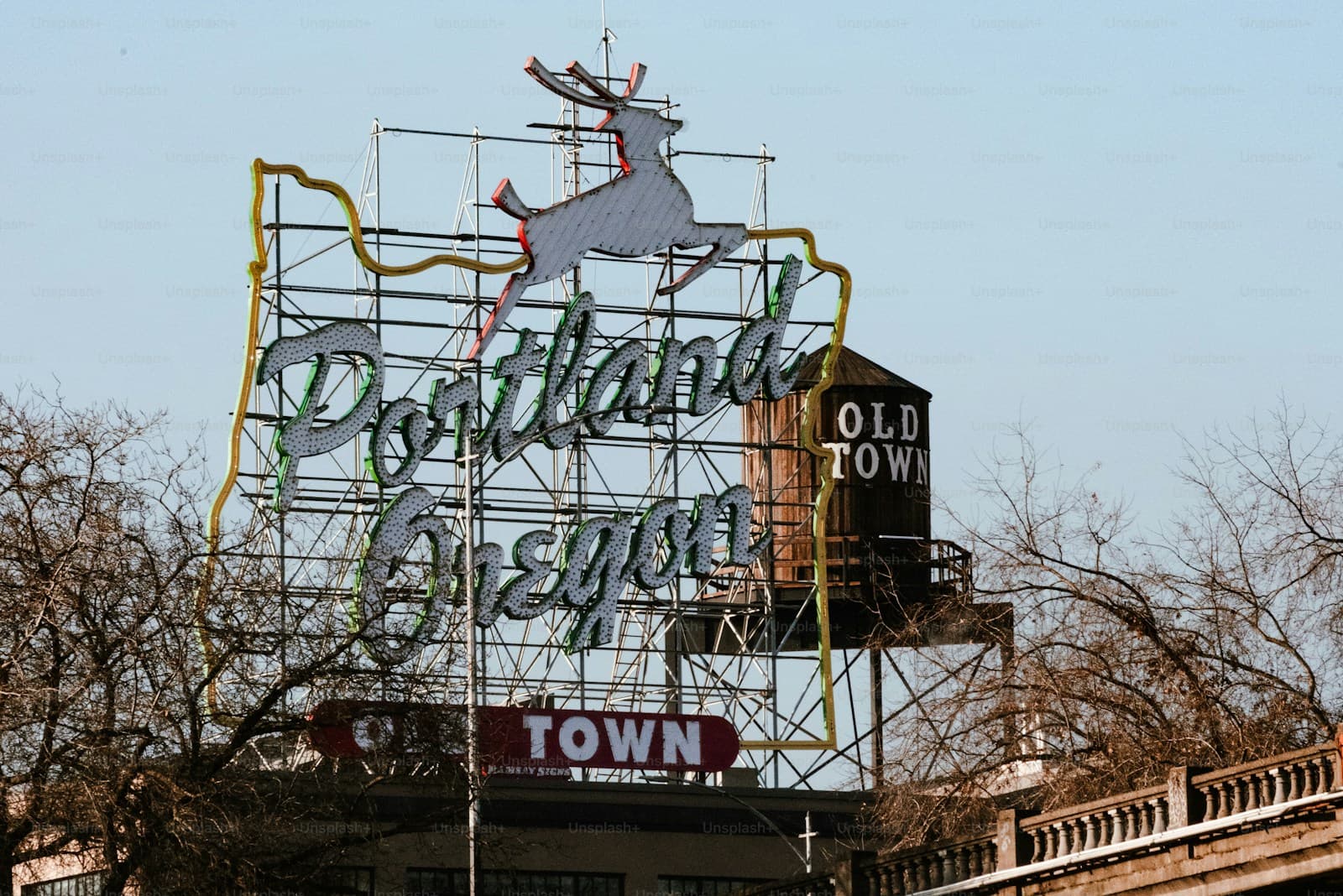
What Affects Rates in Portland
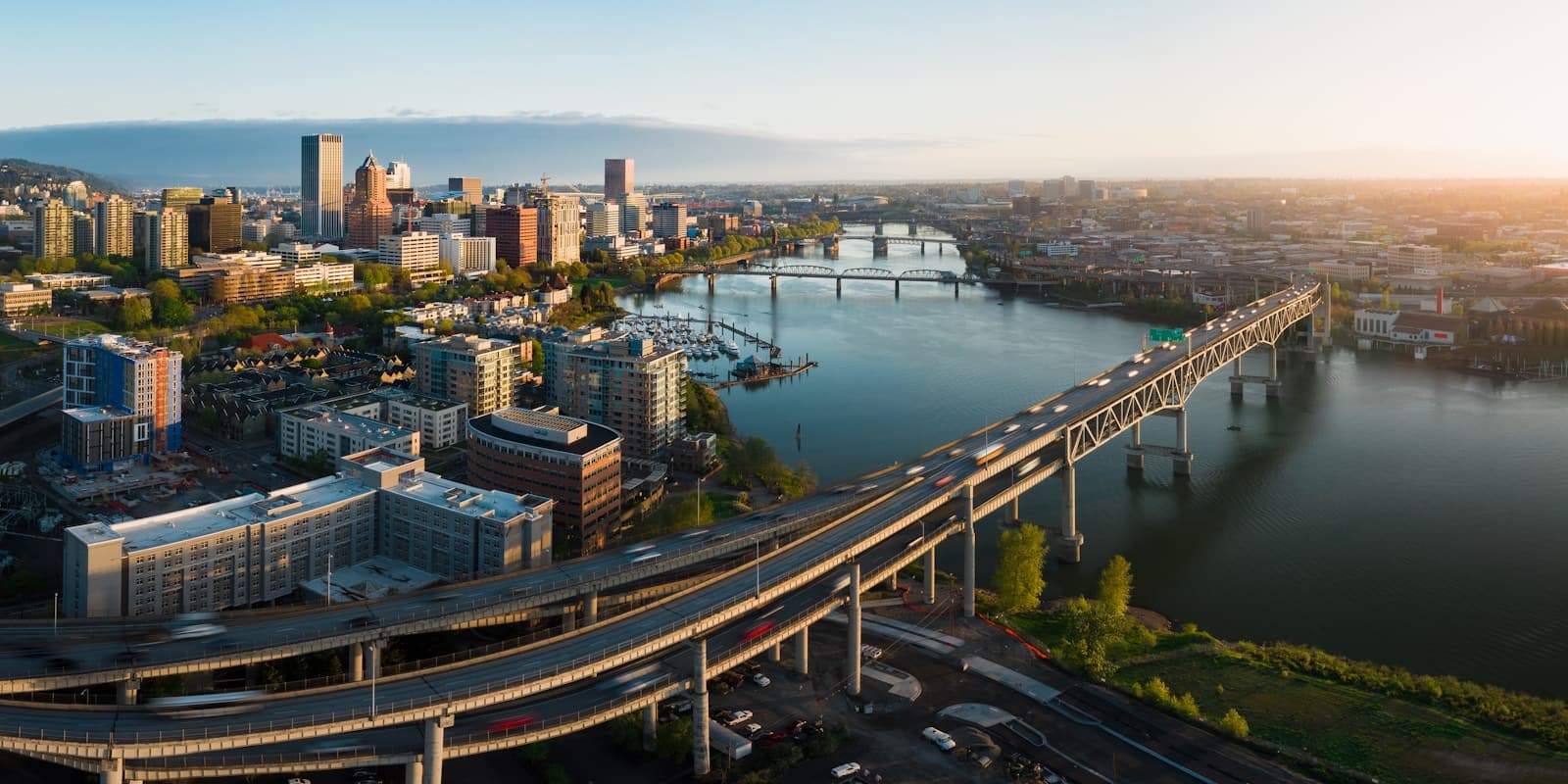
- Urban Traffic Density: Portland's concentrated downtown corridor and frequent congestion on I-5, I-84, and I-405 increase accident frequency for all drivers, but insurers apply heavier surcharges to post-SR-22 drivers in high-density zip codes. Drivers in outer neighborhoods like East Portland or Cully typically see 10–15% lower premiums than those in Pearl District or Northwest Portland.
- Uninsured Driver Rate: Oregon's uninsured motorist rate runs higher than the national average, and Portland's metro concentration amplifies collision risk. Post-SR-22 drivers are quoted higher uninsured motorist coverage premiums due to increased exposure in urban accident scenarios.
- Weather-Related Claims: Portland's extended rainy season from October through May contributes to elevated hydroplaning and visibility-related accident rates. Carriers factor year-round weather risk into comprehensive and collision pricing for drivers with recent violations, as these drivers are statistically more likely to file weather-related claims.
- Non-Standard Carrier Concentration: Portland has strong availability of non-standard and high-risk carriers including regional specialists and national high-risk writers. This competitive landscape means post-SR-22 drivers who actively shop typically find rates $40–$80/month lower than those who stay with their original carrier after filing ends.
- Court Processing and DMV Monitoring: Multnomah County courts process the majority of Portland-area DUI and suspension cases, and Oregon DMV maintains continuous electronic monitoring of SR-22 filings. A lapse triggers immediate suspension, and reinstatement requires refiling from day one — making it critical to maintain coverage without interruption even after switching carriers.
Find out exactly how long SR-22 is required in your state
Coverage Recommendations
Cost estimates are based on available industry data and vary by driver profile. These are not insurance quotes.
Liability Insurance
Oregon requires 25/50/20 minimum limits, but post-SR-22 drivers in Portland should consider 50/100/25 or higher due to the city's elevated accident frequency and exposure to uninsured drivers. Liability is the foundation of SR-22 compliance and typically represents 60–70% of your total premium in the first year after filing ends.
$120–$220/mo for state minimums post-SR22Estimated range only. Not a quote.
Uninsured Motorist Coverage
Portland's higher concentration of uninsured drivers makes this coverage especially relevant for post-SR-22 drivers who cannot afford out-of-pocket costs from a hit-and-run or uninsured collision. Carriers price this coverage 15–25% higher for drivers with recent violations due to elevated claim likelihood.
$25–$50/mo added to liability-only policyEstimated range only. Not a quote.
Full Coverage
Full coverage (liability + collision + comprehensive) for post-SR-22 drivers in Portland typically runs $280–$450/month depending on vehicle value and deductible selection. Urban theft rates and weather-related comprehensive claims keep costs elevated, but bundling coverage often unlocks multi-policy discounts that reduce total premium by 8–12%.
$280–$450/mo for post-SR22 driversEstimated range only. Not a quote.
Comprehensive Coverage
Portland's vehicle theft rate and frequent hail or storm damage during winter months make comprehensive coverage a priority for financed or leased vehicles. Post-SR-22 drivers pay 20–30% more than standard-risk drivers for the same coverage due to higher claim propensity, but selecting a $500 or $1,000 deductible can lower monthly costs by $15–$30.
$40–$80/mo added cost for post-SR22 driversEstimated range only. Not a quote.