What Affects Rates in Charleston
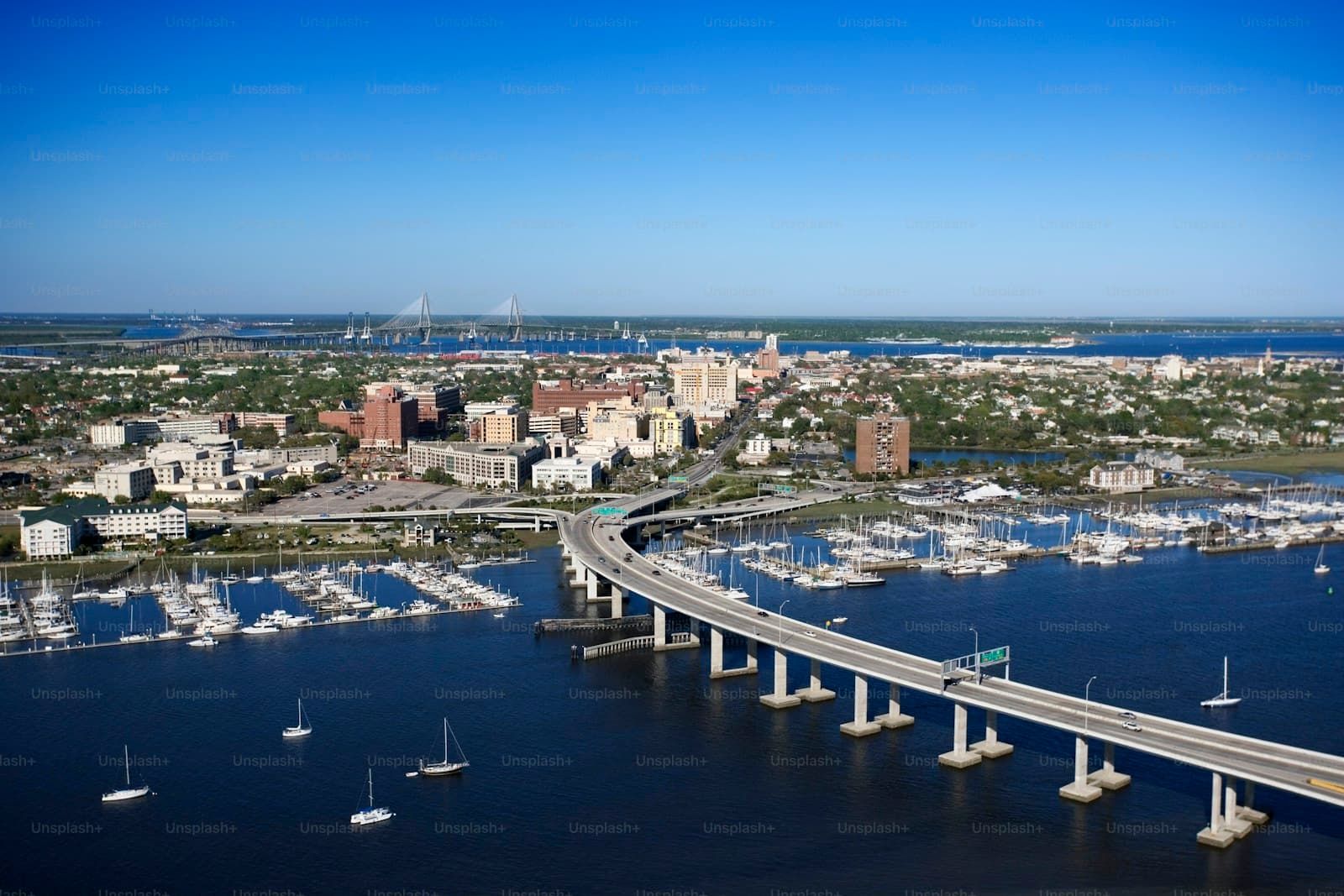
- Peninsula Traffic Density: Charleston's historic peninsula concentrates traffic onto narrow streets and limited bridge crossings, increasing accident frequency for high-risk drivers. Insurers treating peninsula ZIP codes (29401, 29403) often apply 10–18% higher premiums than West Ashley or Mount Pleasant suburbs due to claims concentration in the downtown corridor.
- Hurricane Exposure and Comprehensive Claims: Charleston sits in a high-hurricane-risk zone, which elevates comprehensive coverage costs even for high-risk drivers focused on liability-only policies. Carriers price the region's windstorm and flood exposure into base rates, adding $30–$70/month to full-coverage policies compared to inland South Carolina cities.
- Uninsured Motorist Concentration: Charleston County has an above-average uninsured driver rate compared to state benchmarks, particularly in certain ZIP codes. This increases the likelihood of uninsured/underinsured motorist claims, prompting carriers to price high-risk policies 8–15% higher than in areas with better compliance.
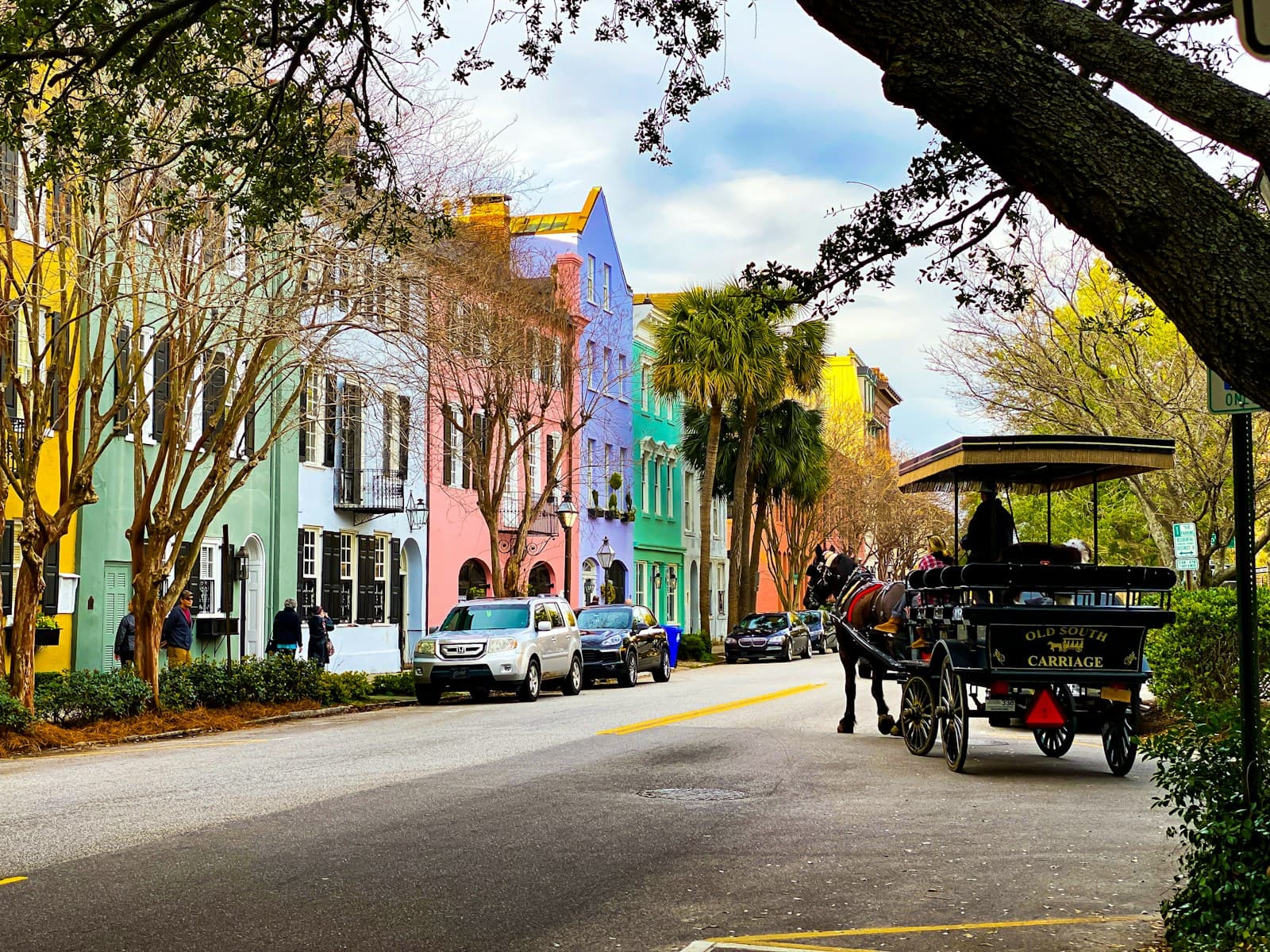
- Tourist Traffic Volatility: Spring and summer bring heavy tourist traffic to Charleston's historic district and beach corridors, creating unpredictable driving conditions and elevated collision risk. High-risk drivers with prior at-fault accidents see steeper rate increases in ZIP codes near King Street, Meeting Street, and Isle of Palms due to seasonal claims spikes.
- SC SCDMV SR-22 Monitoring: South Carolina requires the South Carolina Department of Motor Vehicles to receive continuous SR-22 certification for 36 months; any lapse triggers immediate license suspension. Charleston-area high-risk drivers must maintain uninterrupted coverage with carriers willing to file electronically with SCDMV, limiting carrier options and reducing price competition.
Find out exactly how long SR-22 is required in your state
Coverage Recommendations
Cost estimates are based on available industry data and vary by driver profile. These are not insurance quotes.
Liability Insurance
South Carolina mandates 25/50/25 minimum liability limits, but high-risk drivers in Charleston should consider 50/100/50 or higher due to the city's elevated uninsured motorist rate and tourist traffic accidents. Liability-only policies for SR-22 drivers range $180–$350/month depending on violation severity and time since incident.
$180–$350/mo for high-risk driversEstimated range only. Not a quote.
Full Coverage
Full coverage (liability + collision + comprehensive) costs Charleston high-risk drivers $280–$550/month, with comprehensive premiums elevated by hurricane and windstorm exposure. Drivers with financed vehicles in flood-prone areas like downtown peninsula or James Island face the highest full-coverage rates due to combined risk factors.
$280–$550/mo for high-risk driversEstimated range only. Not a quote.
Uninsured Motorist Coverage
Charleston's above-average uninsured driver rate makes uninsured/underinsured motorist coverage critical for high-risk drivers who can't afford another at-fault claim. This coverage adds $25–$60/month but protects against financial exposure when hit by uninsured tourists or non-compliant local drivers.
+$25–$60/moEstimated range only. Not a quote.
Comprehensive Coverage
Comprehensive coverage in Charleston is priced higher than inland South Carolina due to hurricane, hail, and flooding risk. High-risk drivers with older vehicles often drop comprehensive to lower premiums, but those in the historic peninsula or barrier islands should weigh the $80–$150/month cost against frequent storm damage claims.
$80–$150/mo addon for high-riskEstimated range only. Not a quote.