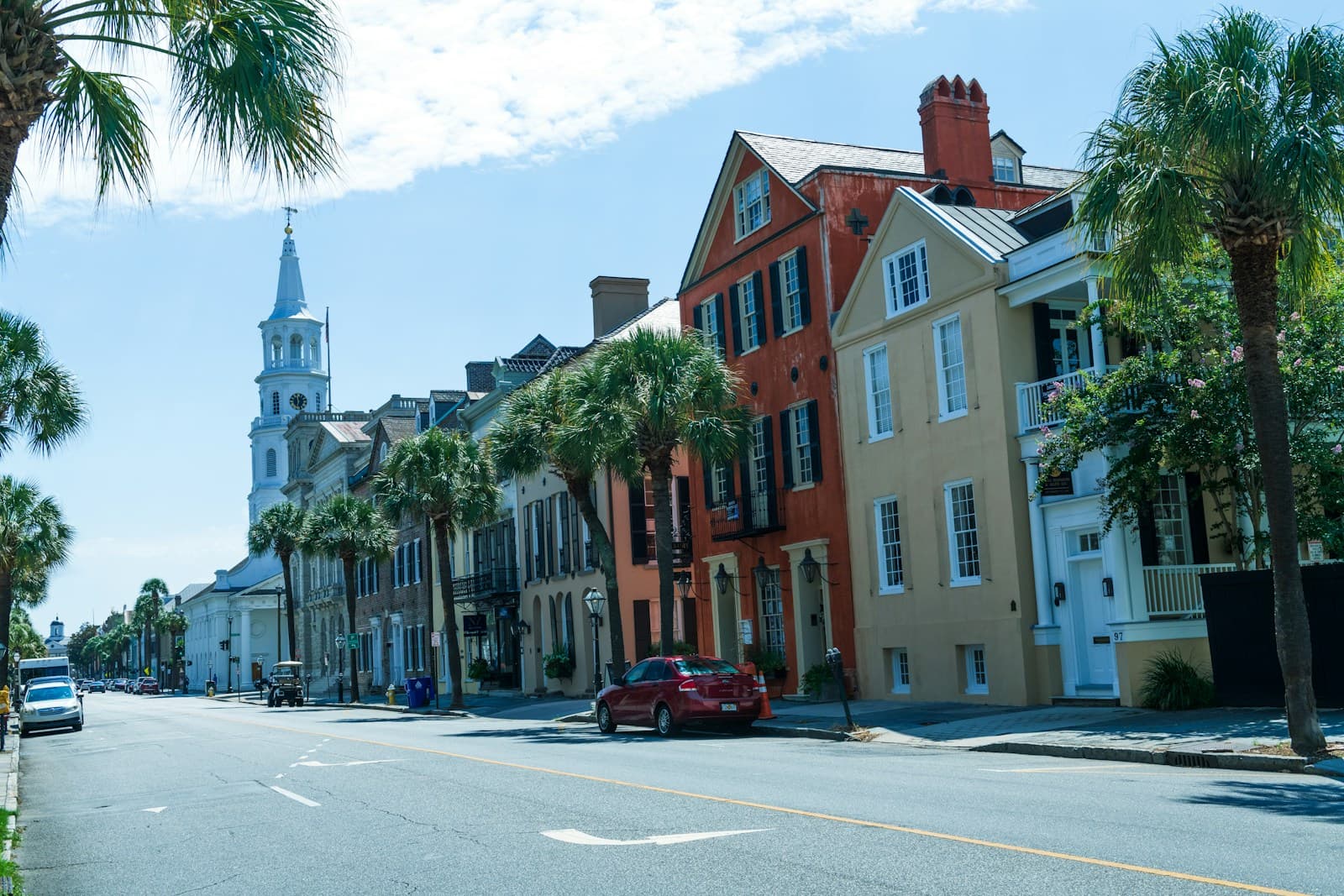
What Affects Rates in North Charleston
- I-26 and I-526 Interchange Accident Density: The I-26/I-526 corridor through North Charleston records higher-than-average accident frequency, which elevates base rates for all drivers. Post-SR22 drivers face compounding risk assessments — your violation history plus zip code accident density — often adding $30–$60/mo compared to suburban Charleston County locations.
- Charleston County Uninsured Motorist Concentration: Charleston County's uninsured motorist rate runs above the South Carolina average of approximately 11%. This increases the importance of uninsured motorist coverage for post-SR22 drivers, who insurers view as more likely to encounter uninsured drivers in accident scenarios, directly affecting liability pricing.
- Port-Related Commercial Traffic: North Charleston's proximity to the Port of Charleston means higher commercial vehicle density on local roads and highways. Insurers factor commercial traffic exposure into risk models, and post-SR22 drivers in commercial corridors typically see 8–15% higher comprehensive and collision premiums than residential-only zones.
- Hurricane Evacuation Route Designation: Major routes through North Charleston serve as hurricane evacuation corridors, leading to periodic traffic surges and associated accident risk during storm seasons. Comprehensive coverage costs for post-SR22 drivers reflect this elevated exposure, particularly for vehicles garaged near I-26 and US-52.
- DUI Enforcement Zones: North Charleston and Charleston County maintain active DUI checkpoints and saturation patrols, particularly along Rivers Avenue and Dorchester Road corridors. While this doesn't directly affect post-SR22 rates, maintaining a clean record in high-enforcement areas is critical to achieving the 2-year clean period needed for meaningful rate reductions.
Find out exactly how long SR-22 is required in your state
Coverage Recommendations
Cost estimates are based on available industry data and vary by driver profile. These are not insurance quotes.
Liability Insurance
South Carolina requires 25/50/25 minimums, but post-SR22 drivers in North Charleston should consider 100/300/100 given Charleston County's above-average uninsured motorist rate and elevated lawsuit exposure in port-adjacent commercial zones. Higher limits cost $25–$45/mo more but provide essential protection during your rate recovery period when any at-fault accident could reset your timeline.
$90–$180/mo for 100/300/100Estimated range only. Not a quote.
Uninsured Motorist Coverage
Charleston County's elevated uninsured driver concentration makes UM coverage particularly valuable for post-SR22 drivers who cannot afford another gap or claim. Matching your liability limits (100/300) typically adds $15–$30/mo and protects against the specific risk profile North Charleston presents.
$15–$30/mo for 100/300 UMEstimated range only. Not a quote.
Full Coverage
Combining liability, collision, and comprehensive in North Charleston runs $140–$280/mo for post-SR22 drivers with financed vehicles. I-26 corridor accident frequency and port-area vehicle theft rates drive comprehensive costs higher than rural South Carolina markets, but lenders require it and it protects your asset during the 2–3 year period when you're rebuilding carrier trust.
$140–$280/mo post-SR22Estimated range only. Not a quote.
Comprehensive Coverage
North Charleston's coastal proximity and hurricane exposure make comprehensive essential for post-SR22 drivers with vehicles valued above $8,000. Flood risk, wind damage, and evacuation-related incidents are priced into local comprehensive rates, typically $40–$80/mo with a $500–$1,000 deductible for drivers recently off SR-22.
$40–$80/mo with $500 deductibleEstimated range only. Not a quote.